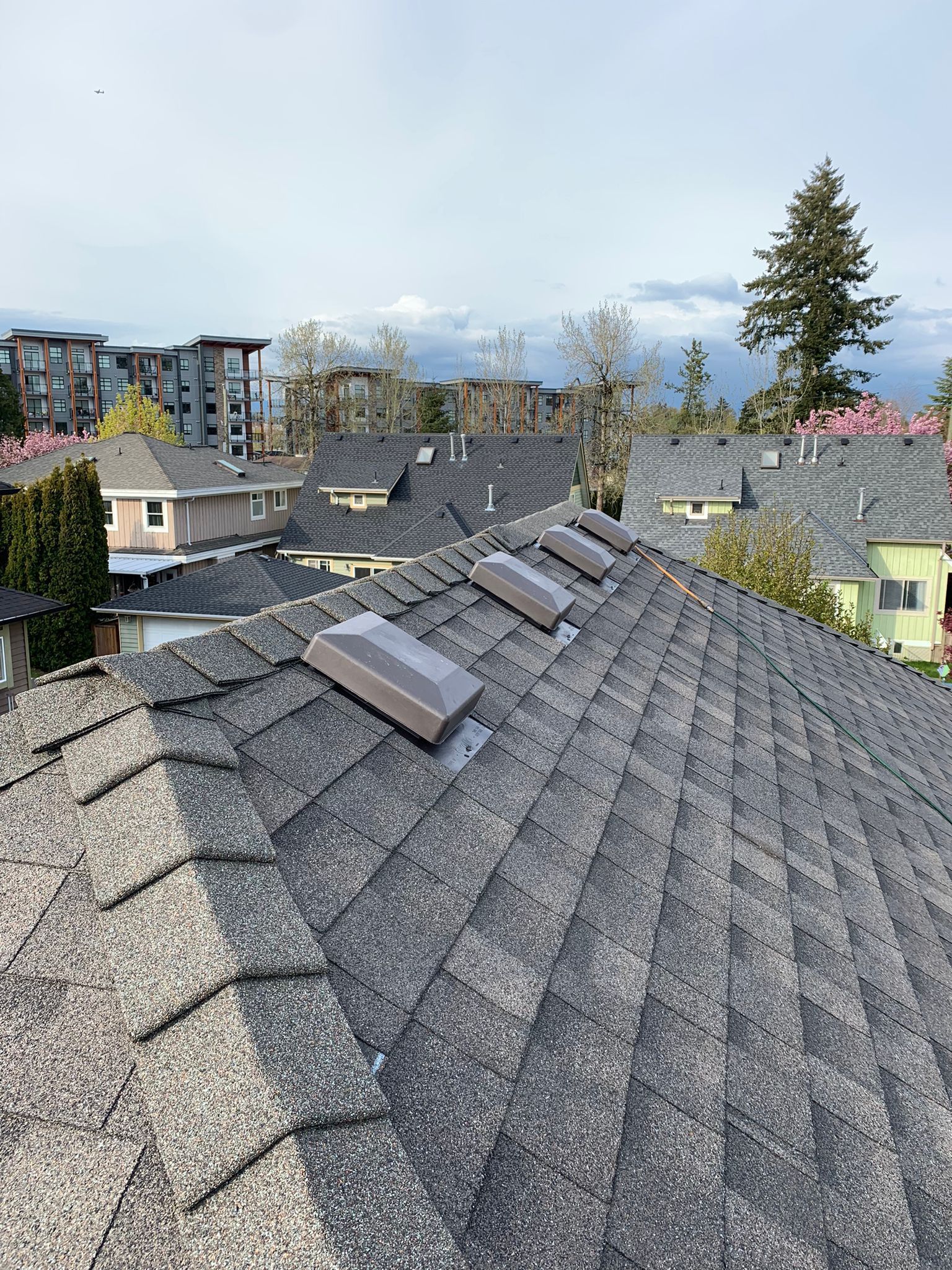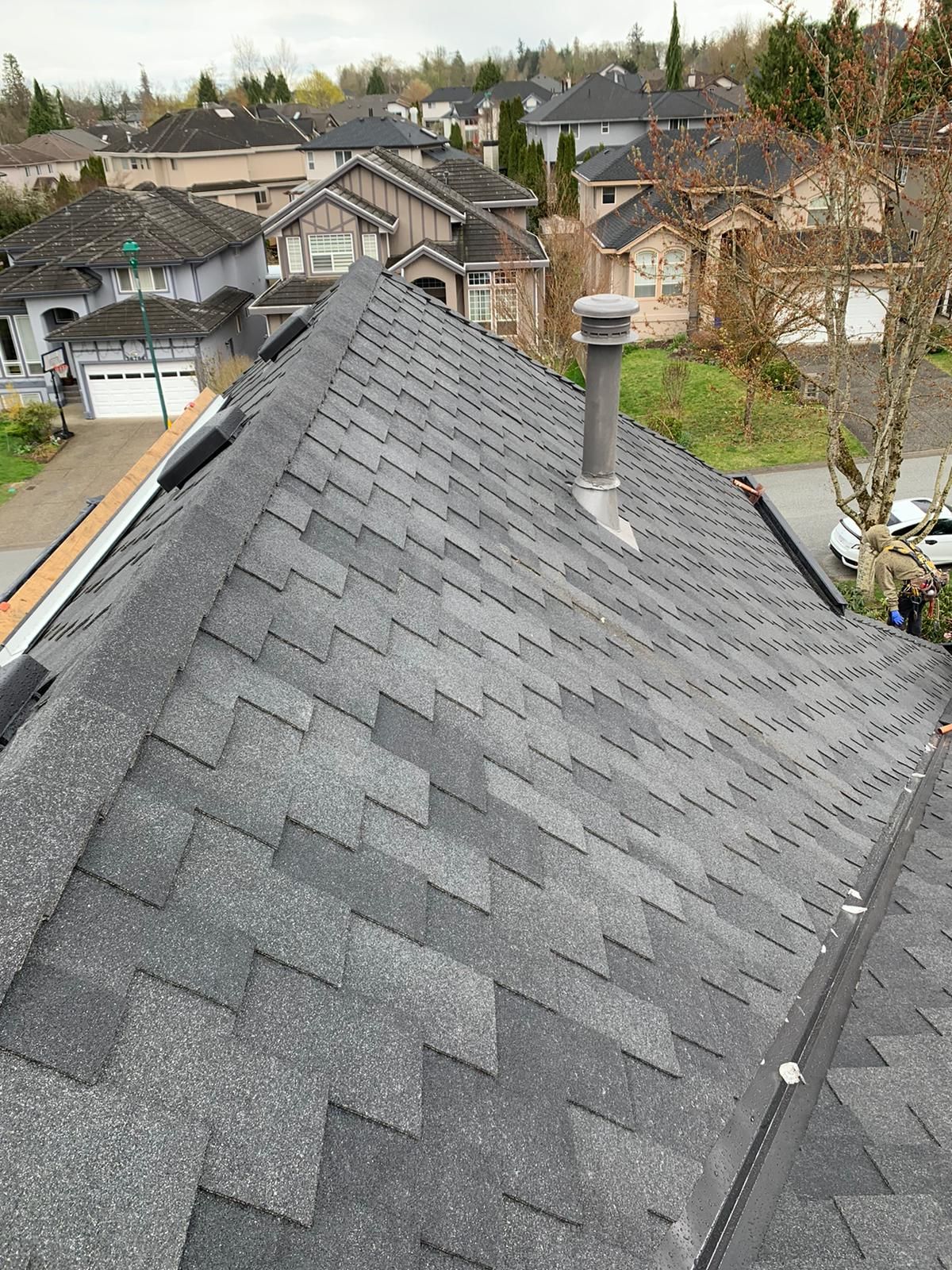
What Is Asphalt Roofing? Essentials for BC Homes
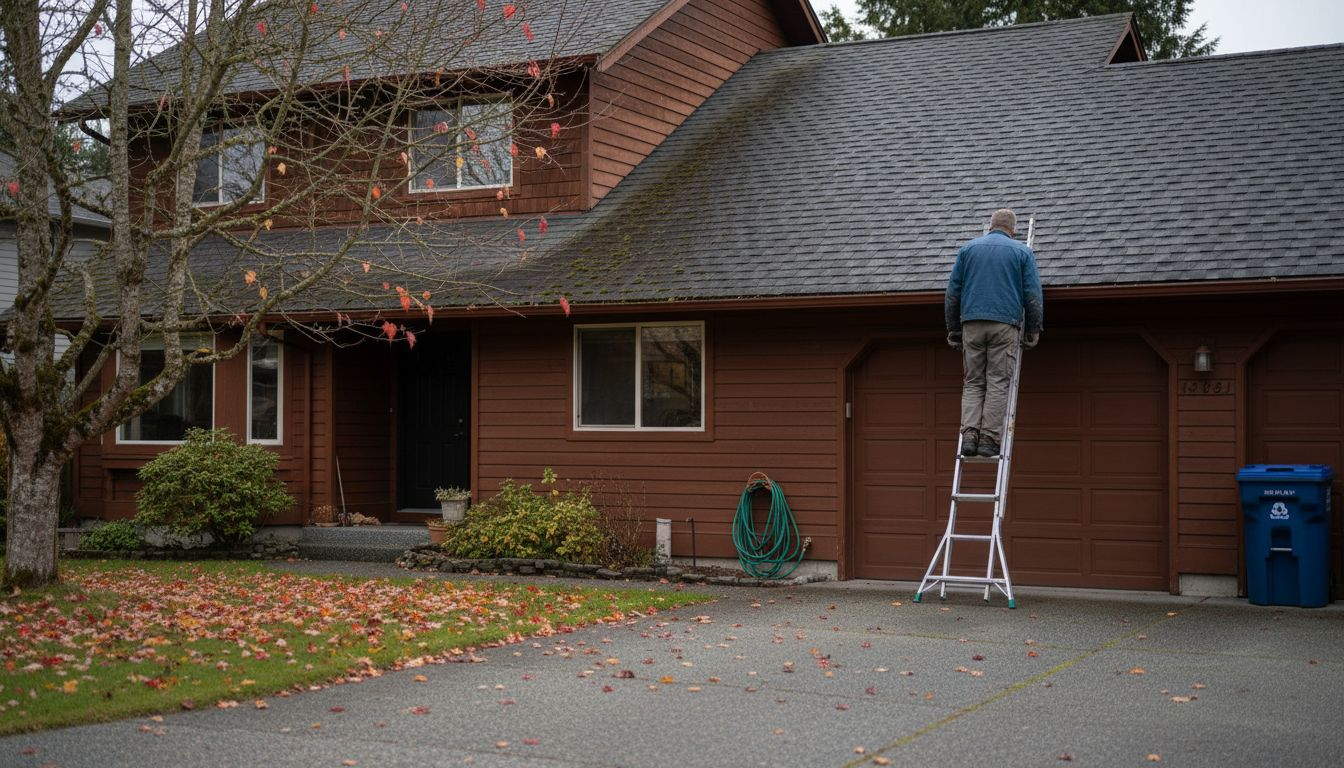
More than 65 percent of Canadian homes rely on asphalt roofing for dependable shelter and value. Choosing the right roof means sorting through a sea of opinions, features, and bold claims. For Canadian homeowners, understanding the facts about asphalt roofing and uncovering common misconceptions can save money and prevent regrets down the line. Get clear, honest guidance to help you protect your home and make smart decisions about your next roof.
Table of Contents
- Asphalt Roofing Defined And Common Misconceptions
- Types Of Asphalt Shingles Used In Canada
- Durability, Lifespan, And Performance Factors
- Cost Considerations And Maintenance Needs
- Comparing Asphalt Roofing To Other Options
Key Takeaways
| Point | Details |
|---|---|
| Durability and Performance | Asphalt roofing varies in performance based on shingle type; homeowners must consider fire ratings and wind resistance for optimal safety and longevity. |
| Shingle Types and Costs | Three-tab shingles are economical but less durable, while architectural shingles offer superior aesthetics and performance at a higher cost. |
| Environmental Adaptation | The lifespan of asphalt shingles is influenced by installation quality and local climate challenges; regular maintenance is essential for longevity. |
| Material Comparison | Asphalt shingles are affordable with easy installation, while metal and clay/concrete roofs offer durability but require a higher upfront investment and structural considerations. |
Asphalt Roofing Defined and Common Misconceptions
Asphalt roofing represents a critical roofing solution for many British Columbian homes, offering durability and cost-effectiveness. These roofing systems are composed of multiple layers, primarily featuring asphalt-saturated materials designed to protect residential structures from environmental challenges.
At its core, asphalt roofing consists of two primary shingle types : three-tab self-sealing strip shingles and architectural (laminated) shingles. Each type offers unique characteristics tailored to different roof requirements. Three-tab shingles provide a uniform, flat appearance and typically have lower upfront costs, while architectural shingles deliver enhanced dimensionality, superior wind resistance, and longer warranty periods.
Contrary to popular belief, not all asphalt shingles deliver identical performance. Fire resistance ratings vary significantly , ranging from Class A (most fire-resistant, typically fiberglass-based) to Class C (least fire-resistant, often found in organic felt-based products). Understanding these nuanced differences helps homeowners make informed roofing decisions aligned with their specific safety and environmental requirements.
Pro Tip for Homeowners: Research the specific fire rating and wind resistance of your chosen asphalt shingles before installation, as these factors dramatically impact long-term roof performance and home protection.
Types of Asphalt Shingles Used in Canada
Asphalt shingles represent a diverse roofing solution with multiple variations specifically designed to meet the unique climatic challenges of Canadian residential and commercial structures. Understanding the nuanced differences between shingle types can significantly impact roof performance, longevity, and overall home protection.
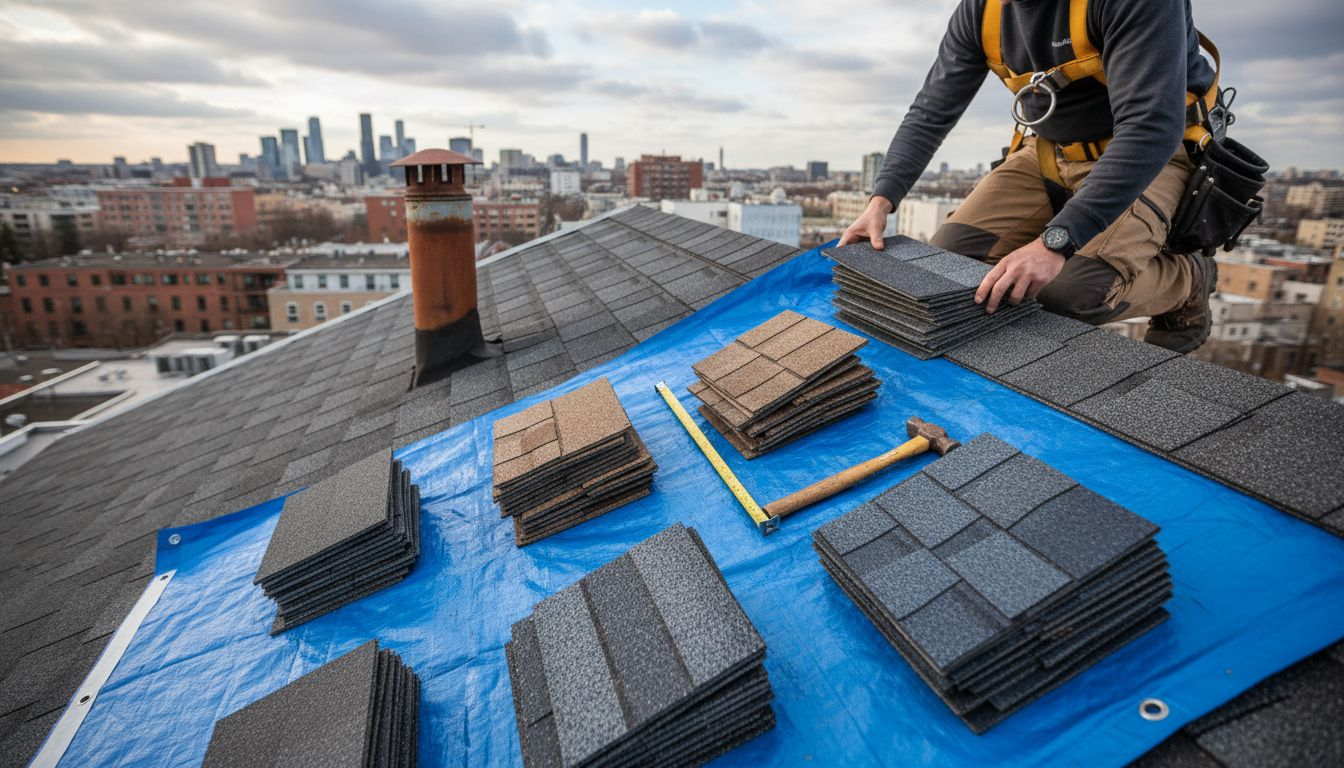
In Canada, three primary asphalt shingle categories dominate the market: three-tab shingles, laminate (architectural) shingles, and premium architectural shingles. Three-tab shingles offer a traditional, flat appearance and are typically the most economical choice, with warranties ranging from 20 to 30 years. These shingles work exceptionally well on low-sloping roofs and provide basic protection at a budget-friendly price point.
Laminate and architectural shingles represent a more sophisticated roofing solution, featuring enhanced visual depth and superior performance characteristics. Unlike standard three-tab options, these shingles incorporate multiple layers and dimensional textures that mimic high-end materials like slate or wood shakes. They are particularly recommended for roof slopes with a pitch of 4:12 or greater, offering improved wind resistance and aesthetic appeal. Some premium architectural shingles can withstand wind speeds up to 220 kilometres per hour, making them an excellent choice for regions experiencing variable weather conditions.
Pro Tip for Homeowners: Carefully evaluate your specific roof pitch, local climate conditions, and budget when selecting asphalt shingles, as the right choice can dramatically improve your roof’s durability and long-term performance.
Here is a comparison of popular asphalt shingle types used in Canada:
| Shingle Type | Typical Lifespan | Wind Resistance | Distinctive Feature |
|---|---|---|---|
| Three-tab | 20-30 years | Moderate (up to 97 km/h) | Most economical, flat appearance |
| Architectural (Laminate) | 30-50 years | High (up to 177 km/h) | Multi-layer, dimensional look |
| Premium Architectural | 40-50 years | Very High (up to 220 km/h) | Mimics slate or wood shakes |
Durability, Lifespan, and Performance Factors
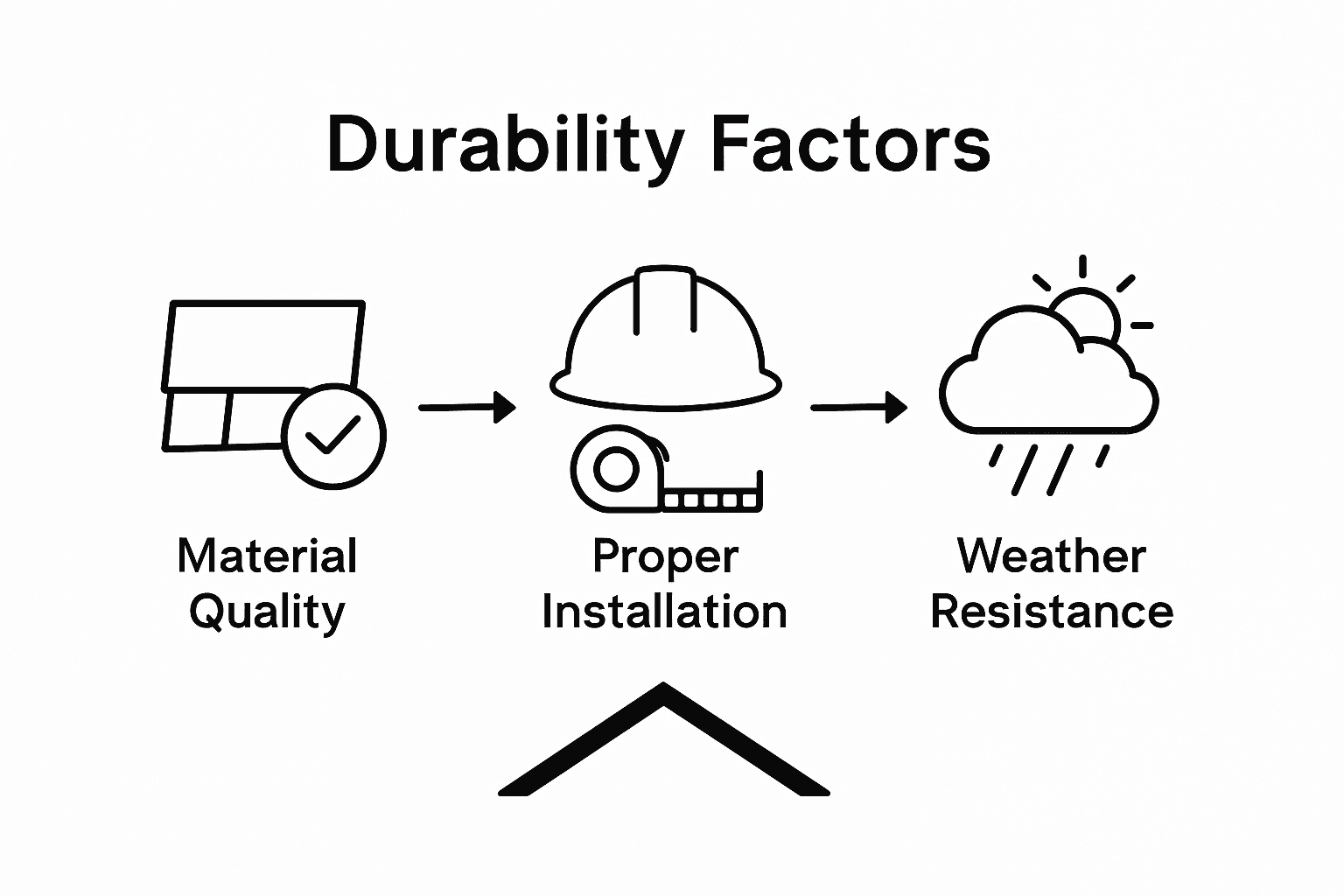
Asphalt shingle durability is a complex interplay of material science, installation precision, and environmental adaptation. Homeowners must understand the multifaceted factors that influence their roof’s long-term performance and resilience against British Columbia’s challenging climate conditions.
The fundamental durability of asphalt shingles hinges on precise installation techniques and environmental standards. Optimal installation occurs within a narrow temperature range of 4.4°C to 27°C, ensuring proper adhesion and material flexibility. Professional roofers adhere to Canadian Standards Association (CSA A123.5) guidelines, which specify critical requirements for material quality, wind resistance, and environmental performance.
Performance factors extend beyond initial installation, encompassing ongoing environmental challenges. British Columbia’s diverse climate demands shingles capable of withstanding significant temperature fluctuations, moisture exposure, and potential UV degradation. Architectural and premium shingles typically offer superior performance, featuring enhanced granule coatings that protect against ultraviolet radiation and provide additional impact resistance. Critical variables like roof pitch, local weather patterns, and maintenance frequency dramatically influence a shingle’s effective lifespan, with high-quality products potentially lasting 25 to 50 years under ideal conditions.
Pro Tip for Homeowners: Schedule professional roof inspections every three to five years to identify and address potential vulnerabilities before they escalate into costly structural damage.
Cost Considerations and Maintenance Needs
Asphalt roofing represents a strategic investment for British Columbian homeowners, balancing upfront expenses with long-term performance and durability. Understanding the comprehensive financial landscape of roof installation and maintenance is crucial for making informed decisions that protect both your property and your budget.
The initial cost of asphalt shingles varies significantly based on quality, with three-tab shingles offering the most economical option and architectural shingles representing a more substantial investment. Prices typically range from $3 to $6 per square foot, depending on material complexity and performance characteristics. Maintenance requirements play a critical role in managing long-term roofing expenses, with regular inspections helping to identify potential issues like granule loss, shingle curling, or environmental damage before they escalate into more costly repairs.
Budget-conscious homeowners should anticipate periodic maintenance costs, which can include minor repairs, cleaning, and potential partial replacements. Factors such as roof pitch, local climate conditions, and installation quality dramatically influence maintenance frequency and intensity. Premium architectural shingles, while more expensive initially, often provide better long-term value through enhanced durability, improved wind resistance, and extended warranty periods. A strategic approach involves balancing initial investment with anticipated maintenance needs, considering that high-quality installations can potentially reduce overall lifecycle costs.
Pro Tip for Budget Planning: Set aside an annual maintenance fund of approximately 1-2% of your home’s total value to ensure proactive roof care and prevent unexpected large-scale repair expenses.
Comparing Asphalt Roofing to Other Options
Roofing material selection represents a critical decision for British Columbian homeowners, with each option presenting unique advantages and limitations. Understanding the comparative landscape helps property owners make informed choices that balance performance, durability, and budget considerations.
Asphalt shingles distinguish themselves as a versatile roofing solution particularly favoured across North America for their distinctive characteristics. Compared to alternative materials like metal, clay, or concrete roofing, asphalt shingles offer remarkable affordability and ease of installation. Metal roofing, while more durable and potentially longer-lasting, requires significantly higher upfront investment and specialized installation techniques. Clay and concrete tiles provide exceptional aesthetic appeal and longevity but impose substantial structural load requirements that many existing homes cannot accommodate.
Each roofing material presents a unique performance profile tailored to specific environmental challenges. Asphalt shingles excel in moderate climates, offering reasonable fire resistance and wind performance at a fraction of the cost of premium alternatives. Metal roofing provides superior durability in harsh weather conditions, while cedar shakes deliver exceptional natural insulation but demand more intensive maintenance. Synthetic roofing materials like rubber or composite offer emerging technologies with improved sustainability, though they currently command premium pricing and have shorter proven performance histories.
This table highlights key differences between asphalt, metal, and clay/concrete roofing materials:
| Roofing Material | Upfront Cost | Installation Complexity | Suitability for BC Climates |
|---|---|---|---|
| Asphalt Shingles | Low to moderate | Easy, widely available | Well-suited to most BC regions |
| Metal Roofing | High | Requires skilled installation | Excellent for harsh weather |
| Clay/Concrete Tile | Highest | Heavy, structural reinforcement often needed | Limited by home structure |
Pro Tip for Material Selection: Prioritize a comprehensive assessment of your specific roof structure, local climate conditions, and long-term budget when comparing roofing materials, recognizing that the cheapest initial option is not always the most cost-effective solution over time.
Secure Your BC Home with Expert Asphalt Roofing Services
Understanding the nuances of asphalt roofing is crucial for protecting your home against British Columbia’s challenging climate. The article highlights key concerns such as shingle type selection, durability against wind and fire, and maintenance needs. These pain points can feel overwhelming when trying to choose the right roofing solution that balances cost, performance, and long-term protection.
At Paragon Roofing BC, we specialise in providing tailored asphalt shingle installations and repairs that address exactly these challenges. Our skilled team ensures professional installation that complies with Canadian standards and offers premium options like architectural shingles that boost your roof’s lifespan and resilience. We help you avoid costly repairs by delivering thorough maintenance and inspections designed for the specific weather conditions in Vancouver and surrounding areas.
Looking for reliable asphalt roofing solutions backed by local expertise and proven results? Visit Paragon Roofing BC to learn how we combine quality materials with expert workmanship. Don’t wait until small issues become major problems. Contact us today for a free inspection and take the first step toward a durable, safe, and beautiful roof. Explore our services and make an informed choice with our educational roofing guides and trusted customer testimonials.
Frequently Asked Questions
What are the different types of asphalt shingles?
Asphalt shingles primarily come in three categories: three-tab shingles, architectural (laminate) shingles, and premium architectural shingles. Three-tab shingles are economical and offer a flat appearance, while architectural shingles provide enhanced aesthetic appeal and performance. Premium architectural shingles mimic high-end materials like slate or wood shakes and are very durable.
How do I choose the right asphalt shingles for my roof?
When selecting asphalt shingles, consider your roof pitch, local climate conditions, and budget. Three-tab shingles are budget-friendly, while architectural shingles offer better wind resistance and aesthetics. Evaluate your specific needs to ensure long-term durability and performance.
What factors affect the durability and lifespan of asphalt shingles?
The durability of asphalt shingles is influenced by proper installation within a specific temperature range, the quality of materials used, and ongoing environmental challenges like temperature fluctuations and UV exposure. Regular maintenance and inspections can also help extend the lifespan, potentially lasting 25 to 50 years with high-quality products.
How do asphalt shingles compare to other roofing materials?
Asphalt shingles are a cost-effective option compared to materials like metal or clay tiles. They are easy to install and well-suited for various climates, offering reasonable fire resistance and wind performance. In contrast, metal roofing is more durable but requires a higher initial investment, while clay and concrete tiles offer longevity but can be structurally heavy and expensive.