Safeguard your home: the crucial role of emergency roof repairs
TL;DR:
- Emergency roof repairs are urgent responses to immediate risks like active leaks and structural damage.
- In BC, causes include storms, fallen trees, ice dams, and aging roofs, which escalate damage quickly.
- Regular maintenance and inspections can prevent most emergencies, saving costs and protecting insurance coverage.
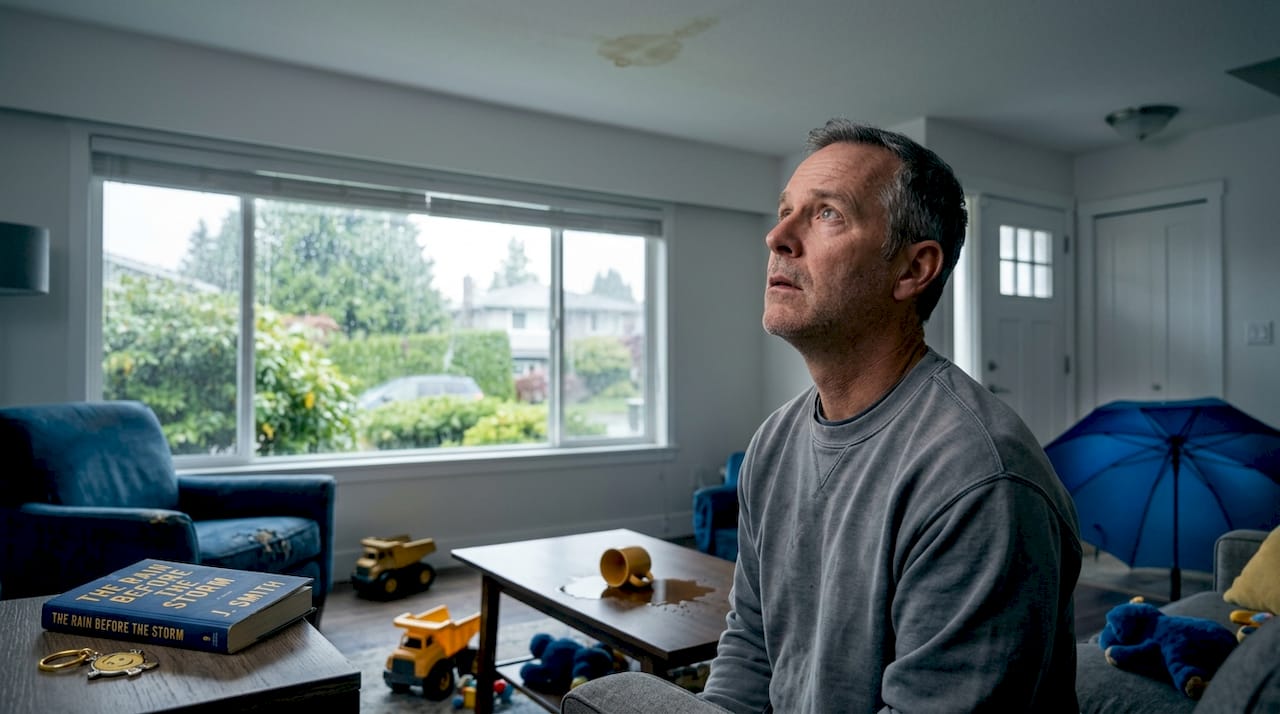
That small water stain on your ceiling might look harmless right now, but ignoring it is a bit like ignoring a small crack in your car’s windshield — it won’t stay small for long. Many BC homeowners put off roof repairs, assuming they can wait until spring or budget for it later. The truth is, a minor leak can turn into a full-on cascade of structural damage, mould growth, and insurance headaches within days. Emergency roof repairs exist precisely because some roofing problems simply cannot wait. This article breaks down what they are, why they matter, and exactly what to do when your roof decides to act up at the worst possible moment.
Table of Contents
- What is an emergency roof repair?
- Common causes of emergency roof damage in British Columbia
- The impact of emergency repairs on home value and insurance
- Steps to take during a roof emergency
- Prevention: how regular maintenance reduces emergency risks
- A roofer’s perspective: why “quick fixes” aren’t enough for BC homes
- Protect your home with expert emergency roof services
- Frequently asked questions
Key Takeaways
| Point | Details |
|---|---|
| Fast response is critical | Quick action during a roof emergency limits costly damage and preserves safety. |
| Insurance depends on prompt repair | Insurance coverage can be denied if emergency fixes are delayed or skipped. |
| Prevention saves money | Routine inspections and maintenance often prevent emergencies and costly repairs. |
| Know what to do | Having a clear emergency action plan helps safeguard your property. |
What is an emergency roof repair?
An emergency roof repair is a rapid, professional response to sudden roof damage that poses an immediate risk to your home’s structure, your family’s safety, or your belongings. This is not the same as scheduling a routine inspection or planning a shingle replacement for next season. Emergency repairs are reactive, urgent, and necessary right now.
Emergency roof repairs address immediate water damage risks and prevent hazards from escalating during storms or after sudden structural failures. Think of it as triage for your home. Just as you wouldn’t wait a week to deal with a burst pipe, you shouldn’t delay when your roof has a gaping hole or active leak threatening your living space.
Common types of roof emergencies include:
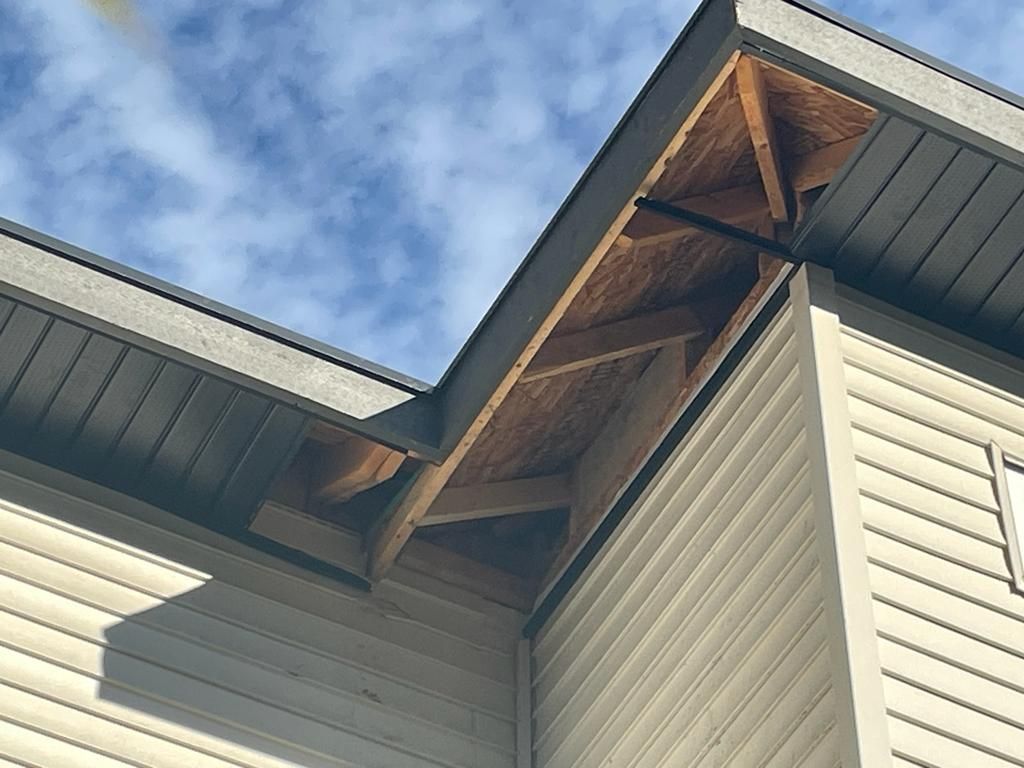
- Storm-related damage such as missing shingles, collapsed sections, or torn flashing (the metal strips that seal edges and joints)
- Tree limb or debris impact that punctures or crushes roofing materials
- Major leaks that are allowing water to enter the attic or living areas
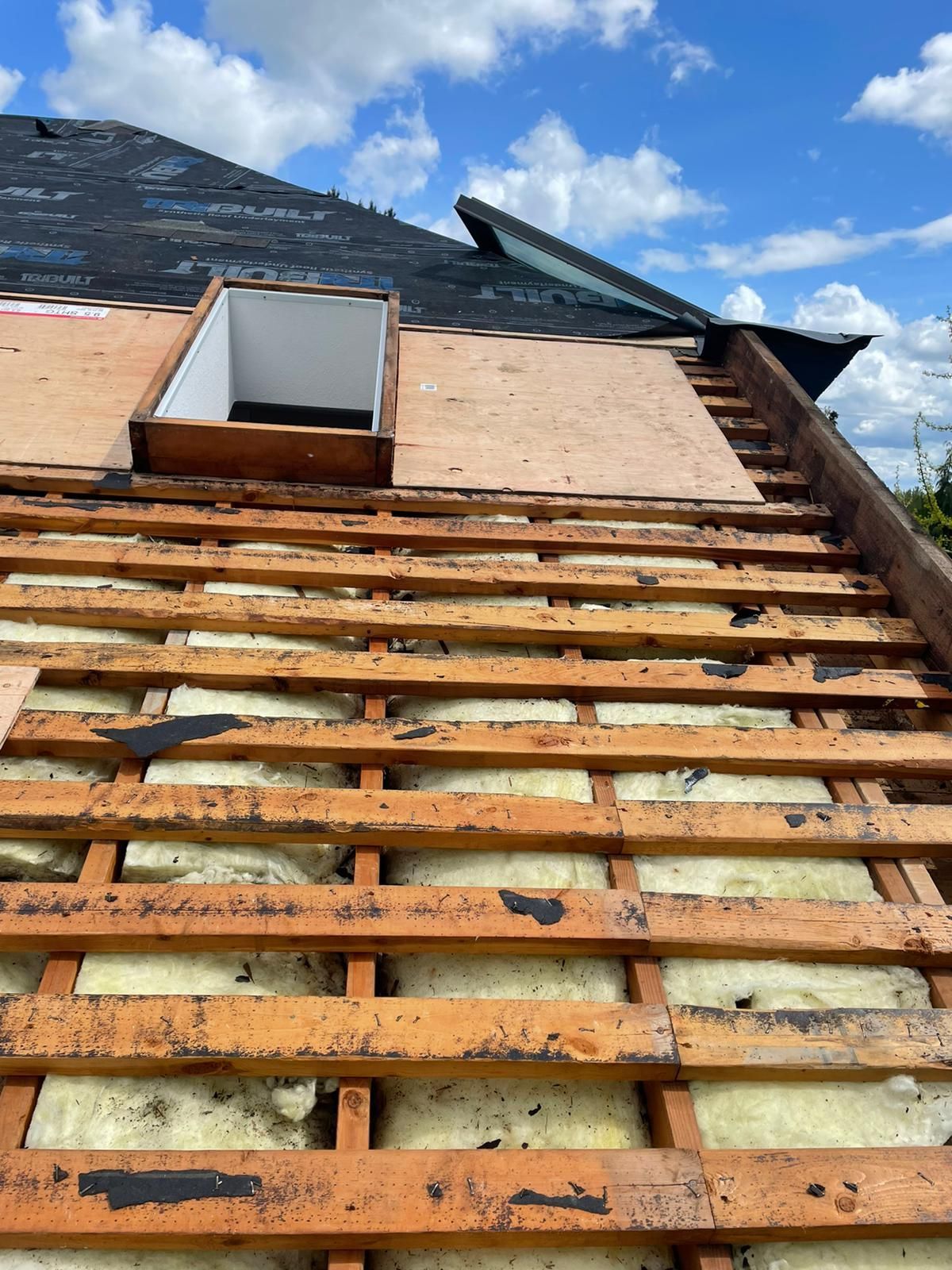
- Sudden failure of an aging roof that has gone past its service life
- Ice dam formation (when ice builds up at the eaves and forces water back under shingles) causing interior leaks
“A roof emergency is not just about inconvenience. It is about preventing your home from becoming unsafe and protecting your single largest financial investment.”
The line between an emergency and routine maintenance is straightforward. If water is actively entering your home, if there is visible structural damage, or if the problem poses a risk of injury, that is an emergency. Learning the how to handle emergency roof repairs process before a crisis hits puts you in a much stronger position when it matters most.
Common causes of emergency roof damage in British Columbia
Understanding the urgency leads us to examine what triggers these emergencies in the BC context. British Columbia has one of the most demanding climates for residential roofing in Canada. Coastal regions like Vancouver and Burnaby deal with relentless rain and powerful windstorms. Interior areas face heavy snowfall and freeze-thaw cycles. Even mild areas are not immune.
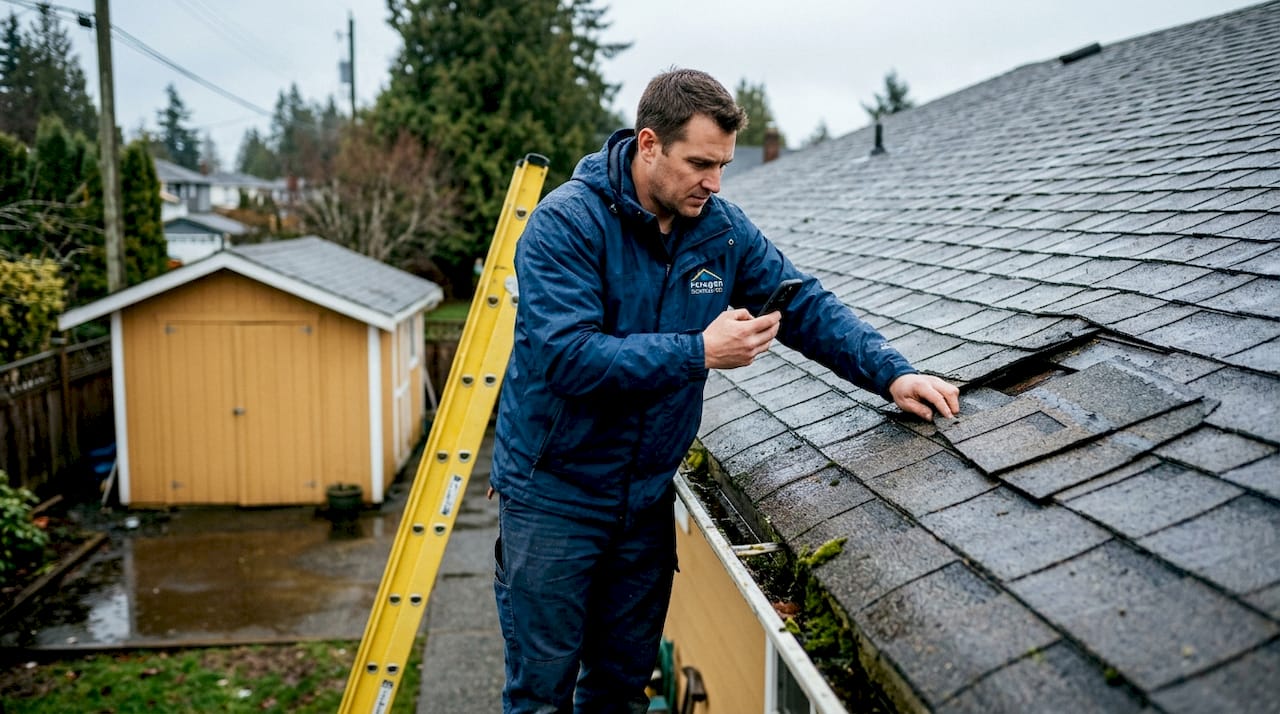
Heavy rainfall and windstorms in coastal BC frequently cause sudden roof failures, particularly on homes with ageing asphalt shingles or compromised underlayment (the waterproof layer beneath the shingles). When you combine moisture-heavy weather with a roof that hasn’t been inspected in a few years, the conditions are ripe for an unexpected emergency.
Top causes of emergency roof damage in BC:
- Windstorms and atmospheric rivers: High winds rip off shingles or lift entire roof sections. Atmospheric rivers, those corridors of concentrated moisture that hit BC regularly, drop enormous amounts of rain in short periods.
- Fallen trees and large branches: BC’s densely forested neighbourhoods mean overhanging limbs are a constant risk, particularly during wind events.
- Ice dams: In colder inland areas like the Fraser Valley or the Interior, ice dams form at roof edges and channel water beneath shingles, causing slow but severe interior damage.
- Ageing and neglected roofing materials: A 20-year-old asphalt shingle roof in a high-rainfall zone has often already exceeded its practical lifespan. One major storm can push it over the edge.
- Clogged or failing gutters: When gutters back up, water pools against the fascia boards and eventually works its way under the roofline.
When these problems are left unaddressed, the cascade of damage is alarming. Water intrusion leads to mould growth within 24 to 48 hours. Prolonged moisture exposure damages insulation, compromises drywall, and can even reach your home’s electrical systems, creating a fire risk. Knowing the common BC roof emergencies and their triggers helps you act before they spiral.
Pro Tip: Schedule a professional roof inspection every autumn before the wet season kicks in. Catching loose shingles, failing flashing, or clogged gutters in October costs a fraction of what an emergency repair bill will run you in January.
The impact of emergency repairs on home value and insurance
Now that the causes are clear, it’s important to see what’s at stake for your home’s value and insurance. Many homeowners don’t realise how tightly roof condition is tied to their property’s market value and their insurance coverage until something goes wrong.
A roof in poor repair can reduce a home’s appraised value significantly. Real estate buyers and their inspectors scrutinise roofing conditions closely. An emergency that was left unaddressed or patched with a short-term fix can show up in an inspection report and torpedo a sale or force a major price reduction. More critically, insurance claims can be denied if emergency repairs are delayed or improperly handled, leaving you covering the full cost of repairs yourself.
Prompt vs. delayed emergency repair: insurance outcomes
| Scenario | Likely insurance outcome | Financial impact |
|---|---|---|
| Emergency repaired promptly by a licensed contractor | Claim typically approved | Costs largely covered by insurer |
| Repair delayed by 2 to 4 weeks | Claim may be partially denied | Homeowner covers a portion |
| Damage ignored or DIY patched incorrectly | Claim likely denied entirely | Full cost borne by homeowner |
| No maintenance record, sudden failure | Claim denied as “wear and tear” | Complete out-of-pocket expense |
Insurance adjusters are trained to look for signs of neglect. If your roof had obvious damage that you didn’t address promptly, they may classify the resulting damage as a maintenance failure rather than an insurable event. This is a painful and avoidable outcome.
For resale value, timely roof repair and insurance documentation can actually work in your favour. When you have a clear paper trail showing that repairs were handled quickly and professionally, it reassures buyers and appraisers alike.
Pro Tip: After any roof repair, ask your contractor for a written work summary and keep all receipts. Photograph the damage before and after. This documentation is your strongest asset when filing an insurance claim or putting your home on the market.
Steps to take during a roof emergency
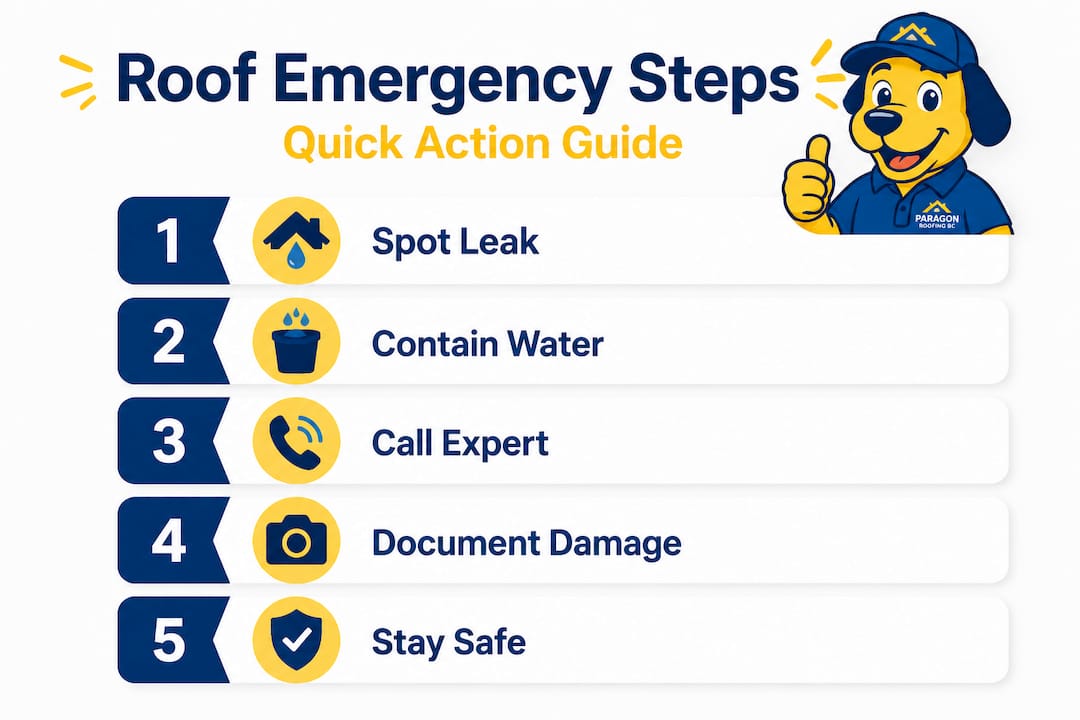
Faced with a crisis, let’s lay out what you should do right away to keep everyone safe and limit damage. Panic is natural, but having a clear plan keeps things from getting worse.
- Prioritise safety above everything else. Do not go onto the roof yourself, particularly during active rain or wind. Wet roofing surfaces are dangerously slippery. Leave the assessment to trained professionals.
- Move valuables and furniture away from affected areas. If water is dripping through the ceiling, place buckets to catch it and relocate anything that could be water-damaged, including electronics, documents, and furniture.
- Contain the leak if it is safe to do so. Plastic sheeting or heavy-duty tarps placed over interior areas can reduce water spread while you wait for help.
- Document everything with photos and video. Capture the damage from every angle you safely can. This is crucial for your insurance claim. Securing the area and containing leaks before calling a pro genuinely mitigates damage and protects your claim.
- Call a licensed emergency roofing contractor. This is not the moment to call a general handyman. You need someone who knows BC building codes, can assess structural risk, and will provide documentation for your insurance company.
- Contact your insurance provider. Report the damage as soon as possible. Most policies require prompt notification. Waiting too long can affect your coverage.
- Follow up with a full roof inspection. Once the immediate crisis is stabilised, a thorough inspection will identify any secondary damage you might not see from the ground.
What not to do during a roof emergency:
- Do not attempt to climb on the roof in wet or windy conditions
- Do not apply roofing caulk or DIY patches without understanding what’s underneath
- Do not wait days before calling a professional, hoping it will stop leaking on its own
A solid roof repair checklist makes it much easier to move through these steps without forgetting critical actions in the stress of the moment.
Pro Tip: Save the contact information for a trusted emergency roofing contractor in your phone right now, before you ever need it. In the middle of a storm at midnight is not the time to start researching who to call.
Prevention: how regular maintenance reduces emergency risks
With emergency actions covered, let’s turn to how you can prevent most crises with smart maintenance. Here’s a truth most homeowners only learn after their first major roof emergency: the vast majority of urgent repairs were entirely preventable.
Proactive inspections and maintenance can spot early warning signs before they escalate into expensive emergencies. A cracked shingle, a small gap in the flashing around your chimney, or a buildup of debris in your gutters all look minor in isolation. Left unaddressed through a BC winter, they become costly and disruptive.
Routine vs. emergency repair costs: a comparison
| Type of repair | Typical cost range (CAD) | Frequency | Disruption level |
|---|---|---|---|
| Professional inspection | $150 to $400 | Once or twice per year | Minimal |
| Routine shingle replacement | $300 to $1,000 | As needed | Low |
| Flashing repair or reseal | $200 to $600 | Every few years | Low |
| Emergency leak repair | $800 to $3,000+ | Unpredictable | High |
| Major structural repair post-emergency | $5,000 to $20,000+ | After neglect | Very high |
The numbers speak clearly. Spending a few hundred dollars on routine roof maintenance inspections each year is one of the most cost-effective decisions a BC homeowner can make.
Maintenance steps that reduce your emergency risk:
- Clear gutters and downspouts of leaves and debris every autumn and spring
- Trim overhanging tree branches that could fall onto the roof during a wind event
- Check attic ventilation to prevent moisture buildup, which weakens shingles from the inside
- Look for granule loss in gutters (granules are the small gravel-like particles on asphalt shingles that protect against UV and weather)
- Have a professional inspect flashings around chimneys, skylights, and roof vents after major storms
Pro Tip: When hiring a roof inspector, look for someone affiliated with a recognised industry body such as the BC Construction Association or a certified manufacturer’s installer. Credentials matter, and so does local experience with BC’s specific climate challenges.
A roofer’s perspective: why “quick fixes” aren’t enough for BC homes
With prevention and best practices in mind, it’s important to hear an honest view on what really works for emergency roof issues. Here’s something we see all the time: a homeowner notices a small leak, heads to the hardware store, buys a tube of roofing sealant, and figures that’s that. Six months later, we’re up on that same roof replacing rotted decking boards (the structural boards beneath the shingles) that were quietly absorbing moisture the whole time.
DIY patch-ups feel satisfying and thrifty in the moment. The problem is that visible damage is almost never the whole story. A missing shingle is a symptom. The question is what caused it to fail, and what damage the moisture has already done to the layers beneath. Without proper assessment, you are essentially putting a bandage on something that may need surgery.
There’s another angle here that homeowners don’t think about until it’s too late. Insurance adjusters and home inspectors look for professional repair records. When you have documentation showing a licensed contractor assessed and repaired your roof, it tells a story of a well-maintained home. When the only evidence is a smear of roofing tar and a receipt from a hardware store, that story changes considerably. The risks of why insurers deny claims are very real, and a DIY patch is often the reason.
Building code compliance also matters even in an emergency. BC’s building codes set minimum standards for roofing materials, installation methods, and structural requirements. An unlicensed repair that doesn’t meet code can create liability issues and even void your home insurance policy in certain situations. The two or three hundred dollars you save with a DIY fix is not worth the risk of a denied insurance claim or a failed home inspection down the line.
Protect your home with expert emergency roof services
When a roof emergency strikes, you need a team that knows BC’s climate, understands the building code requirements, and can respond quickly with the right materials and skills.

At Paragon Roofing BC, we’ve helped homeowners across the Lower Mainland and beyond get through roofing crises with minimal stress and maximum protection. Whether you’re dealing with storm damage in Coquitlam and need reliable Coquitlam roof installation expertise, or you’re managing a major failure in Maple Ridge and need trusted Maple Ridge roof replacement service, we’re ready to help. Our team also offers thorough roof maintenance and inspection services to help you stay ahead of the next potential emergency. Reach out today for an inspection or emergency assessment, and let’s make sure your home stays protected through every BC season.
Frequently asked questions
How do I know if my roof repair is an emergency?
If there is active leaking, visible structural damage, or safety concerns affecting your household, you are dealing with an emergency that requires immediate professional attention. Emergencies involve leaks, damage, and urgent hazards that will only worsen without prompt action.
Will my home insurance cover emergency roof repairs?
Insurance may cover sudden and accidental damage, but insurance can deny claims if maintenance was neglected or if you delayed reporting and repairing the damage. Acting quickly and keeping thorough records is your best protection.
What steps should I take while waiting for a roofer during an emergency?
Move valuables away from affected areas, contain leaks with buckets or tarps if it is safe to do so, and document all visible damage with photos. Mitigating damage safely is crucial during a roofing emergency, but never attempt to climb onto the roof yourself during active weather.
Can regular roof inspections really prevent emergencies?
Yes, without question. Proactive inspections and maintenance spot warning signs like failing flashing, cracked shingles, and moisture intrusion before they develop into expensive structural emergencies that disrupt your home and drain your savings.