What Is EPDM Roofing and Its Impact in BC
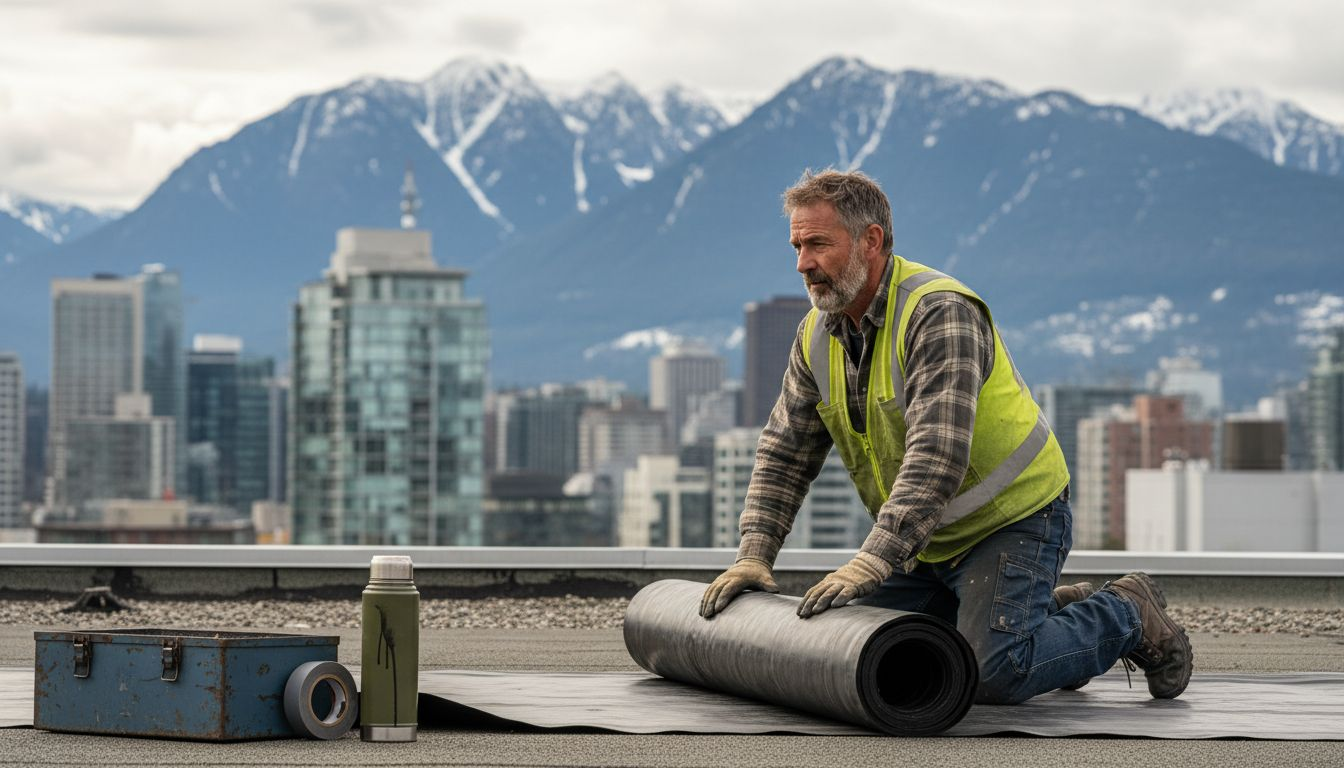
Most Canadian homeowners in Vancouver face steep annual rainfall and unpredictable weather, prompting tough choices about roof protection. EPDM roofing stands out thanks to its proven resilience in the Lower Mainland’s climate, offering up to 40 years of reliable service when installed correctly. With so many myths surrounding synthetic rubber roofs, knowing the facts could save you costly repairs while securing lasting value for your property.
Table of Contents
- EPDM Roofing Defined And Common Misconceptions
- Types Of EPDM Roofing Membranes Available
- Key Benefits For Vancouver Homeowners
- Installation Process And Maintenance Needs
- Comparing EPDM To Other Roofing Materials
- Lifespan, Costs, And Long-Term Value
Key Takeaways
| Point | Details |
|---|---|
| EPDM Membrane Features | EPDM is a highly durable synthetic rubber membrane designed for low-slope roofing, offering excellent resistance to extreme weather conditions in British Columbia. |
| Installation Versatility | Multiple installation methods, including fully adhered and ballasted systems, cater to various architectural types and environmental demands in Vancouver. |
| Long-Term Value | Professionally installed EPDM roofs can last 30 to 40 years, significantly reducing lifecycle costs compared to traditional roofing materials. |
| Consult Local Experts | Engaging with local roofing professionals is crucial for choosing the right EPDM membrane based on specific regional challenges and building codes. |
EPDM Roofing Defined and Common Misconceptions
EPDM(ethylene propylene diene monomer) represents a sophisticated synthetic rubber membrane engineered specifically for low-slope roofing applications across residential and commercial structures in British Columbia. Unlike traditional roofing materials, synthetic rubber membranes offer remarkable durability and environmental resilience.
In the challenging climatic conditions of the Lower Mainland, EPDM delivers exceptional performance. It consists of a unique polymer composition that provides superior resistance to extreme weather variations, including heavy rainfall, temperature fluctuations, and intense UV exposure. Manufactured in large sheets typically ranging from 45 to 60 mils thick, EPDM membranes can be installed through multiple methods: fully adhered, mechanically attached, or ballasted.
Contrary to widespread misconceptions, EPDM is not limited by geographic constraints. Advanced rubber technologies have significantly enhanced its capabilities, enabling reliable performance across diverse environmental conditions. Its chemical composition allows remarkable resistance to heat, ozone, steam, and prolonged weathering, making it an ideal roofing solution for Vancouver’s demanding climate.
Pro tip: Before selecting an EPDM roofing system, always consult with local roofing professionals who understand the specific environmental challenges of British Columbia’s coastal region.
Types of EPDM Roofing Membranes Available
EPDM roofing membranes represent a sophisticated range of synthetic rubber solutions designed to meet diverse architectural requirements in British Columbia. Membrane roofing systems offer multiple configurations, with EPDM presenting several critical variations that address specific performance needs for residential and commercial structures.
The primary categories of EPDM membranes include reinforced and non-reinforced types, each offering unique advantages for different roofing applications. Reinforced membranes incorporate a scrim fabric that enhances structural integrity, while non-reinforced membranes provide flexibility in thinner installations. Thickness ranges typically span from 45 to 90 mils, allowing contractors to select precise specifications matching project requirements. These membranes are available in standard colours like black and white, with installation methods including fully adhered, mechanically attached, and ballasted systems.
Manufacturers have developed specialized EPDM membranes to address specific environmental challenges, particularly in regions like the Lower Mainland with complex weather patterns. Membrane variations can incorporate enhanced UV resistance, improved seam technologies, and customized elasticity to withstand Vancouver’s unique climatic conditions. Most high-quality EPDM membranes are engineered to provide a minimum 20-year lifespan when professionally installed and maintained.
Here’s a summary comparing EPDM roofing membrane types and their suitability for Vancouver climates:
| Membrane Type | Structure | Best Use Cases | Key Vancouver Advantage |
|---|---|---|---|
| Reinforced | Includes scrim fabric | High-traffic roofs | Enhanced puncture resistance |
| Non-Reinforced | Pure synthetic rubber | Residential low-slope | Greater flexibility, easy fit |
| UV-Resistant | Special additives | Sun-exposed surfaces | Superior UV durability |
Pro tip: Always verify the specific membrane type’s compatibility with your local building codes and regional climate conditions before making a final roofing selection.
Key Benefits for Vancouver Homeowners
EPDM roofing offers remarkable advantages specifically tailored to the challenging coastal climate of British Columbia. Roofing solutions for variable climates provide Vancouver homeowners with an exceptional combination of durability, energy efficiency, and long-term performance that addresses our region’s unique environmental demands.
The membrane’s extraordinary resilience makes it particularly well-suited for the Lower Mainland’s complex weather patterns. EPDM membranes demonstrate superior resistance to heat, ozone, and moisture, effectively protecting homes against Vancouver’s frequent rainfall, temperature fluctuations, and occasional snow loads. Homeowners can choose between black and white membrane options, which offer strategic energy efficiency benefits. Black membranes absorb heat during cooler months, while white membranes reflect solar radiation during summer, helping to regulate indoor temperatures and potentially reduce energy consumption.
EPDM roofing technologies provide multiple installation methods that accommodate various architectural designs and structural requirements. The large sheet sizes minimize seam points, which significantly reduces potential leak vulnerabilities - a critical consideration in our moisture-rich coastal environment. With proper installation, these roofing systems can consistently deliver a service life extending 20 years or more, representing a robust long-term investment for property owners seeking reliable protection against British Columbia’s demanding climate.
Pro tip: Consider consulting with a local roofing professional who understands Vancouver’s specific microclimates to determine the optimal EPDM membrane configuration for your specific property.
Installation Process and Maintenance Needs
EPDM roofing installation presents multiple strategic approaches tailored to the unique architectural requirements of Vancouver properties. Professional roofers can select from three primary installation methods: fully adhered, mechanically attached, and ballasted systems, each offering distinct advantages depending on the specific structural characteristics of a building.
The fully adhered method involves carefully bonding the membrane using specialized contact cement directly to the roof’s insulation or deck, which eliminates potential membrane billowing and provides exceptional wind resistance critical in our coastal environment. Mechanically attached systems utilize precision fasteners and mounting plates to secure the membrane, offering flexibility for roofs with complex geometries. Ballasted installations leverage aggregate or stone weights to hold the membrane in place, allowing natural expansion and contraction while minimizing penetration points.
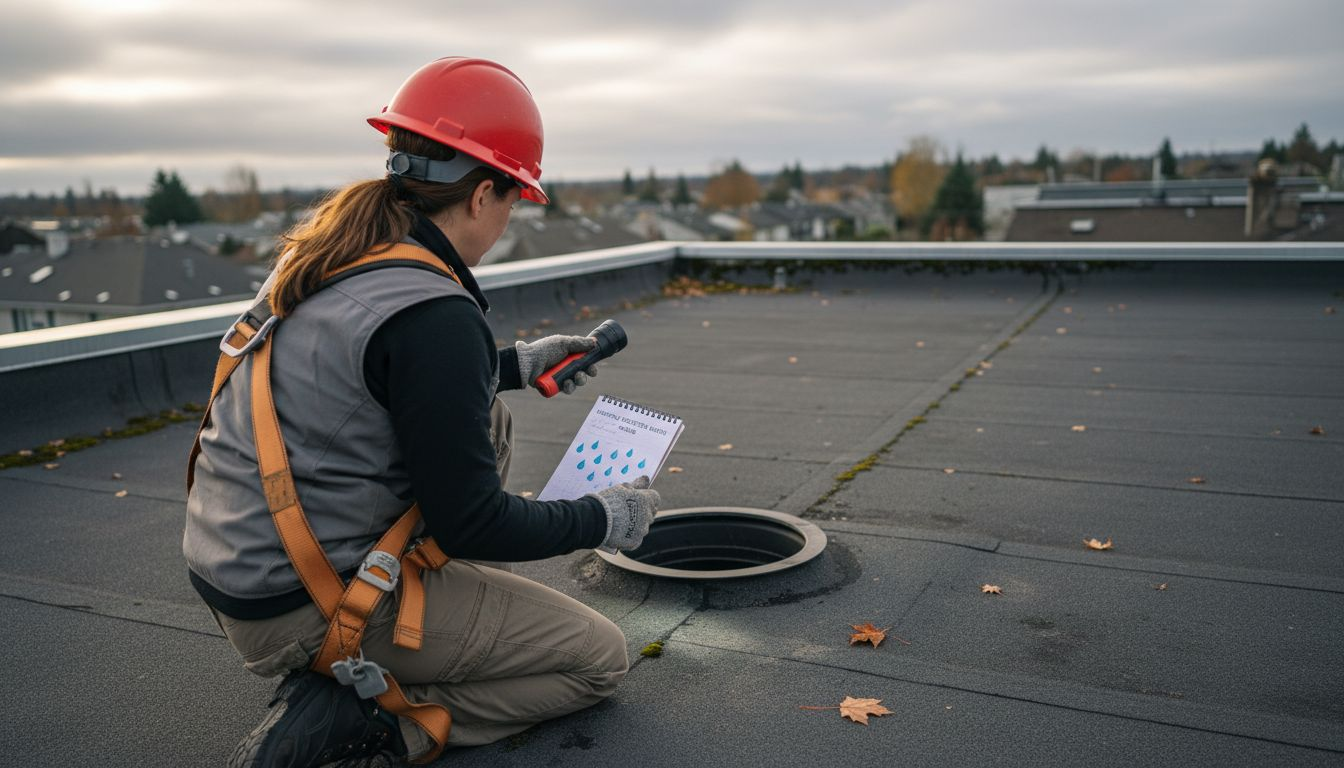
EPDM membrane maintenance demands systematic periodic inspections focusing on critical areas such as seam integrity, potential punctures, and edge conditions. Vancouver’s moisture-rich climate necessitates particular attention to preventing water infiltration, which means conducting thorough examinations at least twice annually. Homeowners should prioritize debris removal, check for signs of membrane separation, and immediately address any visible wear or damage to preserve the roof’s long-term performance and waterproofing capabilities.
Pro tip: Schedule professional roof inspections during late autumn and early spring to identify and address potential vulnerabilities before the most challenging seasonal weather conditions.
Comparing EPDM to Other Roofing Materials
Membrane roofing technologies present diverse options for Vancouver homeowners, with EPDM standing out as a uniquely versatile solution among single-ply roofing materials. Unlike thermoplastic alternatives like PVC and TPO, which dominate the commercial roofing market, EPDM offers distinctive advantages specifically beneficial for British Columbia’s challenging coastal climate.
When compared to traditional roofing materials such as asphalt shingles or metal roofing, EPDM demonstrates exceptional performance characteristics. Its single-ply membrane structure provides superior lightweight flexibility, excellent cold weather resistance, and remarkable durability. While metal roofing might offer longer lifespans and asphalt shingles provide traditional aesthetic appeal, EPDM delivers unparalleled chemical resistance, ozone protection, and ease of installation that make it particularly attractive for low-slope roof applications in the Lower Mainland.
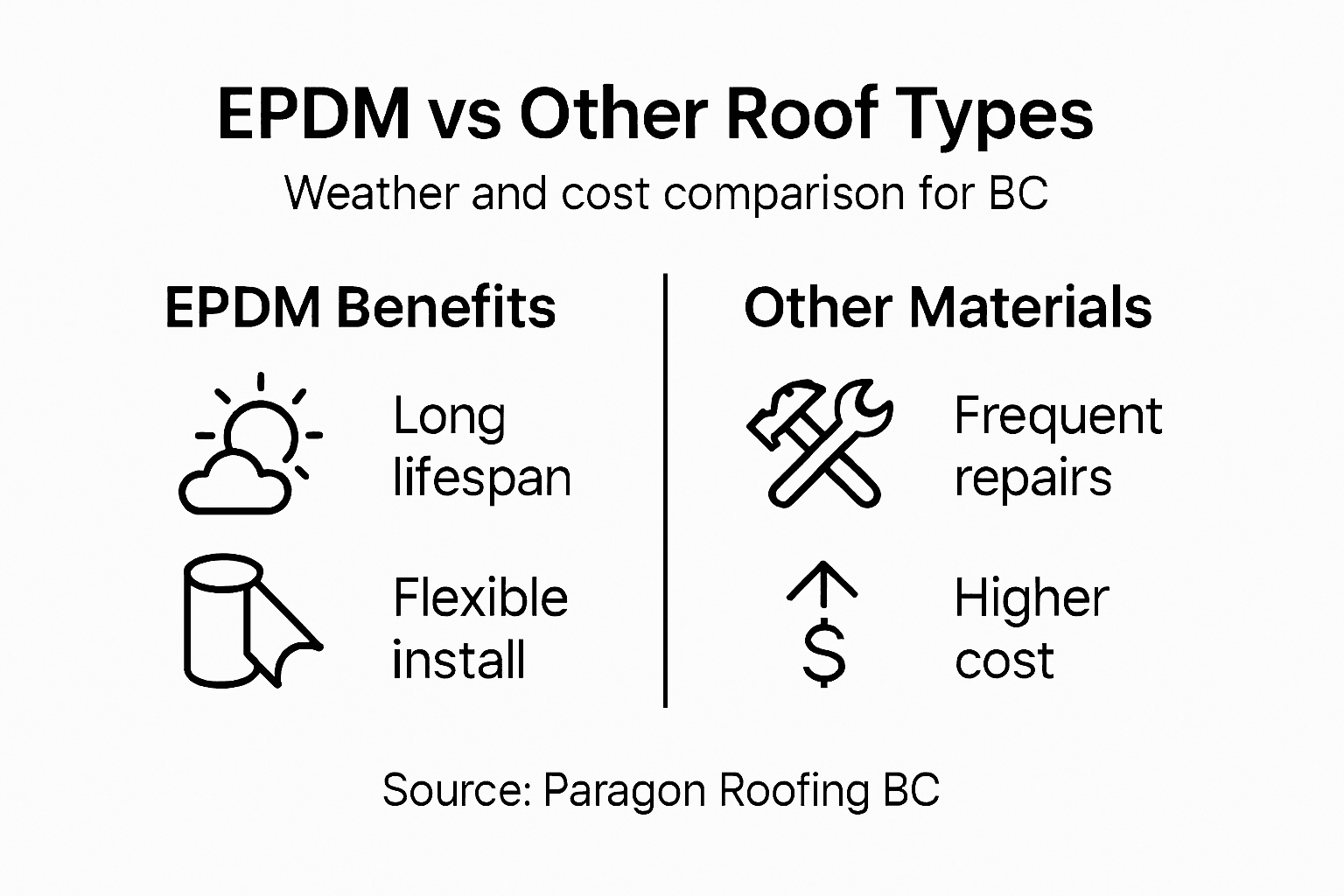
Roofing material comparisons reveal EPDM’s most significant advantages include its economical pricing, adaptability to various architectural designs, and robust weather resistance. However, homeowners should also consider potential limitations, such as slightly higher susceptibility to punctures compared to more rigid roofing systems. The material’s chemical bonding and seam-sealing requirements demand professional installation to ensure optimal long-term performance and waterproofing integrity.
Below is a comparison of popular roofing materials for Vancouver properties:
| Material | Lifespan Range | Weather Resistance | Typical Maintenance Needs |
|---|---|---|---|
| EPDM Membrane | 30–40 years | Excellent for moisture, UV | Biannual inspection, simple repairs |
| Asphalt Shingle | 15–25 years | Moderate, less UV stable | More frequent, patching |
| Metal Roofing | 40–70 years | Outstanding, snow/ice proof | Occasional fastener checks |
| PVC/TPO Membrane | 20–30 years | High, but less cold flexible | Seam/cut checks, routine |
Pro tip: Consult a local roofing professional who can conduct a comprehensive site assessment to determine whether EPDM’s specific characteristics align with your property’s unique structural and environmental demands.
Lifespan, Costs, and Long-Term Value
EPDM roofing’s long-term performance represents an exceptional investment for Vancouver homeowners seeking durable, cost-effective roofing solutions. Unlike more traditional roofing materials that require frequent replacement, EPDM membranes offer remarkable longevity that can significantly reduce overall lifecycle expenses for property owners across British Columbia.
Field studies and laboratory testing demonstrate that professionally installed EPDM roofing systems can consistently deliver 30 to 40 years of reliable service, with many installations exceeding initial performance expectations. The membrane’s ability to maintain flexibility and resist environmental degradation translates into tangible financial benefits. Initial installation costs remain moderate compared to alternative roofing technologies, while the reduced maintenance requirements and extended lifespan create substantial long-term value for residential and commercial property owners.
Roofing lifecycle analysis reveals that EPDM’s economical pricing, combined with its ease of repair and exceptional durability, positions it as a strategic roofing solution for budget-conscious property owners. Manufacturers typically offer warranties ranging from 20 to 30 years, providing additional confidence in the material’s performance. When compared to more traditional roofing systems, EPDM’s lower carbon footprint and reduced maintenance costs make it an environmentally responsible and financially prudent choice for Vancouver’s diverse architectural landscape.
Pro tip: Request detailed lifecycle cost projections from your roofing professional to understand the full financial implications of your EPDM roofing investment over its anticipated service life.
Protect Your British Columbia Property with Expert EPDM Roofing Solutions
Understanding EPDM roofing and its impact in BC highlights the urgent need for durable, weather-resistant roofing systems tailored to the unique coastal challenges of Vancouver and surrounding areas. If you are concerned about maintaining roof integrity against heavy rainfall, fluctuating temperatures, or UV exposure, you are not alone. Many property owners struggle with finding reliable roofing membranes that offer long-term protection and energy efficiency. EPDM membranes deliver exactly that with their remarkable flexibility, resistance to moisture and ozone, and proven lifespan extending beyond 30 years.
At Paragon Roofing BC, we specialize in delivering professional roof installation, repair, and maintenance services that maximize the benefits of EPDM roofing technology. Our team understands the critical importance of expert installation methods like fully adhered or mechanically attached systems to prevent leaks and ensure your roof withstands BC’s demanding climate.
Don’t wait until minor issues lead to costly repairs. Partner with a trusted local roofing contractor who prioritizes your property’s long-term value and energy performance. Visit Paragon Roofing BC today to schedule a free inspection or consultation and take the first step towards a resilient EPDM roofing solution custom designed for your British Columbia home or business.
Frequently Asked Questions
What is EPDM roofing?
EPDM roofing is a synthetic rubber membrane made from ethylene propylene diene monomer, specifically designed for low-slope roofing applications. It offers excellent durability and environmental resistance, making it suitable for various climatic conditions.
What are the benefits of using EPDM roofing in coastal climates?
EPDM roofing provides exceptional resistance to moisture, UV exposure, and extreme temperature fluctuations, making it particularly beneficial for coastal climates where these conditions are prevalent. It can help regulate indoor temperatures and reduce energy consumption.
How does EPDM roofing compare to other roofing materials like metal or asphalt shingles?
EPDM roofing offers unique advantages such as lightweight flexibility and superior chemical resistance compared to traditional materials. While it cannot match the lifespan of metal roofing, it typically lasts 30 to 40 years and requires lower maintenance than asphalt shingles.
What installation methods are available for EPDM roofing?
There are three primary installation methods for EPDM roofing: fully adhered, mechanically attached, and ballasted systems. Each method has its own advantages depending on the building’s design and structural requirements.