What Is Industrial Roofing and Why It Matters in BC
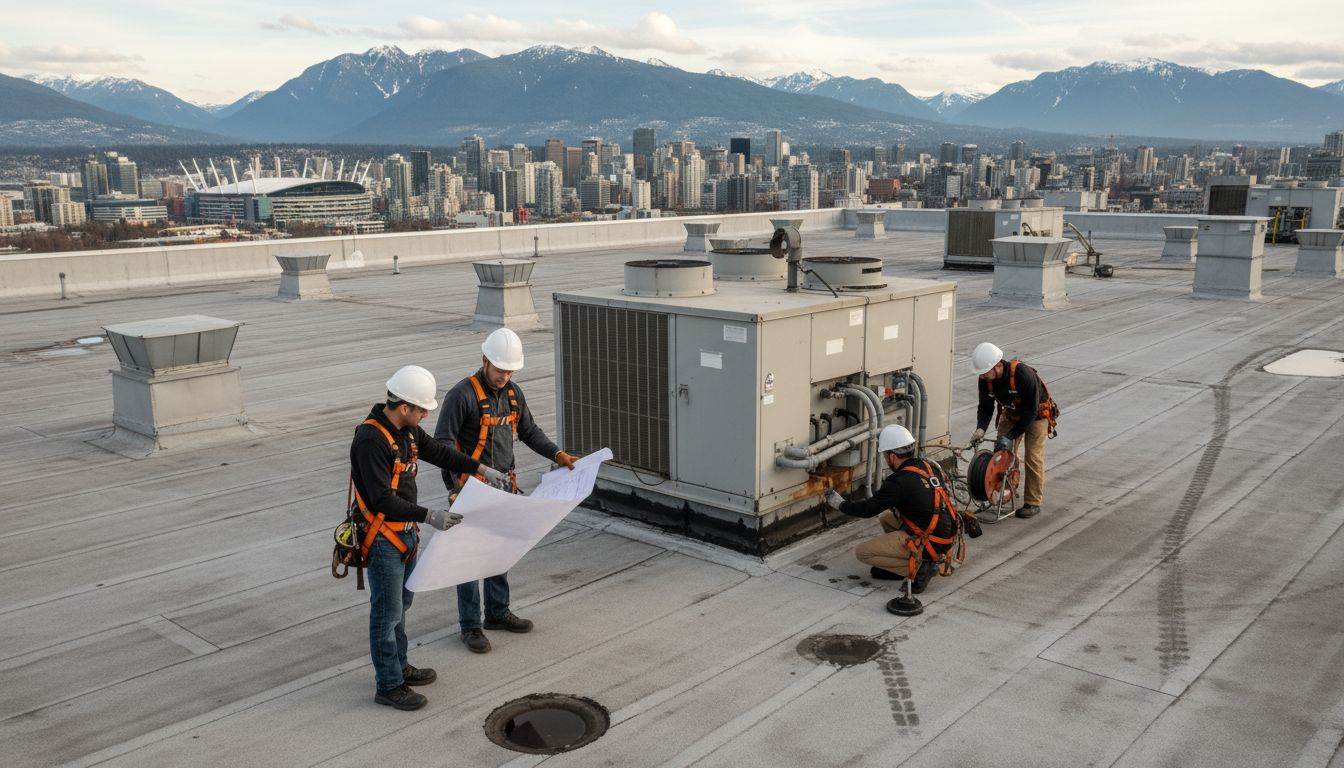
Every Canadian facility manager knows that harsh winters and extreme weather test the limits of any building’s roof. With industrial complexes covering more than 300 million square feet across Canada, making the right choice for a robust roofing system is no small feat. Protecting investments, ensuring safety, and keeping operations running smoothly depend on understanding what makes industrial roofing unique for Canadian conditions. This guide breaks down what facilities need to know about modern roofing strategies, advanced materials, and maintenance realities.
Table of Contents
- Industrial Roofing Defined for Canadian Facilities
- Main Types of Industrial Roofing Systems
- How Industrial Roofs Are Installed and Maintained
- Compliance, Safety, and Building Code Requirements
- Costs, Lifespan, and Risk Factors to Consider
Key Takeaways
| Point | Details |
|---|---|
| Understanding Industrial Roofing | Industrial roofing is essential for large facilities, offering durability against extreme Canadian weather conditions. Professionals must be skilled in advanced installation techniques and building code compliance. |
| Types of Roofing Systems | Common systems include Built-Up Roofing, metal roofing, and green roofs, each tailored for specific industrial needs. Choosing the right system involves considering local climate and long-term economic factors. |
| Importance of Maintenance | Regular comprehensive inspections are crucial to identifying vulnerabilities and extending roof lifespan. Proactive maintenance can significantly reduce long-term repair costs and operational disruptions. |
| Risk Management | Effective risk management strategies, including lifecycle cost analysis, help mitigate potential structural issues and ensure long-term economic viability of roofing investments. |
Industrial Roofing Defined for Canadian Facilities
Industrial roofing represents a specialized construction discipline focused on protecting large-scale facilities through robust, engineered roof systems designed to withstand challenging environmental conditions. Unlike residential roofing, industrial roofing encompasses complex installations for manufacturing plants, warehouses, distribution centres, and commercial complexes across Canada. Professional roofers install, repair, and replace flat and sloped roofs using advanced materials tailored to specific industrial requirements.
The core of industrial roofing lies in its technical complexity and material diversity. Roofing systems for industrial facilities typically involve multiple layers of specialized materials, including membrane systems for flat roofs and advanced metal or composite coverings for sloped surfaces. These systems must account for significant environmental challenges unique to Canadian regions, such as heavy snow loads, extreme temperature variations, and potential wind stress. Industrial roof designs prioritize durability, thermal efficiency, and long-term performance far beyond standard residential applications.
Canadian industrial roofing strategies often incorporate sophisticated technologies like thermal insulation, moisture barriers, and ventilation systems that protect critical infrastructure. These roof configurations serve multiple functions beyond simple weather protection: they contribute to energy efficiency, support structural integrity, and help facilities maintain optimal internal environmental conditions. Whether dealing with a manufacturing plant in British Columbia or a distribution centre in Ontario, industrial roofing professionals must understand complex engineering principles and local building code requirements.
Pro Tip: Always conduct comprehensive annual roof inspections for industrial facilities, focusing on identifying potential weaknesses before they escalate into costly structural problems. A proactive maintenance approach can extend roof lifespan by up to 50% and prevent unexpected operational disruptions.
Main Types of Industrial Roofing Systems
Industrial roofing systems represent a complex array of engineered solutions designed to protect critical infrastructure across various sectors. Common industrial roofing systems primarily include Built-Up Roofing (BUR), metal roofing, and increasingly popular green roof technologies. Each system offers unique characteristics tailored to specific industrial facility requirements, considering factors like durability, thermal performance, and environmental adaptability.
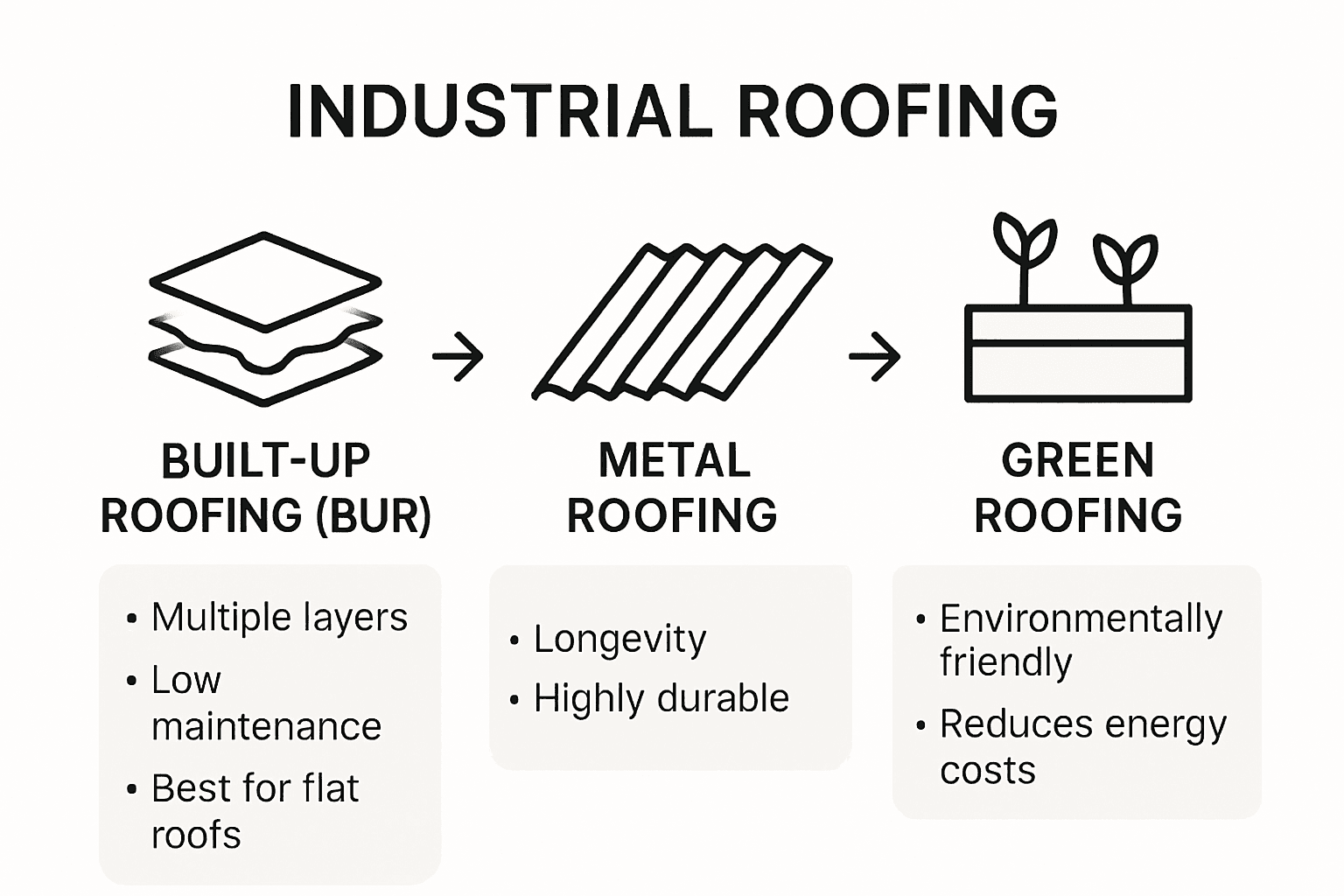
Built-Up Roofing (BUR) systems remain a cornerstone of industrial roofing, characterized by multiple layers of bitumen and reinforcing fabrics. These multi-layered membrane systems provide exceptional weather resistance and can withstand significant mechanical stress. Metal roofing systems, by contrast, offer remarkable longevity and fire-resistant properties, making them ideal for facilities requiring robust protection against environmental extremes. Advanced metal roofing technologies now incorporate sophisticated thermal coatings and interlocking panels that enhance structural integrity and energy efficiency.
Green roof technologies are emerging as an innovative industrial roofing solution, particularly in environmentally conscious Canadian markets. These systems integrate living vegetation layers with advanced waterproofing membranes, providing significant benefits beyond traditional roofing. Green roofs contribute to improved thermal insulation, stormwater management, and reduced urban heat island effects, making them increasingly attractive for forward-thinking industrial facilities seeking sustainable infrastructure solutions.
Pro Tip: When selecting an industrial roofing system, prioritize comprehensive performance evaluations that consider local climate conditions, facility-specific requirements, and long-term maintenance costs. Consulting with specialized industrial roofing professionals can help identify the most appropriate solution for your specific infrastructure needs.
Here is a comparison of the main industrial roofing systems used in Canada:
| Roofing System | Key Strengths | Typical Applications |
|---|---|---|
| Built-Up Roofing (BUR) | Excellent weather resistance | Warehouses, manufacturing plants |
| Metal Roofing | Longevity, fire resistance | Industrial complexes, distribution centres |
| Green Roof | Enhanced insulation, eco-friendly | Urban factories, environmentally certified facilities |
How Industrial Roofs Are Installed and Maintained
Industrial roof installation represents a highly specialized process that demands precise engineering, advanced technical skills, and comprehensive understanding of structural requirements. Flat roofing techniques in industrial settings typically involve multiple intricate stages, beginning with comprehensive site assessment and structural evaluation. Professional roofing teams conduct detailed inspections to determine substrate conditions, load-bearing capacities, and potential environmental challenges specific to the facility.
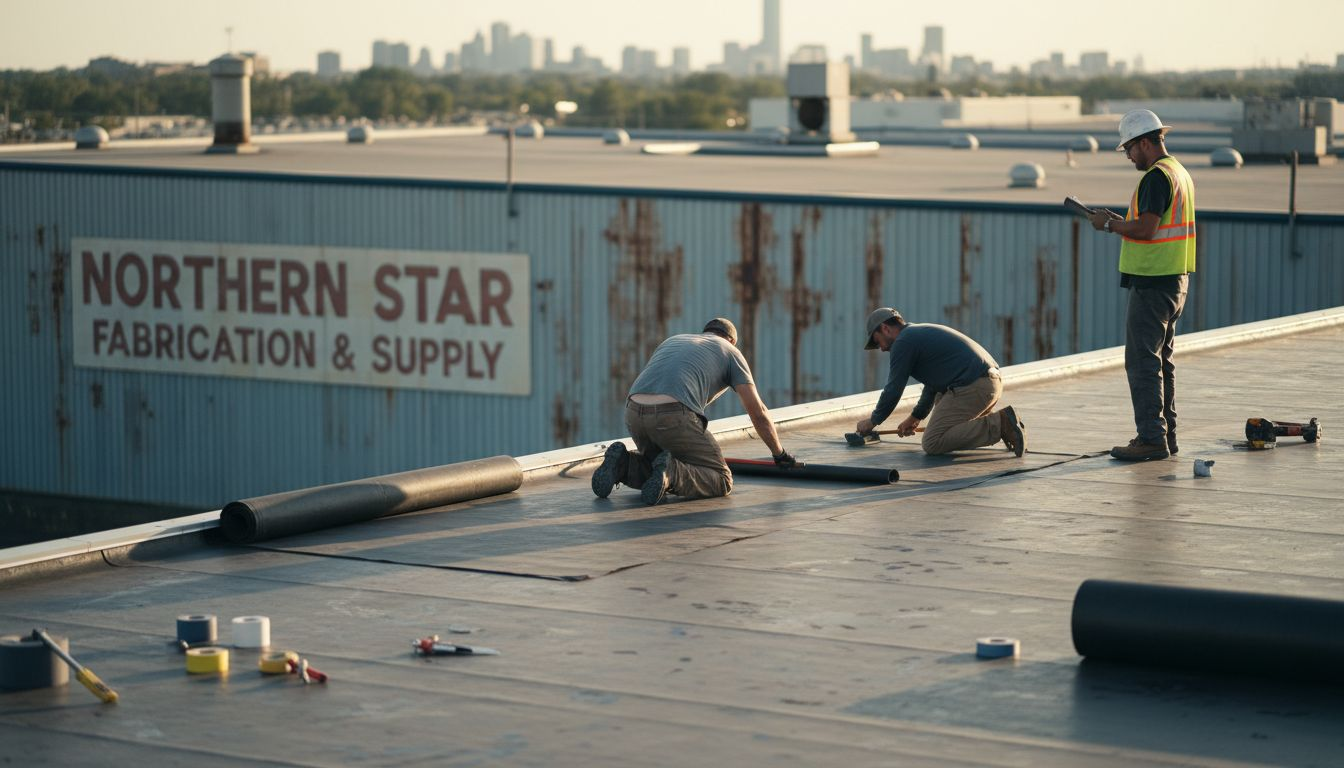
The installation process encompasses several critical phases, including thorough surface preparation, moisture barrier application, insulation layering, and final membrane or covering installation. Precision welding and advanced sealing techniques are paramount in creating watertight roofing systems that can withstand extreme Canadian weather conditions. Industrial roofing professionals must account for thermal expansion, potential structural movement, and complex environmental interactions during each installation stage, requiring sophisticated materials and cutting-edge application methodologies.
Maintenance of industrial roofs demands a proactive and systematic approach, involving regular comprehensive inspections, immediate repair of potential vulnerabilities, and strategic long-term preservation strategies. These maintenance protocols include detailed moisture mapping, structural integrity assessments, membrane condition evaluations, and preventative treatments that mitigate potential degradation. Advanced technologies like infrared scanning and digital monitoring systems now enable more precise tracking of roof performance, allowing facility managers to anticipate and address potential issues before they escalate into significant structural problems.
Pro Tip: Implement a quarterly professional inspection schedule for industrial roofing systems, ensuring early detection of potential weaknesses and preventing costly long-term damage. Document each inspection meticulously to create a comprehensive maintenance history that supports ongoing roof performance and potential warranty claims.
Compliance, Safety, and Building Code Requirements
Industrial roofing in British Columbia demands rigorous adherence to complex safety standards and building code regulations that protect both workers and infrastructure. Commercial roofing programs emphasize the critical importance of understanding comprehensive safety protocols and regulatory requirements before professionals can even begin working in the industry. These standards encompass multiple layers of protection, including worker safety, structural integrity, environmental considerations, and technical specifications.
Building code requirements for industrial roofing in Canada are multilayered, addressing critical aspects such as wind resistance, thermal performance, fire safety, and load-bearing capabilities. Provincial regulations in British Columbia mandate specific engineering assessments, material specifications, and installation techniques that ensure industrial roof systems can withstand extreme weather conditions, from heavy snowfall to intense wind events. Professional roofers must navigate intricate provincial and municipal codes that vary by region, requiring continuous education and certification to maintain compliance.
Safety protocols extend far beyond basic regulatory compliance, involving comprehensive risk management strategies that protect workers, facility managers, and surrounding environments. Industrial roofing professionals must utilize advanced personal protective equipment, implement strict workplace safety procedures, and maintain ongoing training in hazard identification and risk mitigation. This holistic approach ensures not just legal compliance, but creates a culture of proactive safety consciousness that minimizes workplace accidents and potential structural failures.
Pro Tip: Maintain a comprehensive documentation system that tracks all safety certifications, building code compliance records, and installation specifications. Regular third-party safety audits and continuous professional development can help industrial roofing teams stay ahead of evolving regulatory requirements and maintain the highest standards of workplace safety.
Costs, Lifespan, and Risk Factors to Consider
Industrial roofing investments represent complex financial decisions that extend far beyond initial installation expenses. Metal roofing systems demonstrate remarkable long-term value, offering substantial economic advantages through their exceptional durability and minimal maintenance requirements. The total cost of ownership encompasses multiple factors, including material selection, installation complexity, environmental conditions, and anticipated performance lifespan.
Risk management in industrial roofing involves comprehensive assessments of potential structural vulnerabilities, environmental challenges, and performance limitations. Lifecycle cost analysis becomes critical, requiring facility managers to evaluate not just upfront expenses but long-term economic implications. Critical risk factors include moisture penetration, thermal stress, structural load variations, and potential material degradation. Advanced roofing technologies now incorporate sophisticated monitoring systems that help predict and mitigate potential structural weaknesses before they escalate into significant financial liabilities.
The economic landscape of industrial roofing in British Columbia is characterized by significant regional variations, influenced by unique climatic conditions, building regulations, and environmental challenges. Factors such as snow load capacity, wind resistance, thermal expansion capabilities, and fire-retardant properties directly impact roofing system selection and long-term performance. Professional roofing consultants recommend comprehensive risk assessments that consider local environmental conditions, facility-specific requirements, and potential future infrastructure modifications when evaluating roofing investments.
Pro Tip: Develop a comprehensive financial model that calculates total lifecycle costs, including initial installation, anticipated maintenance expenses, potential repair requirements, and projected system lifespan. Engage professional roofing consultants to conduct detailed risk assessments that provide nuanced insights into long-term performance and economic viability of different roofing system options.
The following table summarizes major risk factors and their business impact for industrial roofing:
| Risk Factor | Business Impact | Mitigation Strategy |
|---|---|---|
| Moisture Penetration | Disrupts operations, increases costs | Regular inspections, swift repairs |
| Thermal Stress | Reduces lifespan, energy loss | Install quality insulation |
| Structural Overload | Roof failure, safety hazard | Engineer for snow/wind loads |
| Material Degradation | Maintenance costs, unexpected repairs | Use durable, region-suited materials |
Protect Your Industrial Investment with Trusted Roofing Solutions in British Columbia
Managing an industrial facility in BC means facing unique roofing challenges like extreme weather, heavy snow loads, and the need for high durability and energy efficiency. If you want to avoid costly repairs from moisture penetration or structural overload, you need a roofing partner who understands these complexities. Concepts such as Built-Up Roofing, advanced metal roofing, and green roof technologies demand expert installation and maintenance to maximise performance and lifespan.
Paragon Roofing BC specialises in industrial roofing services tailored to local building codes, safety standards, and environmental conditions. Our team uses precise engineering and advanced materials to ensure your roofing system endures the test of time. Whether you need professional roof inspections, repairs, or full installations, our experts are ready to help protect your operations and investment.
Experience peace of mind with quality industrial roofing that meets British Columbia’s demanding standards. Contact us today at Paragon Roofing BC to schedule your comprehensive roof inspection or consultation. Learn more about our expert services designed to extend your roof’s life and avoid unexpected disruptions by visiting our main landing page or reviewing detailed roofing solutions on our website. Take the first step toward safeguarding your industrial property now.
Frequently Asked Questions
What is industrial roofing?
Industrial roofing refers to specialized roofing systems designed for large-scale facilities such as manufacturing plants and warehouses. These systems protect buildings from environmental challenges and are engineered for durability and long-term performance.
What are the main types of industrial roofing systems?
The main types of industrial roofing systems include Built-Up Roofing (BUR), metal roofing, and green roofing technologies. Each system has unique advantages such as weather resistance, longevity, and energy efficiency, tailored to the specific needs of industrial facilities.
How is industrial roofing installed and maintained?
Industrial roofing installation involves a series of precise steps including site assessment, surface preparation, insulation layering, and membrane installation. Maintenance requires regular inspections, immediate repairs of vulnerabilities, and proactive strategies to extend the roof’s lifespan.
What factors should be considered when choosing an industrial roofing system?
When choosing an industrial roofing system, consider factors like local climate conditions, facility-specific requirements, long-term costs, and performance evaluations. Consulting with specialized roofing professionals can help identify the best options based on these criteria.