What Is Roof Replacement? Key Steps for BC Homes
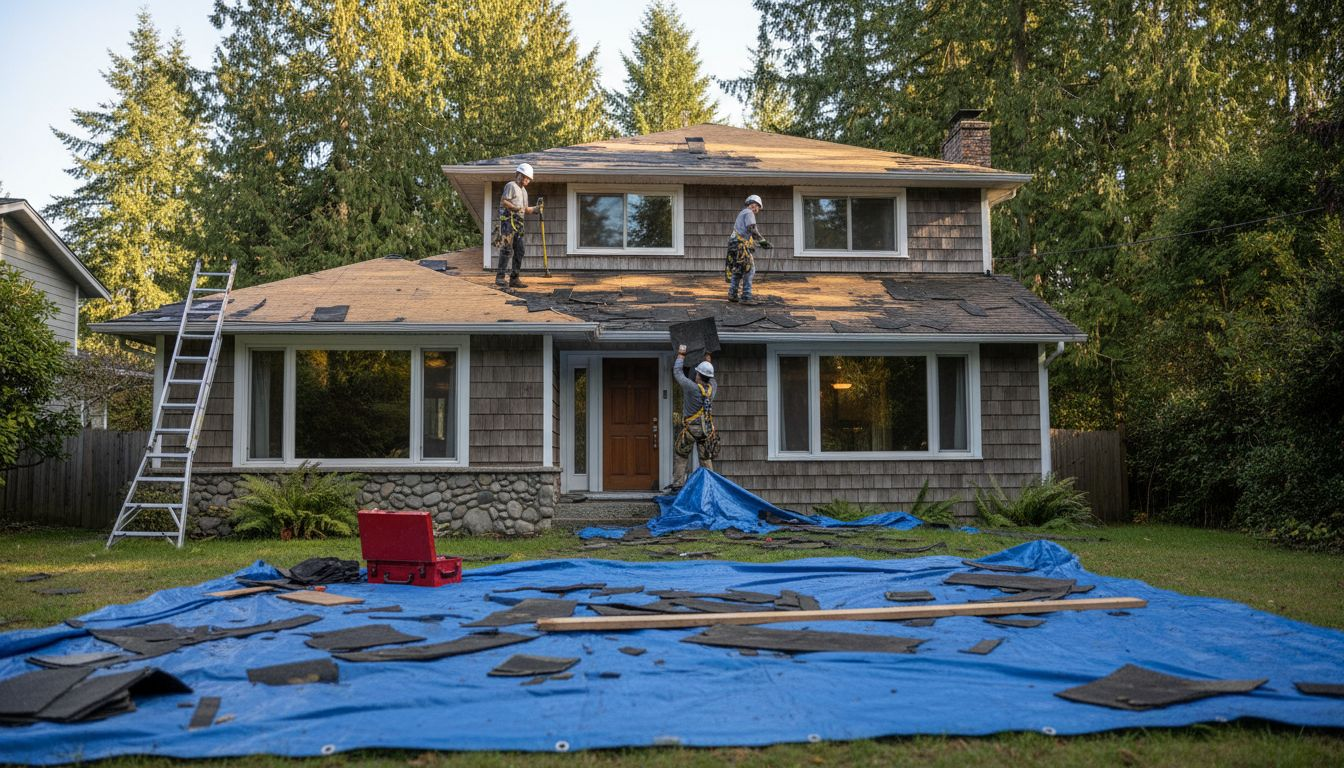
Over time, even the strongest Canadian roofs in Vancouver and Surrey face the reality of wear, especially with the region’s relentless rain and coastal conditions. For homeowners, knowing when a full roof replacement is needed can protect both property value and family safety. This guide unpacks what Canadian homeowners should understand about comprehensive roof replacement, provincial codes, material options, and the trusted steps to get the job done right. See our roof replacement services across Metro Vancouver
Table of Contents
- Defining Roof Replacement in British Columbia
- Roofing Materials and Replacement Options
- The Roof Replacement Process Explained
- Legal, Permit, and Safety Considerations
- Cost Factors and Financial Implications
Key Takeaways
| Point | Details |
|---|---|
| Roof Replacement Necessity | Complete roof replacement is crucial due to British Columbia’s challenging climate and demands adherence to provincial safety standards. |
| Material Selection Importance | Selecting appropriate materials is vital for durability and energy efficiency, with options ranging from asphalt shingles to metal roofing. |
| Permit and Compliance | Homeowners must obtain necessary permits and comply with the BC Building Code to avoid legal and financial consequences. |
| Cost Considerations | Budgeting should include material, labour, and permit costs, along with potential unforeseen expenses and long-term savings from energy efficiency. |
Defining Roof Replacement in British Columbia
Roof replacement represents a comprehensive structural restoration process for residential properties in British Columbia, involving the complete removal and reinstallation of a home’s existing roof system. In the Lower Mainland’s challenging coastal climate, this procedure goes far beyond simple repairs, addressing critical structural integrity and protection requirements for homes exposed to heavy rainfall, extreme wind conditions, and significant moisture challenges.
Under the British Columbia Building Code, roof replacement is classified as a significant building alteration that demands strict compliance with provincial safety and construction standards. Homeowners must obtain proper municipal permits and ensure their roofing project meets specific technical requirements related to structural load capacity, energy efficiency, and environmental resilience specific to British Columbia’s unique geographical conditions.
A complete roof replacement typically involves multiple critical components beyond surface-level shingle installation. This comprehensive process includes removing existing roofing materials, inspecting and potentially repairing underlying structural elements like roof decking, installing new waterproof underlayment, applying fresh roofing materials, and ensuring proper ventilation and drainage systems are functioning optimally. The goal extends beyond aesthetic improvements, focusing on creating a robust protective barrier that can withstand Vancouver’s notoriously wet and variable weather patterns.
Pro tip: Always schedule a professional roof inspection before committing to full replacement to confirm the extent of necessary repairs and understand potential cost-saving alternatives.
Roofing Materials and Replacement Options
British Columbia’s diverse climate demands strategic selection of roofing materials that can withstand extreme weather variations. Provincial construction standards outline specific requirements for roofing materials, ensuring homeowners choose options that provide durability, energy efficiency, and structural protection against the region’s challenging environmental conditions.
The most common roofing materials in British Columbia include asphalt shingles, metal roofing, cedar shakes, and synthetic composite materials. Asphalt shingles remain the most popular choice due to their cost-effectiveness and versatility, typically lasting 15-25 years in the Lower Mainland’s moisture-rich environment. Metal roofing has gained significant traction for its longevity, with options like standing seam and metal tiles offering superior durability and excellent performance in areas prone to heavy rainfall and wind exposure.
Each roofing material presents unique advantages tailored to specific home requirements. Cedar shakes provide exceptional aesthetic appeal and natural insulation, making them ideal for homes in wooded or rural settings. Synthetic composite materials offer innovative solutions with enhanced resistance to moisture, UV degradation, and temperature fluctuations. The selection process involves carefully evaluating factors such as home architectural style, budget constraints, local building codes, and the specific microclimate of the property.
Here’s a comparison of major roofing materials suitable for British Columbia homes:
| Material Type | Expected Lifespan | Weather Resistance | Typical Cost Range |
|---|---|---|---|
| Asphalt Shingles | 15–25 years | Moderate; good for rain | Low ($) |
| Metal Roofing | 40–70 years | Excellent against moisture | High ($$$) |
| Cedar Shakes | 20–30 years | Good, but maintenance needed | Moderate–high ($$–$$$) |
| Synthetic Composite | 30–50 years | Excellent, low maintenance | High ($$$) |
Pro tip: Consult with a local roofing professional who understands British Columbia’s specific climate challenges to select the most appropriate roofing material for your specific location and home design.
The Roof Replacement Process Explained
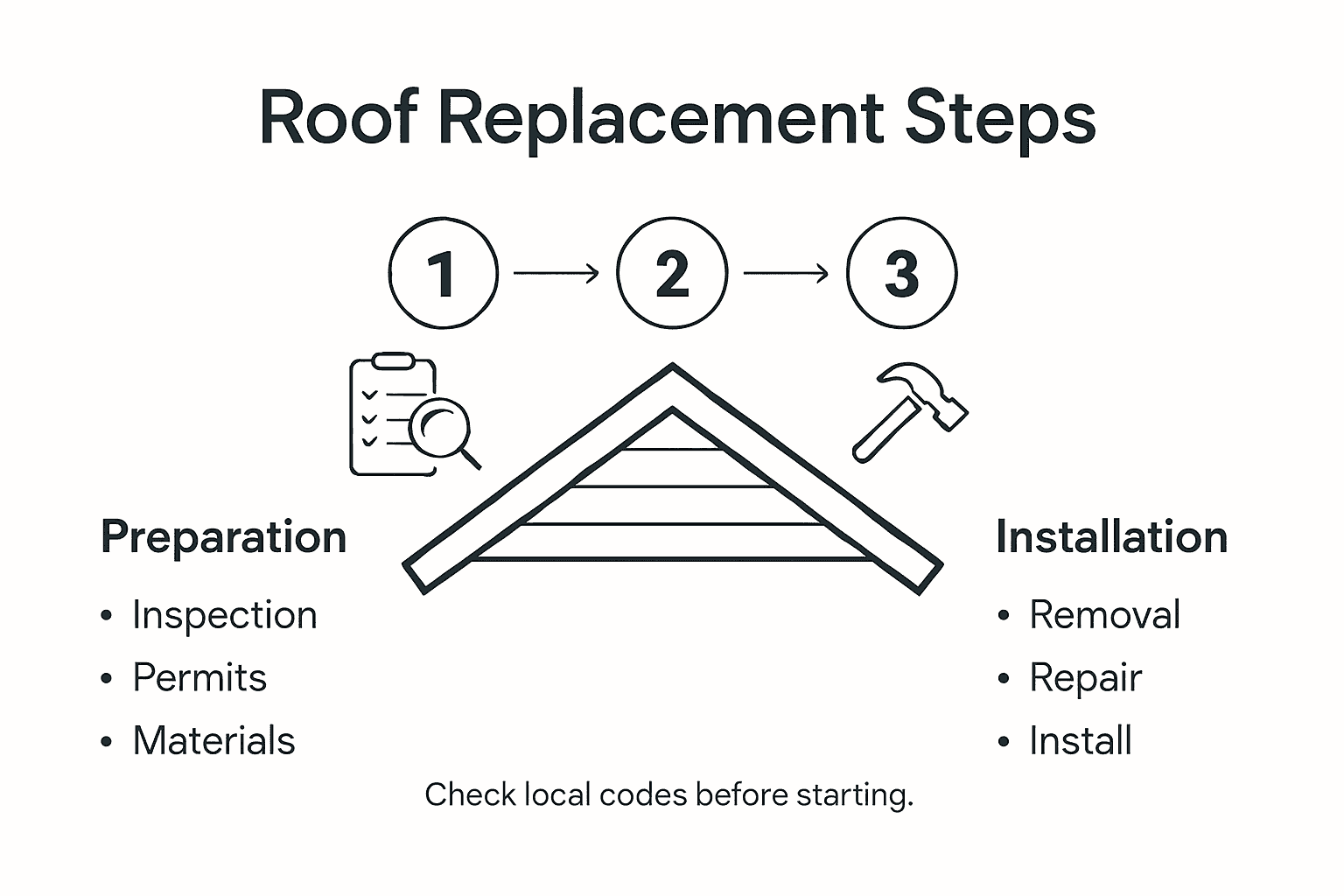
Roof replacement in British Columbia is a comprehensive process that requires careful planning and adherence to provincial building regulations. Obtaining the necessary permits represents the critical first step, ensuring that all roofing work complies with local zoning bylaws and the BC Building Code. Homeowners must navigate this administrative process before any physical work can commence, typically involving submission of detailed project plans and material specifications to local municipal authorities.
The actual replacement process unfolds through several systematic stages. Initially, a comprehensive roof inspection determines the extent of damage and identifies specific areas requiring attention. Professional roofing contractors will carefully remove existing roofing materials, which involves methodical dismantling to prevent additional structural damage. During this phase, they thoroughly examine the underlying roof deck, looking for signs of moisture damage, wood rot, or structural weaknesses that might compromise the new roof’s integrity.
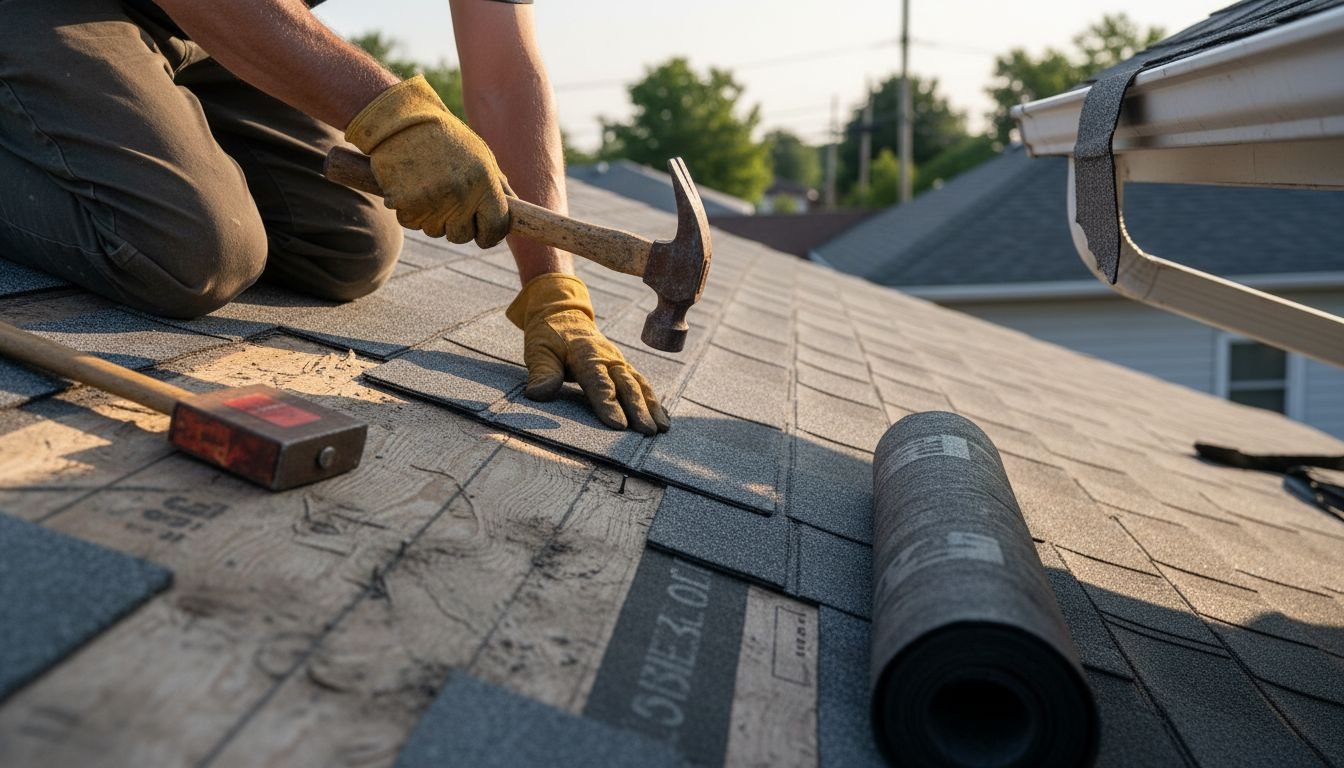
After the initial assessment and preparation, installation of the new roofing system begins. This stage involves precise layering of materials, starting with a robust waterproof underlayment that provides critical protection against British Columbia’s persistent rainfall and moisture challenges. Roofing professionals meticulously install new roofing materials, ensuring proper alignment, secure fastening, and optimal drainage capabilities. Each layer is carefully integrated to create a seamless, watertight system that can withstand the region’s challenging coastal and mountain weather conditions.
Pro tip: Schedule your roof replacement during the driest months of the year to minimize potential weather-related installation complications and ensure optimal material performance.
Legal, Permit, and Safety Considerations
Roof replacement in British Columbia demands strict adherence to legal and regulatory requirements that protect homeowners and ensure structural safety. Obtaining the necessary building permits represents a critical first step in the process, involving detailed documentation submission, fee payment, and mandatory inspections by local municipal authorities. These permits serve as a comprehensive safeguard, ensuring that all roofing work complies with the BC Building Code, local zoning regulations, and established health and safety standards.
The BC Building Code and Building Act establish rigorous legal frameworks that govern every aspect of roof replacement. These regulations specify precise requirements for contractor qualifications, material standards, installation methodologies, and safety protocols. Professional roofing contractors must demonstrate extensive knowledge of these standards, including critical safety considerations such as proper fall protection, hazardous material management, and ensuring roofing materials meet stringent fire resistance and weather durability requirements. Homeowners are legally obligated to work exclusively with certified professionals who can demonstrate compliance with these comprehensive regulatory standards.
Non-compliance with provincial building regulations can result in significant financial and legal consequences. Homeowners who proceed without proper permits risk substantial fines, potential legal disputes, and complications during future property sales. Moreover, insurance companies may refuse coverage for roof-related damages if work has been completed without adhering to official building codes. The permit process is not merely bureaucratic but serves as a critical mechanism to protect homeowners, ensuring that roof replacement projects meet the highest standards of structural integrity, safety, and professional workmanship.
Pro tip: Request and verify your contractor’s certification and permit documentation before initiating any roof replacement project to ensure full legal compliance and protection.
Cost Factors and Financial Implications
Roof replacement represents a significant investment for British Columbia homeowners, with costs influenced by multiple complex factors. Provincial financial incentive programs can help mitigate these expenses, offering rebates for energy-efficient upgrades that make the project more financially manageable. The total cost typically ranges from $5,000 to $25,000, depending on factors such as roof size, material selection, structural complexity, and the specific requirements of the Lower Mainland’s challenging climate.
The primary cost components include material expenses, labour costs, permit fees, and potential structural repair requirements. Asphalt shingles represent the most budget-friendly option, while metal and synthetic roofing materials offer longer-term durability at a higher initial investment. Professional roofing contractors in Vancouver typically charge between $4 to $7 per square foot for installation, with additional costs for complex roof designs, steep pitches, or homes requiring extensive structural reinforcement. Homeowners should budget for unexpected expenses, allocating an extra 10-15% above initial estimates to cover potential unforeseen complications.
Beyond direct replacement costs, homeowners must consider long-term financial implications. Energy-efficient roofing materials and proper installation can significantly reduce heating and cooling expenses, potentially saving hundreds of dollars annually. Some insurance providers offer reduced premiums for roofs that meet current building codes and demonstrate superior weather resistance. Additionally, a professionally replaced roof can increase property value, providing a substantial return on investment when selling the home, with some estimates suggesting up to a 70% cost recovery during property resale.
Below is a summary of key cost factors and their long-term financial implications for BC roof replacements:
| Cost Factor | Short-term Impact | Long-term Benefit |
|---|---|---|
| Material Selection | Higher initial expense | Lower future maintenance costs |
| Labour & Installation | Major upfront cost | Impacts roof durability, longevity |
| Energy-efficient Options | Increased project cost | Reduced utility bills over years |
| Permit & Inspection Fees | Necessary, not optional | Ensures insurance & legal coverage |
Pro tip: Request detailed, itemized quotes from multiple certified roofing contractors and carefully compare not just total costs, but warranty coverage, material quality, and long-term performance expectations.
Trust Paragon Roofing BC for Expert Roof Replacement Solutions in British Columbia
Understanding the full scope and complexity of a roof replacement in British Columbia can feel overwhelming. From navigating the British Columbia Building Code requirements to selecting durable roofing materials that stand up to Vancouver’s challenging coastal climate, the stakes are high. Paragon Roofing BC specialises in helping homeowners and property managers overcome these challenges by providing trusted, professional roof replacement services designed to protect your home and investment.
Make the smart choice today by partnering with Paragon Roofing BC. Our experienced team ensures your roof replacement meets all safety and permit regulations while using top-quality materials like asphalt shingles, metal roofing, cedar, or synthetic composites tailored to your property’s unique needs. Don’t wait until small issues become costly repairs. Visit Paragon Roofing BC now for a free inspection and detailed consultation and take the essential next step toward securing your home’s future. Learn more about our comprehensive services at Paragon Roofing BC and get started with confidence.
Frequently Asked Questions
What is roof replacement?
Roof replacement is the complete removal and reinstallation of a home’s existing roof system, addressing structural integrity and protection against environmental elements such as heavy rainfall and wind.
What are the key steps in the roof replacement process?
The key steps in the roof replacement process include obtaining necessary permits, conducting a roof inspection, removing old roofing materials, inspecting the roof deck, installing waterproof underlayment, and then applying new roofing materials while ensuring optimal drainage and ventilation.
How do I choose the right roofing material for my home?
Choosing the right roofing material involves evaluating factors such as the local climate, budget, home architectural style, and specific performance characteristics of materials like asphalt shingles, metal roofing, cedar shakes, and synthetic composites.
What are the legal requirements for roof replacement?
Legal requirements for roof replacement include obtaining building permits, ensuring compliance with the BC Building Code, and working with certified professionals to meet safety and installation standards.