6 Best Roofing Materials for BC Homes and Climate
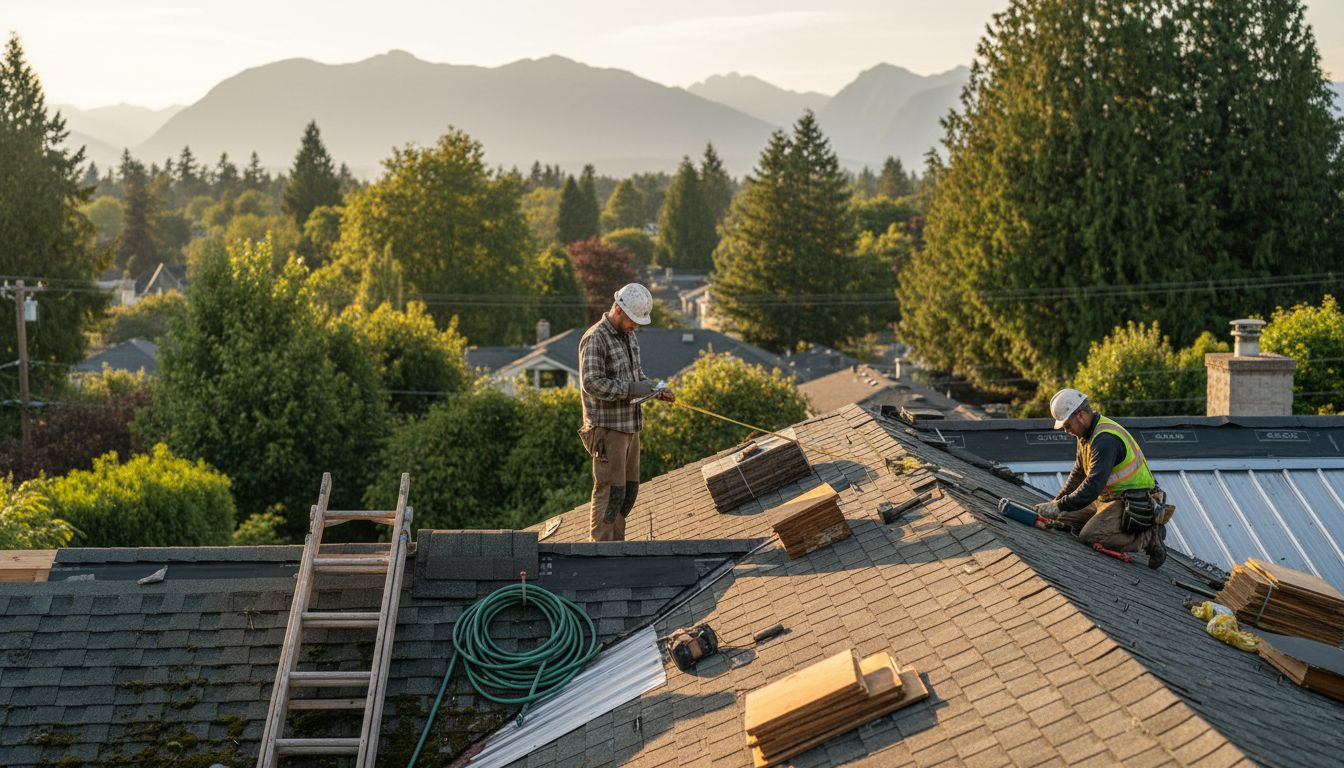
Choosing the right roofing material for your British Columbia home can feel overwhelming, especially with so many options and our challenging weather. Between heavy rain, snow, strong winds, and the need for long-term durability, it’s not always clear which roof will actually protect your investment. You want a solution that suits your budget, your style, and BC’s demanding climate—without constant maintenance headaches. The good news is, there are specific materials that are proven to handle these conditions, and standards are in place to make sure they are up to the task. This list breaks down what you need to know about each roofing option, from affordable asphalt shingles to premium cedar shakes and metal roofs. Get ready to discover practical benefits, hidden drawbacks, and smart tips that help you make a confident choice for your next roof upgrade.
Watch: 6 Best Roofing Materials for BC Homes
Choosing the right roofing material in British Columbia is about more than appearance. In places like Vancouver and the Lower Mainland, roofing systems need to handle persistent rain, moisture, changing temperatures, and long-term wear. This video explains six of the best roofing materials for BC homes and helps homeowners understand which option may fit their property, budget, and long-term goals.
If you are comparing asphalt shingles, metal roofing, cedar, tile, or synthetic options, this video gives a helpful overview from a Vancouver roofing perspective. It is a useful resource for homeowners trying to make a smarter roofing decision for BC conditions.
Table of Contents
- Asphalt Shingles: Cost-Effective and Popular for BC
- Metal Roofing: Durable Protection Against Rain and Snow
- Cedar Shakes: Natural Appeal with Local Sourcing
- Tile Roofing: Long Lifespan and Classic Style
- Synthetic Roofing: Modern Innovations for Harsh Weather
- Choosing the Right Material for Your Specific Needs
Quick Summary
| Takeaway | Explanation |
|---|---|
| 1. Asphalt shingles are the most cost-effective option in BC. | They balance affordability and reliable weather protection, lasting 15-20 years when properly maintained. |
| 2. Metal roofing provides incredible longevity. | With a lifespan of 40-70 years, it withstands harsh weather while minimizing maintenance needs and insurance costs. |
| 3. Cedar shakes offer natural beauty with local sourcing. | They resist rot and absorb moisture, ideal for BC’s climate but require more maintenance than other materials. |
| 4. Tile roofing is a long-term investment. | Although expensive upfront, it can last 50-100 years, offering aesthetic appeal and minimal maintenance needs. |
| 5. Synthetic roofing combines aesthetics and durability. | It mimics premium materials while being lightweight and low-maintenance, making it suitable for BC’s weather extremes. |
1. Asphalt Shingles: Cost-Effective and Popular for BC
Asphalt shingles are the go-to choice for most BC homeowners, and for good reason. They’re affordable, reliable, and built to handle our region’s demanding weather patterns.
When you’re looking at roofing options, asphalt shingles sit squarely in the sweet spot between cost and performance. You’ll pay less upfront than metal or slate, yet get solid protection from heavy rain, snow, and wind that we see here in the Lower Mainland.
These shingles come in two main types, each with distinct advantages:
- Fiberglass shingles offer superior wind resistance and flexibility, making them ideal for areas with temperature swings and coastal exposure
- Organic shingles provide better cold-weather performance and absorb impact well, though they’re becoming less common as fiberglass dominates the market
Asphalt shingles meet British Columbia Building Code standards for weather resistance, ensuring they’re engineered to shed water and prevent moisture infiltration—critical for BC’s wet climate.
You’ll find asphalt shingles come in various grades and colour options. Three-tab shingles are the budget-friendly entry point, while architectural (or laminated) shingles offer a more upscale appearance with better longevity. Most BC homes use architectural shingles because the extra durability justifies the modest additional cost.
In real facilities around the Lower Mainland, asphalt shingles have proven durability when properly installed. Lifespan typically ranges from 15 to 20 years, depending on maintenance and weather exposure. Coastal properties and south-facing slopes wear faster due to UV exposure and salt spray.
What makes asphalt shingles practical for BC is installation flexibility. Most roofers can complete replacement quickly, meaning less disruption to your household. Repairs are straightforward too—individual shingles can be replaced rather than requiring full sections to be redone.
One thing to understand: asphalt shingles aren’t maintenance-free. Annual gutter cleaning, branch removal, and moss prevention in shaded areas will extend their life significantly. Neglect, however, and you’ll see premature failure within 12 to 15 years.
Pro tip: When asphalt shingles are new, check that the adhesive seals properly before cold weather arrives—proper sealing prevents wind-driven rain from getting underneath, which is how most BC roof leaks begin.
2. Metal Roofing: Durable Protection Against Rain and Snow
Metal roofing is gaining serious traction in BC, and honestly, it deserves the attention. If you want a roof that laughs at our wet winters and heavy snow loads, metal delivers.
Unlike asphalt shingles that degrade over time, metal roofs are built for the long haul. You’re looking at 40 to 70 years of protection, which means you might never replace it during your ownership of the home.
Here’s what makes metal roofing stand out for BC’s climate:
- Rapid water shedding prevents ponding and ice damming, critical during freeze-thaw cycles
- Snow load handling because metal’s smooth surface encourages snow to slide off rather than accumulate
- Wind resistance up to 140+ miles per hour, protecting against coastal storms
- Zero rust when properly finished with modern coatings designed for coastal salt spray exposure
Proper installation techniques including reinforced roof deck attachment and high-quality underlayment systems are critical to minimize water intrusion and ensure longevity in BC’s harsh weather conditions.
The installation itself matters tremendously. Metal roofs expand and contract with temperature changes, so proper fastening and spacing prevent leaks that amateur installers often create. We’ve seen too many metal roofs fail because they were installed by someone who didn’t understand thermal movement.
You’ll find two main styles: standing seam (sleek, contemporary look with concealed fasteners) and metal shingles that mimic traditional appearances. Standing seam typically offers superior water management because water runs down seams rather than across panels.
Cost sits higher upfront than asphalt—expect to pay 2 to 3 times more initially. But when you factor in the 40-year lifespan versus 15 to 20 years for asphalt, the long-term value becomes compelling. Plus, many insurance companies offer discounts for metal roofs because they’re fire-resistant and weather-resistant.
Metal roofing does require specific expertise during installation. Improper fastening, poor sealing at penetrations, and inadequate underlayment are common failure points. This is why working with experienced contractors who understand BC’s specific challenges matters.
Pro tip: Request a metal roofing installer who has handled coastal BC properties—they’ll understand salt spray concerns and use appropriate coatings that prevent corrosion in maritime climates.
3. Cedar Shakes: Natural Appeal with Local Sourcing
Cedar shakes bring warmth and character that no synthetic material can replicate. If you want a roof that looks beautiful while performing well in BC’s moisture-rich climate, Western Red Cedar is worth serious consideration.
BC produces some of the world’s finest cedar, and using locally sourced shakes means you’re getting material that’s already acclimatised to our environment. The wood has naturally evolved to resist rot and weather in exactly the conditions you’re installing it into.
What makes cedar shakes special for BC homes:
- Natural rot resistance from cedar’s inherent oils, protecting against our region’s persistent moisture
- Hand-split or tapersawn finishes offering distinctive rustic beauty that ages gracefully
- Thermal insulation properties providing an extra layer of temperature regulation
- Sustainability when sourced from responsibly managed BC forests
Western Red Cedar shakes sourced locally offer natural durability, rot resistance, and a distinctive aesthetic compatible with BC’s environment, with lifespans of 30 to 40 years when properly maintained.
The aesthetic factor matters too. Cedar develops a silver-grey patina over time as it weathers naturally. Some homeowners love this aged look; others apply stains or sealers to maintain colour. Either way, cedar ages with character rather than deteriorating.
Maintenance is the trade-off you accept with cedar. Unlike metal or asphalt, cedar requires periodic inspection for moss growth, wood splitting, and insect activity. You’ll need to clean gutters regularly because cedar shakes shed more debris than other materials. Occasional treatments keep the wood healthy and extend its lifespan.
Cost falls between asphalt and metal—higher than shingles but lower than premium metal roofing. You’re paying for natural beauty, longevity, and that uniquely West Coast aesthetic that appeals to many BC homeowners.
Cedar shakes also offer natural insulating properties that reduce heating costs slightly compared to metal roofs. The wood’s cellular structure traps air, creating a thermal barrier.
One caution: cedar shakes require experienced installation. Improper spacing or fastening leads to splitting and premature failure. This isn’t a DIY material or a job for inexperienced roofers.
Pro tip: Choose hand-split cedar over tapersawn if you prefer maximum water shedding—the irregular surface naturally sheds moisture faster than uniform tapersawn profiles.
4. Tile Roofing: Long Lifespan and Classic Style
Tile roofing represents the premium end of the roofing spectrum. If you’re after something that combines timeless elegance with extraordinary longevity, tile delivers both in spades.
We’re talking about a roof that can last 50 to 100 years or more. That’s not a replacement in your lifetime or your children’s lifetime. Tile is a “set it and forget it” investment that becomes part of your home’s permanent character.
Tile comes in several styles, each offering distinct visual appeal:
- Clay tiles provide warm, earthy tones and traditional Mediterranean aesthetics
- Concrete tiles offer lower cost than clay while maintaining durability and style options
- Slate tiles deliver premium appearance with exceptional longevity (60-100+ years)
- Composite tiles mimic traditional appearance with lighter weight and easier installation
Tile roofing provides excellent durability, thermal mass benefits, and fire safety compliance while meeting British Columbia’s building code standards for weather resistance.
Here’s the reality about tile in BC: it works best in lower-precipitation zones and moderate climate areas. The Lower Mainland’s heavy rainfall and freeze-thaw cycles are harder on tile than on metal or asphalt because water can infiltrate beneath tiles if underlayment fails or if tiles crack from ice expansion.
That said, properly installed tile with quality underlayment and good drainage performs admirably. The weight factor matters—tile is heavy. Your roof structure needs adequate support, which sometimes requires reinforcement and adds to installation costs.
Thermal mass is a real benefit. Tile absorbs and releases heat slowly, moderating interior temperature swings. In summer, this keeps homes cooler; in winter, it provides mild heating benefits. Over years, this translates to modest energy savings.
Maintenance is minimal compared to other materials. You don’t need to worry about rot, insect damage, or material degradation. Occasional inspection for cracked tiles and gutter cleaning suffice. Individual tiles can be replaced if damaged.
Cost is steep upfront. Tile typically runs 4 to 6 times higher than asphalt shingles. But when you consider the 50 to 100 year lifespan, the per-year cost becomes reasonable compared to replacing asphalt every 15 to 20 years.
Pro tip: If considering tile in rainy BC areas, invest in premium underlayment and ensure proper ventilation—this protects against moisture infiltration during heavy rainfall and freeze-thaw cycles.
5. Synthetic Roofing: Modern Innovations for Harsh Weather
Synthetic roofing is where technology meets practicality. If you want the appearance of premium materials like slate or cedar without the maintenance headaches and hefty price tag, synthetics offer a genuinely compelling middle ground.
These aren’t cheap plastic knock-offs. Modern synthetic roofing uses advanced polymer and rubberized systems engineered to withstand BC’s toughest weather patterns. You get durability approaching 30 to 50 years with significantly lower upkeep than natural materials.
Synthetic roofing options break down into several categories:
- Synthetic slate tiles mimic natural slate’s elegant appearance with 40% less weight
- Synthetic cedar shakes replicate hand-split wood without rot, splitting, or maintenance demands
- Polymer composites blend rubber and plastic for flexibility and impact resistance
- Rubberised bitumen systems offer superior weather sealing and energy efficiency
Leading manufacturers provide advanced polymer and rubberised bitumen systems designed for resilience against weather extremes and tailored to meet BC’s diverse climate demands.
What makes synthetics attractive for the Lower Mainland is their performance in moisture and freeze-thaw conditions. Unlike natural materials that can crack or rot, synthetics maintain structural integrity through repeated temperature cycling and heavy rain exposure.
Installation tends to be faster and easier than natural materials because synthetics weigh less and are more forgiving during installation. This translates to lower labour costs and less structural stress on your roof framework.
Energy efficiency is another genuine benefit. Many synthetic systems reflect solar heat better than dark asphalt or traditional wood, helping keep homes cooler in summer. Some options include reflective coatings that improve efficiency further.
Maintenance is refreshingly simple. You don’t need to worry about moss treatment, wood splitting, or storm damage replacement. Annual gutter cleaning and occasional inspections suffice. Most synthetic materials are impact-resistant enough to handle wind-driven debris.
Aesthetics have improved dramatically. Modern synthetics look remarkably authentic, especially from ground level. Colour options include traditional greens, greys, and earth tones that blend beautifully with most architectural styles.
Cost positions synthetics between asphalt and premium natural materials. You’ll pay more than asphalt but considerably less than metal, cedar, or tile. The lifespan justifies the investment for homeowners seeking longevity without constant upkeep.
Pro tip: Request samples in natural daylight before deciding—synthetic colours can appear different indoors versus outdoors, ensuring your choice looks as you envision it on your actual home.
6. Choosing the Right Material for Your Specific Needs
Here’s the truth: there is no universally “best” roofing material. The right choice depends entirely on your home, your budget, and what matters most to you long-term.
Think of roofing material selection like choosing a vehicle. A sedan works great for commuting but struggles with snow. A truck handles winter but costs more to operate. Similarly, each roofing material excels in different scenarios.
Start by asking yourself these critical questions:
- What’s your budget? Are you replacing now or planning ahead? Upfront cost versus long-term value matters differently for every homeowner.
- How long do you plan to stay? If you’re selling in 10 years, asphalt makes sense. If you’re staying 40 years, metal or tile becomes attractive.
- What’s your maintenance tolerance? Can you commit to annual cedar treatments, or do you prefer “set and forget” options?
- What does your neighbourhood look like? Aesthetic consistency matters for resale value and visual harmony.
Understanding project-specific variables like building type, climate exposure, and longevity expectations is essential to optimising roof performance for your particular situation in British Columbia.
BC’s coastal climate adds specific considerations. Heavy rainfall and salt spray favour metal and synthetic options over materials vulnerable to moisture infiltration. Interior dry zones might support tile or slate better than coastal properties.
Some practical decision-making steps:
- Get multiple professional inspections to understand your roof’s structural requirements and load capacity
- Request quotes on 2-3 materials you’re genuinely considering rather than just one option
- Ask contractors about warranty coverage and what’s actually covered versus what isn’t
- Check what your neighbours have chosen and how those roofs are performing after 5-10 years
- Factor in lifetime costs, not just installation price
Fire resistance matters in certain BC zones. Metal and tile offer excellent fire ratings; asphalt and cedar less so. Check your local fire codes to see if this applies to your area.
Insurance implications are real. Some insurers offer discounts for metal roofs or penalise wood-shake roofs due to fire risk. Call your insurer and ask before deciding.
Don’t make this decision in isolation. Spend time researching, get professional opinions, and talk to homeowners who’ve lived with your chosen material for several years. That real-world experience is invaluable.
Pro tip: Request references from your roofer and actually call previous customers who chose the same material you’re considering—ask about unexpected costs, maintenance realities, and whether they’d choose the same material again.
Below is a comprehensive table that summarises the key information and details regarding various roofing materials in British Columbia as discussed in the article.
| Material Type | Key Features | Considerations |
|---|---|---|
| Asphalt Shingles | Cost-effective and versatile; meets BC building codes; lifespan of 15-20 years. | Requires routine maintenance to prevent wear; vulnerable to UV exposure on coastal properties. |
| Metal Roofing | Durable, weather-resistant with a lifespan of 40-70 years; sheds rain and snow. | High upfront cost; installation requires expertise to manage expansion and contraction. |
| Cedar Shakes | Natural insulation and rot-resistant; lifespan of 30-40 years. | Regular maintenance to prevent moss and decay; installation specifics are critical for longevity. |
| Tile Roofing | Premium aesthetics and extremely long lifespan (50-100+ years). | Heavy material requires adequate roof support; upfront costs are significantly high. |
| Synthetic Roofing | Mimics premium materials with durability (30-50 years) and minimal maintenance. | Moderate initial cost; ensure the visual appeal matches expectations through sample testing. |
| Decision Strategy | Match material choice to budget, lifespan, aesthetic preferences, and energy efficiency. | Conduct professional inspections to assess structural requirements and specific climate concerns. |
Find the Perfect Roofing Solution for Your BC Home Today
Choosing the right roofing material to withstand British Columbia’s unique climate challenges can be overwhelming. From balancing budget concerns and long-term durability to managing maintenance and aesthetic demands, every homeowner faces crucial decisions. Whether you need reliable asphalt shingles that handle coastal weather, robust metal roofing for unmatched longevity, or the natural charm of cedar shakes, Paragon Roofing BC is here to guide you through every step.
Don’t leave your home vulnerable to unpredictable weather or costly repairs. Trust our experienced team for professional roof installation, repair, and maintenance tailored specifically for BC’s environment. Act now to secure a free inspection and expert advice by visiting Paragon Roofing BC. Explore options, understand warranties, and choose a roofing solution that brings comfort and peace of mind to your home for years to come. See why homeowners across Vancouver and beyond rely on us by checking our detailed service offerings at Paragon Roofing BC. Ready for your next step? Contact us today at Paragon Roofing BC for personalised support and a quote built around your needs.
Frequently Asked Questions
What are the advantages of asphalt shingles for BC homes?
Asphalt shingles are cost-effective and reliable for BC homeowners. They provide solid protection against heavy rain, snow, and wind while being affordable. Consider choosing architectural shingles for better durability and a longer lifespan.
How do metal roofs perform in BC’s weather conditions?
Metal roofs excel in BC’s wet and snowy climate by shedding water quickly and resisting wind damage. They have an impressive lifespan of 40 to 70 years. When selecting metal roofing, ensure proper installation techniques are used to prevent leaks caused by thermal movement.
What maintenance is required for cedar shakes?
Cedar shakes need regular inspection and maintenance to prevent moss growth, wood splitting, and insect activity. Clean gutters regularly and consider occasional treatments to keep the wood healthy. Taking these steps can help extend the lifespan of cedar shakes, typically around 30 to 40 years.
Are tile roofs suitable for areas with heavy rainfall in BC?
Tile roofs can work well in BC but are best suited for lower-precipitation zones. In areas with heavy rainfall, proper installation with quality underlayment is crucial to prevent water infiltration. If you choose tile, ensure your roof structure can support the heavy weight of the tiles.
What are the benefits of synthetic roofing materials?
Synthetic roofing materials offer a balance of durability, aesthetic appeal, and lower maintenance compared to natural materials. They can last between 30 to 50 years and are designed to withstand tough weather conditions. Opt for synthetic options if you seek longevity without the upkeep associated with natural materials.
How do I choose the right roofing material for my home?
To choose the best roofing material, consider your budget, maintenance preferences, and how long you plan to stay in your home. Evaluate the aesthetics and local climate conditions before making a decision. Consulting with roofing professionals can provide tailored recommendations based on your specific needs.