Different Types of Roofing Materials
When it comes to roofing materials, homeowners have a wide range of options to choose from. The three materials present distinct properties which include their specific features together with their beneficial aspects and their restricted capabilities. In this section, we will explore some of the most popular types of roofing materials available in the market.
-
Asphalt Shingles
Asphalt shingles are the most commonly used roofing material in North America. The products offer affordable prices together with simple installation processes and they come in different color options and design choices. Asphalt shingles are known for their durability and resistance to harsh weather conditions.
-
Metal Roofing
Metal roofing offers excellent longevity and durability. This type of roofing material is highly resistant to fire, insects, and rot. The market offers different metal roofing designs which include standing seam and corrugated and metal shingle options that enable homeowners to select from multiple visual choices.
-
Clay Tiles
Clay tiles are known for their distinctive appearance and durability. The material shows resistance to fire damage and it protects against insect infestations and fungal rot. Clay tiles require minimal maintenance and can withstand the test of time, making them an excellent choice for homeowners looking for a long-lasting roofing solution.
-
Slate
Slate roofing gives homes an elegant and timeless look. It is a natural stone material that offers exceptional durability and longevity. Slate roofs provide excellent protection against fires and they also resist mold and mildew growth. They are an ideal choice for homeowners seeking a durable and aesthetically pleasing roofing option.
-
Wood Shingles
Wood shingles exude a charming and rustic appeal. The wood material used for these structures usually comes from cedar or redwood trees which also improves the visual appeal of residential buildings. Wood shingles serve as an environmentally friendly material which also offers natural insulation properties. However, they require regular maintenance to prevent issues such as rot and insect infestation.
-
Synthetic Roofing Materials
Synthetic roofing materials which include synthetic slate and shake products offer the appearance of natural materials while providing better durability and easier maintenance requirements. These materials originate from recycled materials which makes them an environmentally friendly selection.
Roofing Material Pros Cons
| Roofing Material | Pros | Cons |
|---|---|---|
| Asphalt Shingles | 1. Affordable 2. Easy installation 3. The collection offers customers multiple color options together with various design selections. |
1. Less durable than some options 2. Vulnerable to wind damage |
| Metal Roofing | 1. Long lifespan 2. Fire-resistant 3. Energy efficient |
1. Higher initial cost 2. Requires professional installation |
| Clay Tiles | 1. Durable 2. Fire-resistant 3. Low maintenance |
1. Heavy weight 2. Expensive |
| Slate | 1. Long-lasting 2. Fire-resistant 3. Adds value to the home |
1. Expensive 2. Requires professional installation |
| Wood Shingles | 1. Natural insulation 2. Aesthetically pleasing 3. Environmentally friendly |
1. Maintenance-intensive 2. The material shows vulnerability to both rotting and insect infestation. |
| Synthetic Roofing Materials | 1. Resembles natural materials 2. Durable 3. Low maintenance |
1. Higher initial cost 2. Limited color options |
Homeowners need to evaluate three essential elements which include weather conditions and financial resources and house design when they select their roofing material. A professional roofer needs to be contacted for determining the best solution which fulfills individual needs of each person.
Factors to Consider When Choosing a Roofing Material
When it comes to selecting a roofing material for your home, there are several important factors to consider. The selection of appropriate roofing materials will create an attractive appearance for your house while delivering extended durability and matching the building design.
A professional roofer must perform the installation because this process ensures both roof security and complete weather protection. The following essential elements need your attention.
The exterior appearance of your house depends on how your roof presents itself to the outside world. The selection of roofing material depends on three essential factors which include architectural style and color palette and individual preferences.
The evaluation process for different roofing materials needs to assess their first costs and their future value. The high upfront expenses of particular solutions result in longer product lifespan and decreased maintenance needs during their operational time.
Durability: Determine the lifespan and resistance to weather conditions of each roofing material. The roof will last longer when you take into account all weather elements which include wind and rain and snow and UV radiation.
The selection of roofing material needs to match the architectural design and structural elements of your house. The installation of certain materials needs supplemental structural elements together with specific design changes to achieve proper fitment.
A professional roofer needs to handle the installation process because they will provide both correct installation methods and exceptional work quality. They have the expertise and experience to handle various roofing materials and can provide guidance on the most suitable option for your home.
The selection of appropriate roofing materials represents a vital choice because it determines how your home will look and how well it will function. A professional roofer provides both skilled roof installation and complete customer satisfaction.
You can select a suitable roofing material through professional roofer consultation while evaluating these essential factors which will help you decide on the best option for your home.
The Roof Installation Process Explained
Whether you are planning a DIY roofing project or hiring a professional, understanding the roof installation process is essential for a successful outcome. The following section presents a detailed installation process which includes essential guidelines to achieve successful and trouble-free installation.
Step 1: Preparation
You must check that you have all necessary tools and materials before starting the installation work. It is essential to properly measure the roof area and calculate the required amount of roofing materials. The installation process requires evaluation of slope conditions and ventilation needs and all possible installation barriers which could impact the work.
Step 2: Removal of Old Roofing
If there is an existing roof, it is crucial to remove it before installing a new one. The process requires workers to remove the existing shingles through safe methods while they check the roof deck for damage and rot and perform all required repairs. Proper disposal of the old roofing materials is vital to maintain a clean and organized work area.
Step 3: Proper Installation Techniques
The installation process requires you to follow the specific instructions which the manufacturer has established for your chosen material between asphalt shingles and metal roofing. Ensure proper alignment and secure attachment of each roofing element. The installation of a watertight and durable roof requires you to focus on all details which include proper nailing sequences and correct ridge vent and flashing positions.
Step 4: Safety Precautions
The installation of roofs presents dangerous conditions which require constant attention to safety measures during all stages of work. The worker needs to wear protective equipment which includes gloves and safety glasses and sturdy footwear. Workers need to exercise safety when they work on slopes that have a steep angle while they must properly secure all ladders and scaffolding equipment. Clarify awareness of electrical hazards and extreme weather conditions that may affect work and safety.
Step 5: Inspection and Completion
The system needs a complete inspection after you finish the installation process. The inspection should identify all shingles which are loose or damaged together with all sealed areas which are insufficient and every other problem which needs repair. Perform all required maintenance work immediately because it will help prevent additional system damage and water leaks.
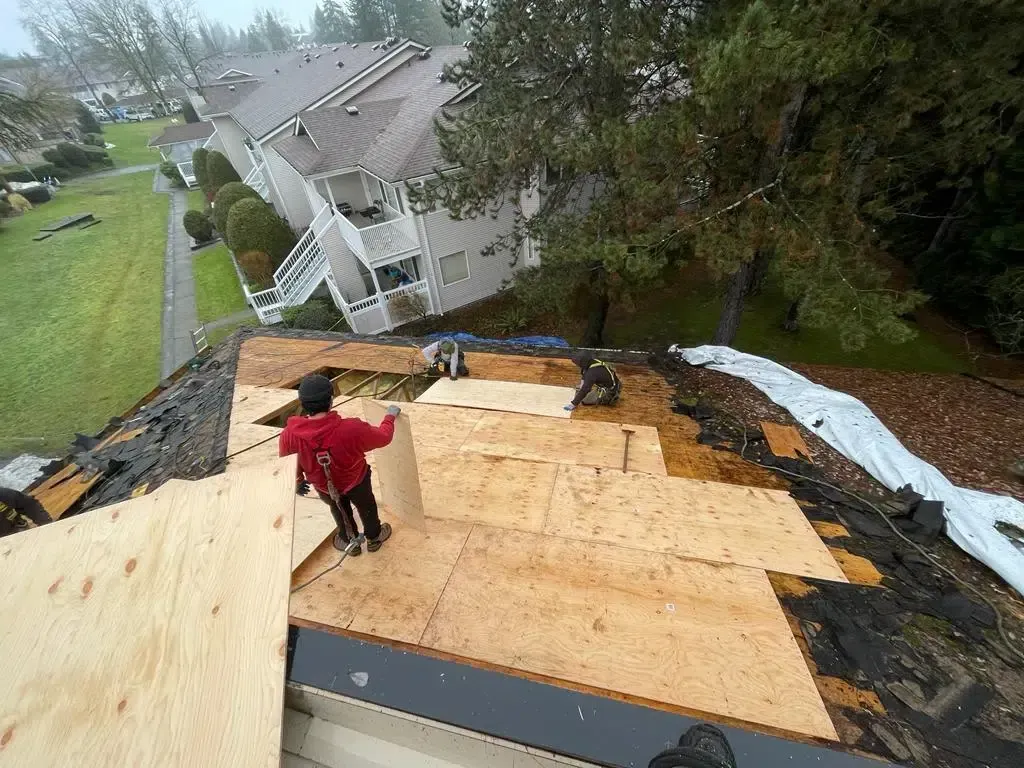
Remember, if you are unsure about any aspect of the installation process, it is always best to consult with a professional roofer to ensure the job is done correctly and to avoid any potential safety risks or costly mistakes. The image above illustrates proper roof installation techniques and showcases a well-executed roofing project.
Roof Maintenance: Essential Tips for Longevity
The roof of your home needs periodic maintenance to achieve its full lifespan while keeping its structural framework intact. The lifespan of your roof will extend when you follow specific guidelines which include regular maintenance activities to avoid future expensive repair needs.
Inspecting the Roof
Performing regular roof inspections is essential to catch any issues early on and address them promptly. The roof requires two annual inspections which should take place in spring and fall to evaluate roof condition and identify potential problems that are emerging.
Regular roof inspections serve as a necessary process because they enable people to identify early signs of problems which can then be fixed right away. The inspection needs to show any signs of shingle damage or missing shingles together with all indications of roof cracking and water entry and sagging.
The inspection should focus on checking the flashing which protects chimneys and vents and skylights to verify their complete condition and correct sealing. Perform all required maintenance work to fix the reported problems or seek help from a professional roofer whenever needed.
Cleaning Gutters
Keeping your gutters clean is another important aspect of roof maintenance. The accumulation of debris in gutters creates water accumulation which results in damage to your roof and its supporting structures and your home foundation.
You should perform regular gutter cleaning to remove leaves and debris because this practice enables water to flow correctly while protecting your system from potential problems. The maintenance of gutters requires periodic removal of leaves and debris which blocks water flow to prevent system failures.
Consider installing gutter guards to minimize the accumulation of debris, reducing the frequency of gutter cleaning. Properly functioning gutters direct water away from your roof and help protect its structural integrity.
Detecting and Repairing Leaks
Leakages are one of the most common and concerning issues with roofs. You should identify and fix roof leaks right away because this action will stop the damage from spreading to your roof and your house.
Check your ceilings and walls and attic space for water stains because these signs usually point to roof leakage. The failure to detect and fix leaks immediately will result in increased damage to your roof and home.
You should start by checking the roof for any evidence of damage which includes missing or broken shingles and damaged flashing and deteriorated seals. The repair of small leaks becomes possible through roofing cement or sealant application but professional help becomes necessary for dealing with both major and persistent leaks.
Scheduling Professional Inspections
Homeowners should perform routine DIY checks but they should also hire certified roofing contractors to perform professional roof inspections. Professionals will conduct a complete roof inspection to detect all existing problems and they will suggest the right maintenance work or repair solutions.
A certified roofing contractor needs to conduct professional roof inspections to evaluate your roof's complete current condition. The requirement for expert roof inspections becomes necessary when your roof reaches its lifespan or when it faces extreme weather conditions.
The trained eye of experts enables them to identify initial signs of equipment deterioration which regular users cannot spot thus enabling you to stop significant system failures from occurring.
Roof Maintenance Checklist
| Roof Maintenance Task | Frequency |
|---|---|
| Inspecting roof for damage | Twice a year (spring and fall) |
| Cleaning gutters | At least twice a year, or as needed |
| Detecting and repairing leaks | As soon as a leak is detected |
| Scheduling professional inspections | Every 2-3 years, or as recommended |
By following these essential roof maintenance tips, you can proactively care for your roof and ensure its longevity. Your roof will stay in top shape while your home remains safe from damage through scheduled checks and correct maintenance and leak identification and expert roof evaluations.
Common Roofing Problems and Solutions
Homeowners who own their homes will need to handle different roofing issues which need urgent resolution. You need to handle these problems right away because they will otherwise cause additional harm to your roof structure while damaging its overall condition. The following section presents common roofing issues together with their corresponding solutions.
-
Damaged Shingles
One of the most noticeable roofing problems is damaged shingles. The elements of strong winds and hail storms together with natural roof aging process lead to shingle damage which results in cracks and curling and loose shingles.
The replacement of damaged shingles needs immediate attention because it helps stop water entry and stops the roof structure from deteriorating. If you have DIY roofing skills, you can replace the damaged shingles yourself. A professional roofer should handle your situation when you remain uncertain about the extent of your roof damage.
-
Leaks
Homeowners face a difficult situation when their roofs leak because these problems will damage buildings and create mold growth and structural problems when not fixed.
To locate a roof leak, inspect your attic for signs of water stains or dripping during heavy rain. The main reasons which cause leaks include damaged or absent shingles and broken flashing and vents and chimneys that lack proper sealing.
The process of fixing leaks needs trained professionals to perform complete repairs which will stop water from entering the system again.
-
Moss Growth
You should take immediate action when you observe moss or algae growth on your roof. The presence of moss on your roof creates two major problems because it holds water which speeds up shingle deterioration.
To remove moss, carefully brush it off using a soft bristle brush and a moss-killing solution. Ensure your gutters are clean and free from debris that may contribute to moss growth. Regular roof maintenance, such as trimming overhanging tree branches, can also help prevent moss growth.
-
Ice Dams
The formation of ice dams becomes a major problem which affects cold weather regions throughout their winter seasons. The formation of ice dams happens when attic warm air melts roof snow which then freezes at the eaves to create ice dams.
The dams create obstacles for water to drain properly which results in roof water entry that produces destructive effects. The prevention of ice dams requires you to maintain proper attic insulation and ventilation which will help you achieve a steady temperature.
The process of removing snow from roof surfaces following major snowfall events helps stop ice dams from developing.
To better understand these common roofing problems and their solutions, here is a visually engaging table:
| Roofing Problem | Solution |
|---|---|
| Damaged Shingles | The homeowner needs to replace their damaged roof shingles right away. Hire a professional roofer for extensive damage. |
| Leaks | Locate the source of the leak. The process requires fixing all damaged areas which include shingles and flashing and seals. A professional roofer should be consulted for complete roof repair services. |
| Moss Growth | The removal of moss requires a soft brush to work with a moss-killing solution. Maintain a clean roof and trim overhanging tree branches. |
| Ice Dams | Ensure proper attic insulation and ventilation. The roof requires snow removal when snow accumulates to significant levels. |
By addressing these common roofing problems in a timely manner, you can maintain the longevity of your roof and prevent costly repairs down the line. You should contact a professional roofer whenever you feel uncertain about performing any of these tasks by yourself.
Energy Efficiency and Roofing
The selection of roofing materials together with their installation methods determines how well your home will conserve energy. Your home will achieve better energy efficiency through proper roofing material selection and installation techniques which will lead to reduced heating and cooling costs in the long run.
The roof's insulation system functions as the main factor which determines how well a building can achieve energy efficiency. The correct installation of insulation materials blocks winter heat from escaping while it blocks summer heat from entering which results in decreased usage of heating and cooling systems and subsequently decreases overall energy usage.
Choose Energy-Efficient Roofing Materials
The first step involves choosing roofing materials which provide superior thermal insulation capabilities. Some popular energy-efficient options include:
- Reflective roof coatings that minimize heat absorption
- The product consists of asphalt shingles which have reflective granules for high-quality performance.
- Metal roofing with adequate insulation layers
- Green roofs serve two purposes by offering natural insulation and cooling benefits.
By opting for these materials, you can help regulate the temperature inside your home and reduce the need for excessive heating or cooling.
Proper Roof Installation for Energy Efficiency
However, choosing energy-efficient roofing materials alone is not enough. The correct installation methods play an equal role with other factors to achieve maximum energy efficiency. Here are some roof installation tips to consider:
- The system requires a secure seal to stop air from escaping through all its connected parts including joints and seams and edges.
- The installation requires proper underlayment materials which provide better insulation properties and protect against moisture penetration.
- The installation of roof vents or ridge vents should be considered because they help with air circulation and stop water from accumulating.
- Work with a professional roofer who understands energy-efficient installation practices.
Implementing these installation tips will help maximize the energy efficiency benefits of your chosen roofing materials.
By investing in energy-efficient roof materials and employing proper installation practices, you can make a significant difference in reducing your energy consumption and lowering your utility bills. The situation brings advantages to your financial resources and the natural environment.
The Importance of Proper Ventilation in Roofing Systems
Proper ventilation is a critical aspect of roofing systems that should not be overlooked. The system functions as an essential component which protects roofs from damage while providing comfort to people who live in their homes.
By effectively managing airflow, proper ventilation can significantly impact the lifespan of your roof and protect it from potential damages caused by moisture buildup.
When it comes to DIY roofing, understanding the importance of ventilation is crucial. The correct ventilation methods which you apply during installation or repair work will lead to better roofing system operation and extended system lifespan.
Your roof will develop multiple problems when ventilation systems operate without sufficient airflow.
- Premature deterioration of roofing materials due to excessive heat
- The environment develops mold and mildew growth because water accumulates in the space.
- The system requires more power which leads to higher electricity costs.
- The system fails to distribute air effectively which results in stagnant air that creates uncomfortable conditions.
To prevent these problems, it is essential to ensure proper airflow throughout your roofing system. The goal of ventilation system balance can be reached by uniting intake vents with exhaust vents which should be positioned for optimal performance.
The intake vents of the system bring fresh air into the attic space while exhaust vents function to extract hot air and moisture from the area.
The attic environment needs proper ventilation to maintain its optimal state which protects your roof from damage and your home from potential harm according to Sarah Johnson who works as a roofing expert at XYZ Roofing Company.
“A professional needs to be consulted for determining the appropriate ventilation solution which matches your particular roofing system requirements. A well-ventilated roof not only promotes the longevity of your roof but also contributes to the overall energy efficiency of your home. Your HVAC system operates more efficiently through this feature which decreases your expenses for heating and cooling.”
Remember, proper ventilation in roofing systems is crucial for maintaining a healthy and functional roof. Your roof will stay in its best state while providing the best possible home comfort through proper ventilation management during your DIY roofing work or by seeking expert help for installation or repair.
Understanding Roof Warranties
Your property investment receives vital protection through roof warranties which also guarantee you will maintain complete trust in your purchase. Understanding the terms and coverage of a roof warranty is essential for homeowners. The following section explains roof warranties and their role in helping you choose between different roof installation options.
What Do Roof Warranties Cover?
A complete roof warranty provides roof protection through its guarantee of both material quality and workmanship excellence which lasts for a specified period of time. The warranty period for roofing materials depends on both the particular material type and the company which produced it. The warranty system provides customers with protection against particular problems which include water leaks and extreme weather-related damage to their products.
It's crucial to carefully review the warranty documentation to understand what is included in the coverage.
Duration and Types of Roof Warranties
The duration of roof warranties extends from 10 years to 30 years but premium roofing materials may qualify for longer extended warranty coverage. The duration of the warranty depends on the material and the manufacturer's terms.
Homeowners should select roofing materials which offer extended warranty coverage because manufacturers back their products with such guarantees to prove their durability.
In addition to standard manufacturer warranties, some roofing contractors may also offer their own workmanship warranties. The warranties ensure proper execution of installation work and roof installation through their protection of both processes which follow industry standards and best practices.
Navigating Warranty Terms and Conditions
Reading and understanding the terms and conditions of a roof warranty is crucial to ensure you comply with any requirements for maintaining the warranty validity.
The requirements specify that roof inspections must occur according to schedule while maintenance work needs proper execution and all repair and modification tasks require authorization.
Review warranty documents to determine which items lack protection because this information will help you determine the total amount of available protection. Being aware of these details will help you make an informed decision about your roofing project.
A roof warranty maintains its value based on the strength of the company which supports it. Select trustworthy roofing materials together with professional installation services because they will provide you with a solid warranty protection that defends your financial investment throughout multiple years.
| Roofing Material | Warranty Duration | Additional Coverage |
|---|---|---|
| Asphalt Shingles | 10-30 years | The policy section should address both situations which include roof leaks and wind damage to buildings. |
| Metal Roofing | 20-50 years | Durability and performance guarantee |
| Clay Tiles | 50+ years | The structure demonstrates three main resistance capabilities which protect it from fire and wind and impact forces. |
| Slate Roofing | 75+ years | Longevity and natural beauty |
The protection of your investment depends on roof warranty knowledge because it provides you with roof reliability throughout multiple years. The warranty protection will be complete when you use high-quality materials together with professional installation services and perform a thorough evaluation of the warranty.
Roofing Safety: Tips and Guidelines
Safety should always be a top priority when it comes to any roofing project. Homeowners who want to install their roof by themselves need to follow safety rules which also apply to people who choose to hire professional roofers for their project.
The following list includes essential safety guidelines which roofers should follow during their work.
Use Protective Gear
The correct protective equipment needs to be worn by roof workers because it provides essential safety protection during their work. This includes:
- Safety helmet or hard hat
- Safety glasses or goggles
- Gloves
- Non-slip shoes or boots
- The reflective vest or clothing serves as a visibility-enhancing tool.
The correct protective equipment helps users avoid head injuries and eye injuries and hand injuries and prevents them from slipping or falling.
Ensure Ladder Safety
Using a ladder is often necessary when working on a roof. To ensure ladder safety:
- Select a ladder which provides both strength and weight capacity for your body.
- The ladder needs to rest on a level surface which provides solid support.
- The ladder needs to be secured at its top point to stop it from moving.
- Always maintain three points of contact (two feet and one hand or two hands and one foot) when climbing or descending the ladder.
- Avoid overreaching or leaning to one side while on the ladder.
Precautions for Working on Steep Roofs
The process of working on steep roofs creates new safety threats for workers. If you need to work on a steep roof:
- Safety harnesses and roof anchors should be used to stop workers from falling during their work activities.
- A partner should help you during ground work to assist you and protect your safety.
- Avoid working on a steep roof during adverse weather conditions, such as rain, wind, or snow.
The process of roof installation on steep roofs requires professional roofers who possess both safety equipment and necessary expertise because it remains dangerous for inexperienced people.
The safety guidelines help you reduce roofing project dangers which lead to successful and safe completion of your work.
Common Roofing Safety Equipment
| Protective Gear | Description |
|---|---|
| Safety Helmet | A hard hat to protect the head from falling objects or impacts. |
| Safety Glasses or Goggles | Eyewear that shields the eyes from debris, dust, or chemical splashes. |
| Gloves | The protective gloves serve two functions because they help users maintain a secure grip while they protect their hands from possible cuts and injuries. |
| Non-Slip Shoes or Boots | The design of footwear with traction features helps users maintain stability while walking on dangerous slippery areas. |
| Reflective Vest or Clothing | The workplace requires high-visibility clothing which serves two purposes to improve employee safety and their ability to be seen during periods of reduced illumination. |
Signs That Your Roof Needs Repair or Replacement
To ensure the longevity of your roof and maintain the integrity of your home, it’s essential to be aware of signs that indicate your roof may need repair or replacement.
You need to solve these problems right away because they will otherwise lead to additional damage that will require expensive maintenance work. People should watch for these typical indicators.
- Missing or Damaged Shingles: The process requires you to check your roof periodically to detect any missing or damaged shingles. Broken or curling shingles can expose your roof to water damage and compromise its ability to protect your home.
- Water Stains: Water stains on your ceiling or walls are clear indicators of a leak in your roof. The stains create discolored areas which sometimes produce a musty smell.
- Sagging Areas: The presence of sagging areas on your roof surface indicates possible structural problems with your roof.
- Your energy costs will rise when your roof deteriorates because it creates poor insulation which leads to higher utility expenses.
- Excessive Granule Loss: The aging process of shingles results in granule loss which produces coarse sand deposits that accumulate in gutters and around your home perimeter.
You should take immediate action whenever you observe any of these warning indicators. A professional roofer should be contacted to determine the full extent of damage and perform required repairs or suggest a new roof installation when necessary.
You must inspect roof damage right away because ignoring these issues will result in major roof deterioration which threatens your home's safety and its ability to serve as a comfortable space.
Expert Quote: Your roof will extend its lifespan when you conduct regular inspections and address all necessary repairs right away. Early detection of these warning signs helps prevent costly maintenance work which will be needed in the future. -John Smith, Certified Roofing Expert
The Cost of Roofing: Budgeting Tips and Factors to Consider
Homeowners who want to do roofing work must deal with the challenge of limited financial resources. The process of planning roof repairs or replacements needs detailed analysis of all related expenses which affect your financial situation.
The following list includes essential budgeting advice together with important elements to think about for achieving success in your roofing project.
Obtaining Multiple Quotes
Obtaining multiple quotes from different roofing contractors is a crucial step in budgeting for your roofing project. The process enables you to evaluate the prices and services and complete value packages which each contractor provides.
The request should include complete quotes which explain all work details and show all materials and labor expenses and every extra cost involved.
Assessing Cost Factors
Several factors can influence the cost of a roofing project. The understanding of these elements helps you estimate expenses which you can apply to select better options.
- Type of roofing material: Different roofing materials vary in cost. The cost of asphalt shingles remains lower than metal and slate roofing materials.
- Roof size and complexity: The size and complexity of your roof affect the overall cost.
- Additional services: The total cost of your roof repair will increase when you need to perform additional services which include roof deck repairs and insulation replacement and chimney work.
Understanding Payment Options
The costs for roofing work can become quite substantial. People can decrease their financial costs because they understand they have various payment options available to them.
- The project requires borrowers to pay their loans immediately from their personal savings because this method allows them to avoid paying interest on their loans or credit card debt.
- Roofing loans: Some lenders provide home improvement financing options which include roofing loan products.
- Home equity line of credit (HELOC): A HELOC allows you to borrow against the equity in your home.
- Financing through the roofing company: Many roofing contractors offer financing options to help homeowners manage the cost of their projects.
The effective planning of your roofing project becomes possible through thorough evaluation of these budgeting tips and factors which help you match your financial resources to your project needs.
Cost Comparison of Common Roofing Materials
| Roofing Material | Estimated Cost per Square Foot | Durability | Advantages |
|---|---|---|---|
| Asphalt Shingles | $1.50 - $5 | 15-25 years | Most affordable option, vast range of colors/styles |
| Metal Roofing | $5 - $15 | 40-70 years | Highly durable, energy-efficient, low maintenance |
| Clay Tiles | $10 - $20 | 50-100+ years |