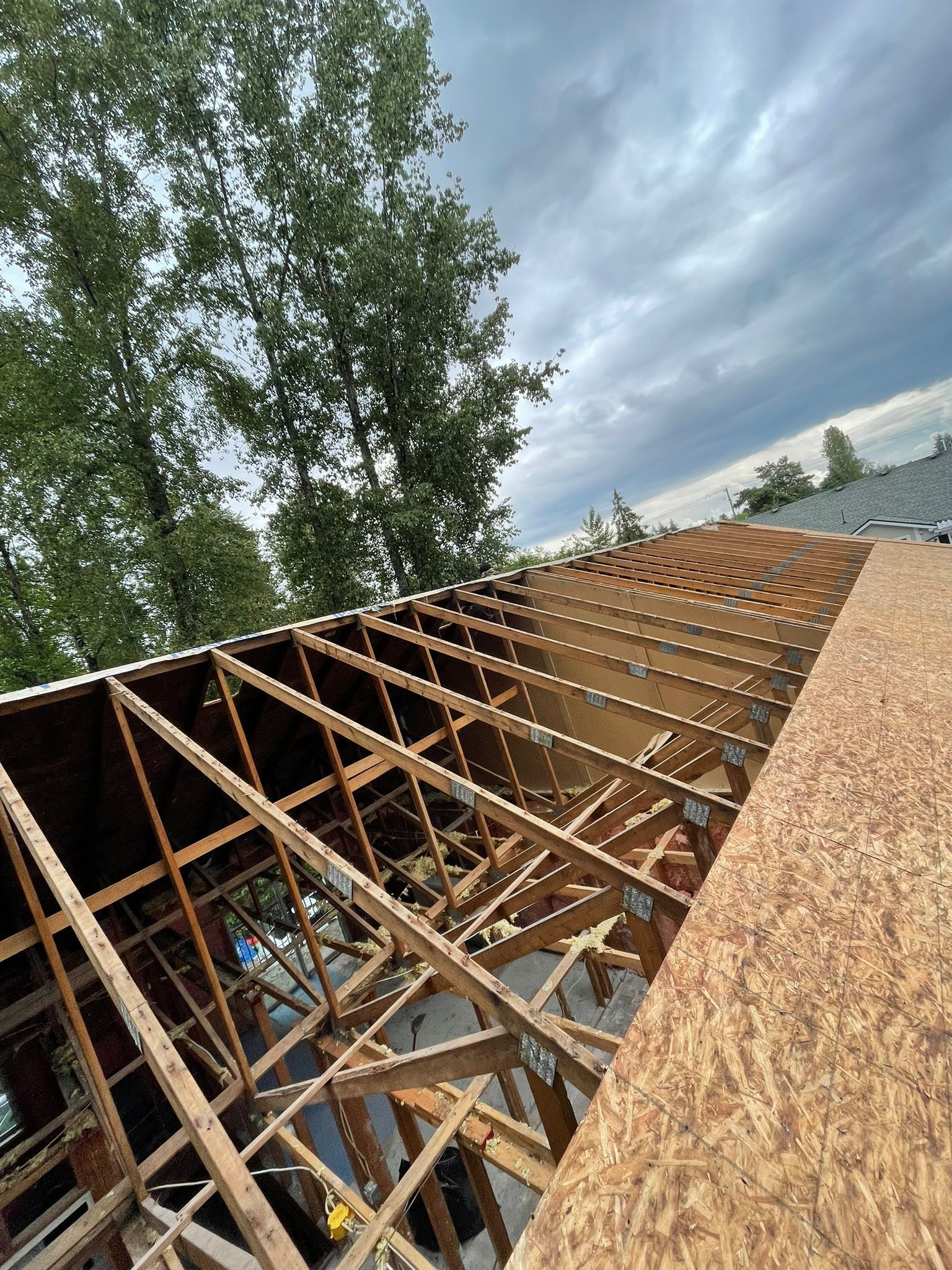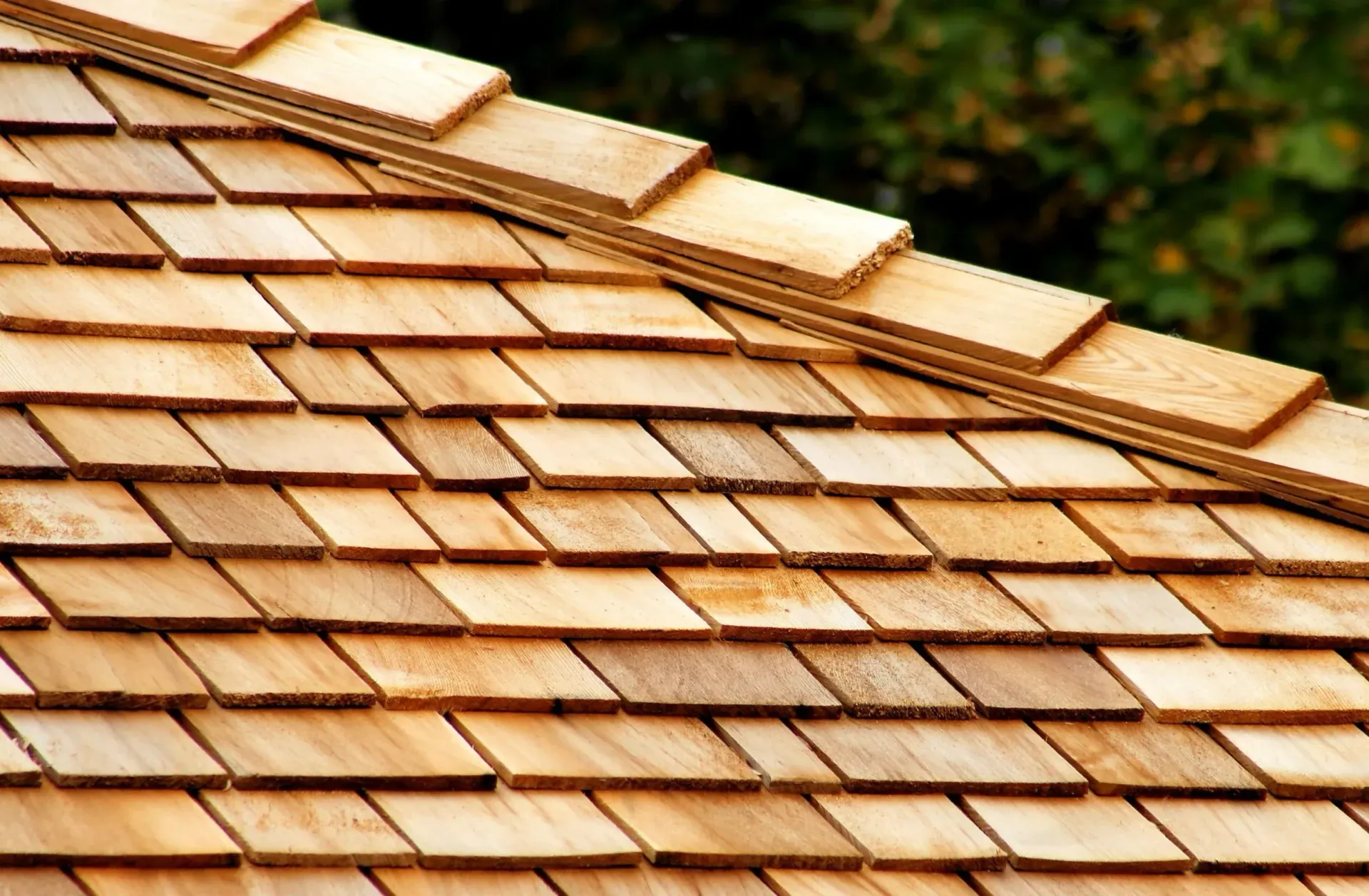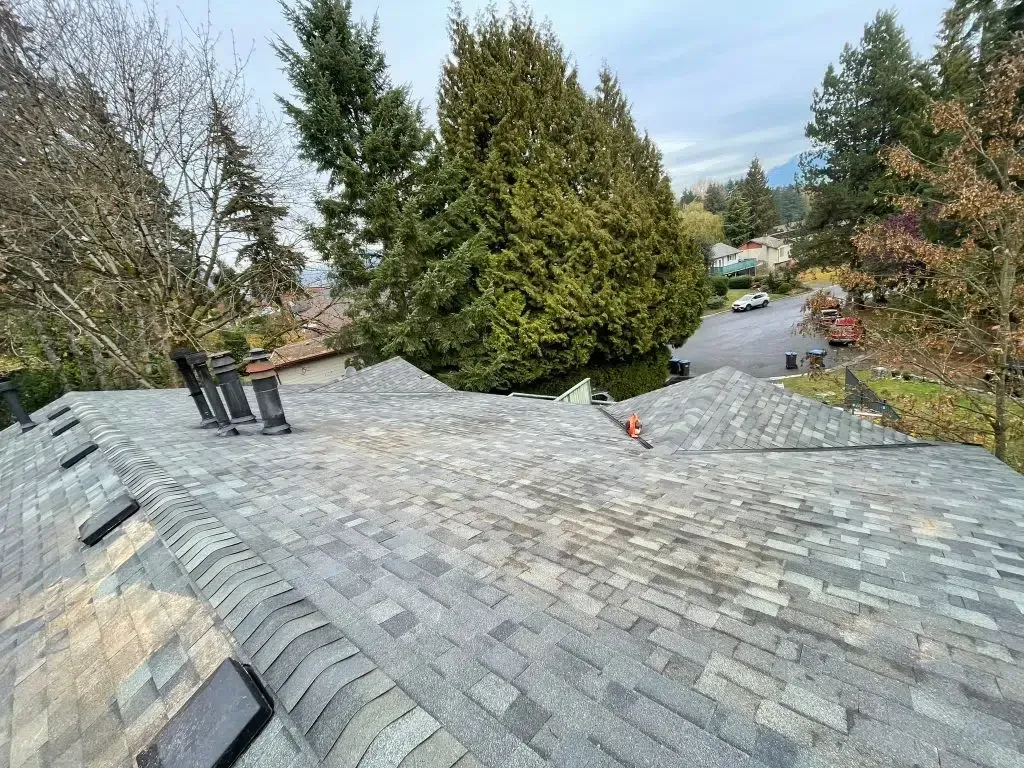
Roofing insulation: boost comfort and efficiency in BC
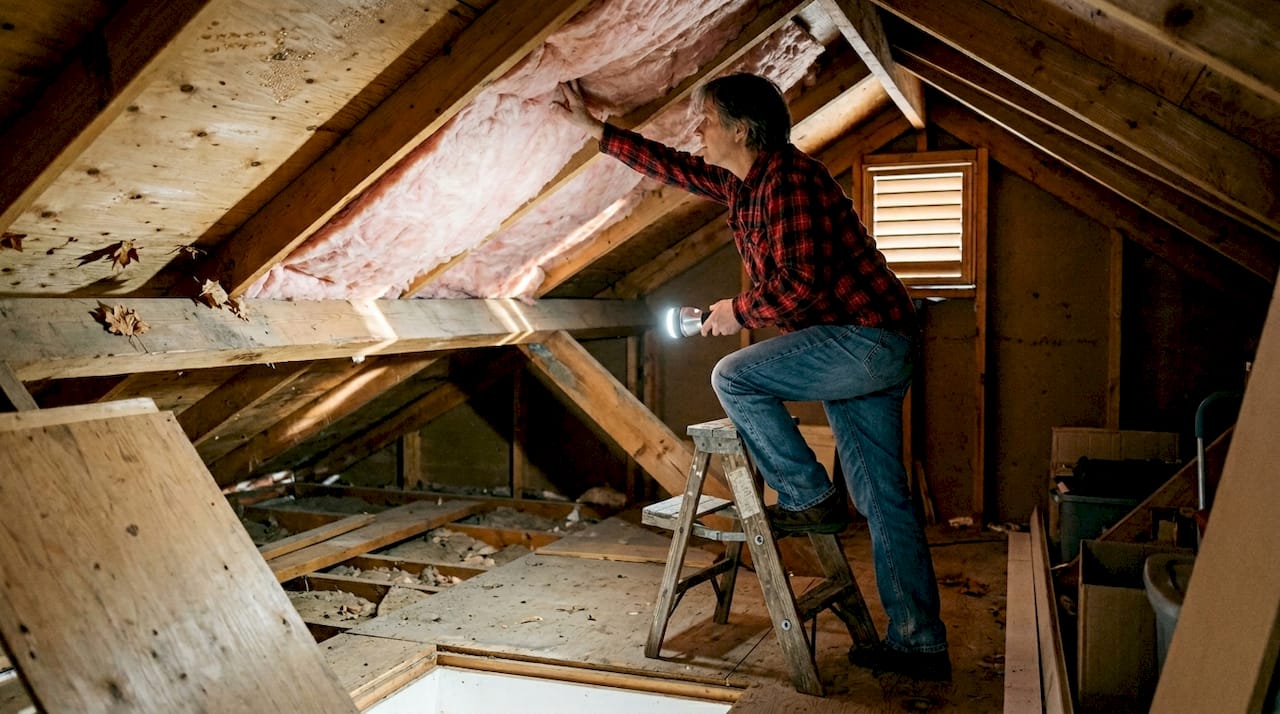
Many BC homeowners believe that piling on thick insulation is all it takes to stop heat loss. The reality is more layered. Effective roofing insulation is your home’s first line of defence against costly energy bills, moisture damage, and uncomfortable rooms, but it only works when air sealing, vapour control, and ventilation are part of the picture too. Roofing insulation can improve energy efficiency by 4 to 30% depending on your home type and upgrade level, but only when the full system is done right. This guide breaks down exactly what BC homeowners need to know.
Table of Contents
- Why roofing insulation matters in British Columbia
- How roofing insulation works: The basics
- Choosing the right insulation: Types, R-values, and local codes
- Common mistakes and expert tips for BC homeowners
- Beyond insulation: Rebates, upgrades, and lifecycle value
- Upgrade your roof insulation with trusted BC pros
- Frequently asked questions
Key Takeaways
| Point | Details |
|---|---|
| Insulation alone isn’t enough | Proper roofing insulation in BC must include air sealing, vapour barriers, and ventilation to protect your home. |
| BC climate demands more care | Wet coastal weather means effective insulation prevents both energy loss and dangerous moisture buildup. |
| Target high R-values | Aim for R-42 or higher in attics and combine with pro installation for best results. |
| Consider timing and rebates | The best time to upgrade insulation is during roof replacement, and grants can cut your cost significantly. |
| Expert help matters | Get a trusted local pro for complex jobs like cathedral ceilings to avoid hidden damage. |
Why roofing insulation matters in British Columbia
British Columbia’s marine climate is unlike most of Canada. Wet winters, mild temperatures, and persistent humidity create the perfect conditions for moisture to creep into poorly insulated roofs. That moisture doesn’t just make your home feel cold and clammy. It feeds mould, rots structural timbers, and quietly destroys your roof from the inside out.
Getting insulation right in BC means protecting against more than just cold air. Roofing insulation improves efficiency by 4 to 30% and directly addresses moisture and mould concerns that are especially common in coastal climates. Choosing the right roofing materials in BC also plays a role in how well your insulation performs over time.
Here’s what proper roofing insulation delivers for BC homeowners:
- Lower energy bills: Reduced heat loss means your furnace and heat pump work less.
- Stable indoor temperatures: No more cold spots near exterior walls or ceilings.
- Extended roof life: Controlled moisture means less rot, fewer repairs, and a longer-lasting roof.
- Mould prevention: Proper vapour and air control stops condensation before it starts.
- Improved comfort year-round: Insulation keeps heat in during winter and out during summer.
“A poorly insulated roof in BC doesn’t just cost you money in heating bills. It creates a slow-moving moisture problem that can compromise your entire roof structure before you even notice it.”
Skipping proper insulation in BC’s climate isn’t just an energy issue. It’s a structural risk.
How roofing insulation works: The basics
Insulation’s core job is to slow the movement of heat. Heat always moves from warm areas to cold ones, and in winter, that means your heated indoor air is constantly trying to escape through your roof. The measure of how well insulation resists that flow is called the R-value. The higher the R-value, the better the resistance.
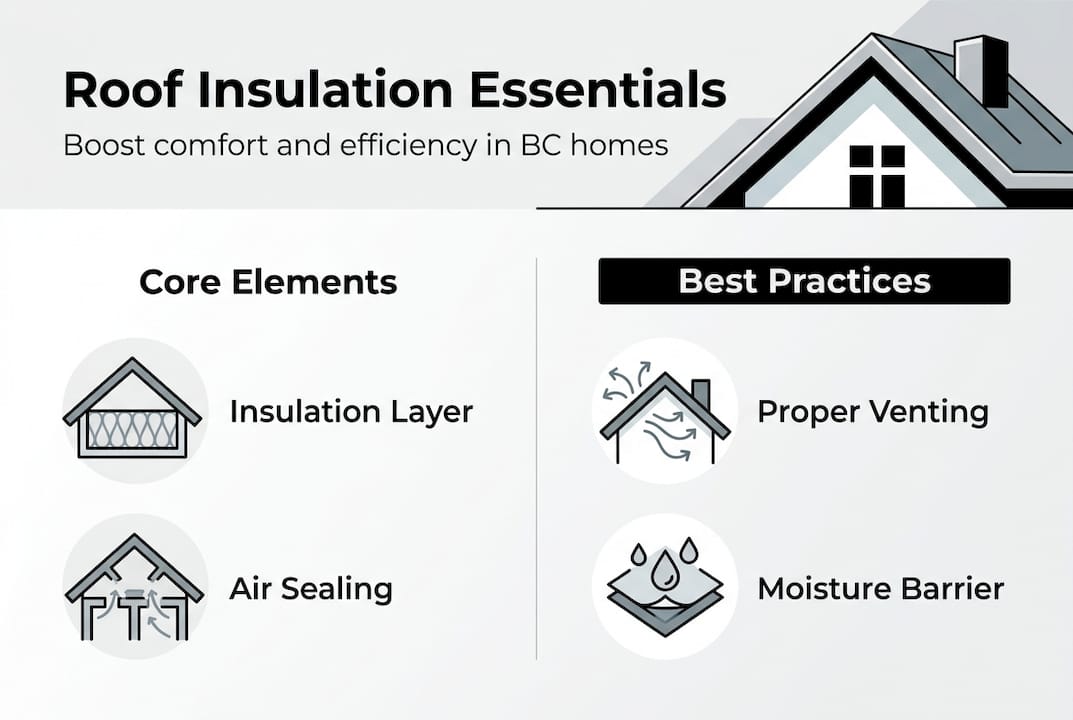
But R-value alone doesn’t tell the whole story. Insulation resists heat flow through R-value, but air sealing and vapour barriers stop leaks, and proper ventilation (at a minimum 1/300 NFA ratio) is essential to remove moisture from attic spaces. Think of it this way: insulation is the blanket, air sealing is the zipper, and ventilation is the fresh air that keeps things healthy underneath.
Here’s how the four elements work together:
- Insulation (R-value/RSI): Slows heat transfer through the roof assembly.
- Air sealing: Blocks gaps and penetrations where warm, moist air escapes into the attic.
- Vapour barrier: A membrane that prevents moisture-laden air from condensing inside the roof layers.
- Ventilation: Moves damp air out of the attic space, keeping the structure dry.
All four must work together. Skipping any one of them undermines the others.
| Element | What it does | What happens without it |
|---|---|---|
| Insulation | Slows heat loss/gain | High energy bills, cold rooms |
| Air sealing | Stops air leakage | Insulation loses effectiveness |
| Vapour barrier | Blocks moisture migration | Condensation, rot, mould |
| Ventilation | Removes damp air | Moisture buildup, structural damage |
For a deeper look at R-values and ventilation specific to Vancouver’s climate, or to understand insulation in Vancouver more broadly, these resources cover the local standards in detail. You can also learn why roof ventilation in wet climates is a non-negotiable part of any BC roof system.
Pro Tip: Before adding more insulation, have a contractor check your attic for air leaks around pot lights, plumbing stacks, and attic hatches. Sealing those gaps first makes every dollar of insulation work harder.
Choosing the right insulation: Types, R-values, and local codes
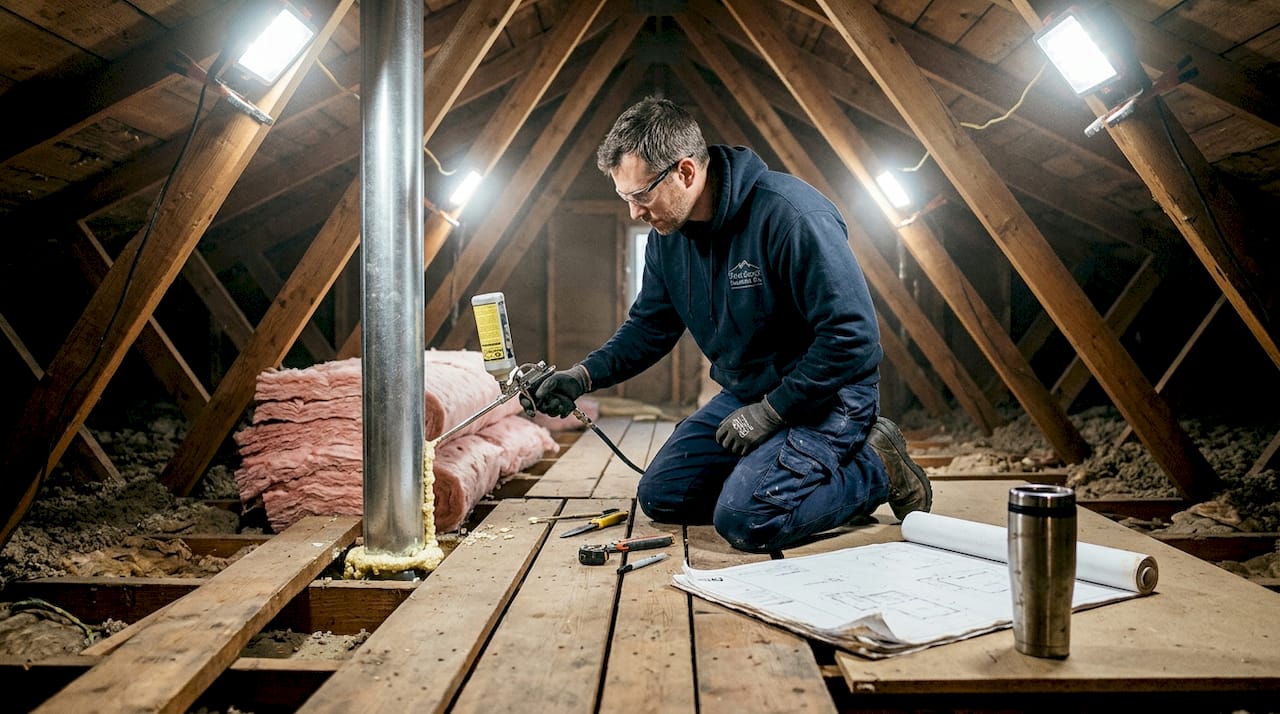
Not all insulation is created equal, and BC’s building codes set clear minimums that every homeowner should know. For Climate Zone 4, which covers most of coastal BC including Vancouver, the minimum attic R-value is R-42 to R-44, with R-50 to R-60 recommended for best performance. Cathedral and flat roofs require a minimum of R-31.
Here’s a comparison of the most common insulation types used in BC:
| Type | R-value per inch | Best for | Key consideration |
|---|---|---|---|
| Batt (fibreglass/mineral wool) | R-3 to R-4 | Open attics, standard framing | Easy DIY but gaps reduce performance |
| Blown-in (cellulose/fibreglass) | R-3.5 to R-4.3 | Attic top-ups, irregular spaces | Excellent coverage, professional install recommended |
| Spray foam (open/closed cell) | R-3.7 to R-6.5 | Cathedral ceilings, air sealing | High cost, requires fire protection layer |
| Rigid board (EPS/XPS/polyiso) | R-3.8 to R-6.5 | Flat roofs, exterior continuous | Durable, moisture-resistant, good for re-roofing |
For most BC attics, blown-in cellulose or fibreglass is a practical and cost-effective choice. It fills irregular spaces well and achieves high R-values without major structural changes. Spray foam is the gold standard for cathedral ceilings and flat roofs where air sealing and insulation must happen in the same layer.
Key things to keep in mind when choosing:
- Match the type to the roof assembly: Open attics, cathedral ceilings, and flat roofs each need a different approach.
- Meet code minimums first, then aim higher: R-42 is the floor, not the target.
- Factor in fire protection: Spray foam and rigid boards require a thermal barrier (usually drywall) per BC code.
- Consider moisture resistance: In BC’s wet climate, closed-cell spray foam and rigid board outperform fibreglass batts in high-moisture zones.
For a full breakdown of insulation standards in Vancouver, or to understand the multi-family benefits of roof insulation upgrades, both resources offer practical guidance.
Common mistakes and expert tips for BC homeowners
Even well-intentioned insulation upgrades can go wrong. The most common mistake BC homeowners make is adding more insulation without addressing air leaks first. More insulation over a leaky attic floor is like putting a thick blanket over a broken window. The heat still escapes, and now you’ve trapped moisture inside the roof assembly too.
Cathedral ceilings require professional installation for proper air and vapour barriers, and foamed plastics in these assemblies must have a fire protection layer. This is not a DIY project. Getting it wrong can void your home insurance, fail a building inspection, and cause thousands of dollars in hidden moisture damage.
Here are the most important mistakes to avoid:
- Skipping air sealing: Always seal before you insulate. No exceptions.
- Blocking soffit vents: Insulation must never cover soffit vents or restrict airflow to the ridge.
- Ignoring vapour barriers: In BC’s climate, a proper vapour barrier on the warm side of the insulation is essential.
- DIY on complex assemblies: Cathedral ceilings, flat roofs, and green roofs need a professional.
- Choosing the cheapest option: Low R-value or poorly installed insulation costs more in the long run.
For homes preparing for BC’s rainy season, weatherproofing for winter is a smart companion step to any insulation upgrade. And if you want to understand the full picture of roofing energy savings in Vancouver, that resource ties insulation into the broader efficiency story.
Pro Tip: If your home was built before 1990, assume the attic insulation is under-performing. Older homes rarely meet today’s R-42 minimum, and a top-up can pay for itself within a few years through reduced heating costs.
Beyond insulation: Rebates, upgrades, and lifecycle value
The good news for BC homeowners is that you don’t have to pay for insulation upgrades entirely out of pocket. Federal grants up to $5,000 for roof insulation are available through the Canada Greener Homes Initiative, and upgrades during re-roofing can boost whole-home efficiency by 4 to 8%. BC Hydro and CleanBC also offer rebates that stack with federal programmes.
Here’s how to make the most of available support:
- Book an EnerGuide assessment first: This is required to qualify for federal grants and gives you a baseline for your home’s energy performance.
- Time upgrades with re-roofing: Adding insulation when your roof is already open for replacement is the most cost-effective approach.
- Stack your rebates: Federal grants, BC Hydro retrofit programme rebates, and CleanBC incentives can be combined.
- Keep records: Save all invoices and contractor certifications. You’ll need them for grant applications.
- Plan for ROI: Most BC homeowners see a return on insulation investment within 5 to 10 years through energy savings alone.
Pairing your insulation upgrade with efficient roofing materials can push those savings even further. Metal roofing, for example, reflects solar heat in summer and pairs well with high-R insulation assemblies for year-round performance.
The lifecycle value of a properly insulated roof goes beyond energy bills. It protects your structure, extends the life of your roofing materials, and keeps your home comfortable for decades. That’s a return worth investing in.
Upgrade your roof insulation with trusted BC pros
Knowing what your roof needs is one thing. Getting it done safely, correctly, and to code is another. At Paragon Roofing BC, we work with homeowners across British Columbia to assess, plan, and install roofing insulation systems that actually perform in our climate.
Our roof installation experts understand BC’s building codes, climate zones, and the specific challenges of coastal and interior roofing. Whether you need a full re-roof with upgraded insulation or a targeted roof assessment and repairs to find where your current system is failing, we can help. We offer free inspections to get you started, so you know exactly what you’re working with before spending a dollar. Reach out today and let’s make sure your roof is working as hard as your home deserves.
Frequently asked questions
What R-value is best for attics in BC homes?
Aim for at least R-42 to R-44 as a minimum for BC’s Climate Zone 4, but R-50 or above is recommended for optimal comfort and energy savings.
Does adding more insulation guarantee lower heat bills?
Not always. Insulation must be combined with proper air sealing and ventilation to deliver full energy savings and prevent moisture problems.
When is the best time to upgrade roof insulation?
During a roof replacement or major repair is ideal, since the roof assembly is already open and insulation upgrades yield 4 to 8% whole-home efficiency gains at that stage.
Are there rebates for upgrading roof insulation in BC?
Yes. Federal grants up to $5,000 are available for roof insulation, and BC Hydro and CleanBC rebates can be stacked on top for additional savings.
Should I insulate cathedral ceilings myself?
No. Cathedral ceilings require professional installation to ensure proper air and vapour barriers are in place and to avoid costly moisture trapping and code violations.