Residential Roofing in Vancouver: Materials, Costs & How Long They Last

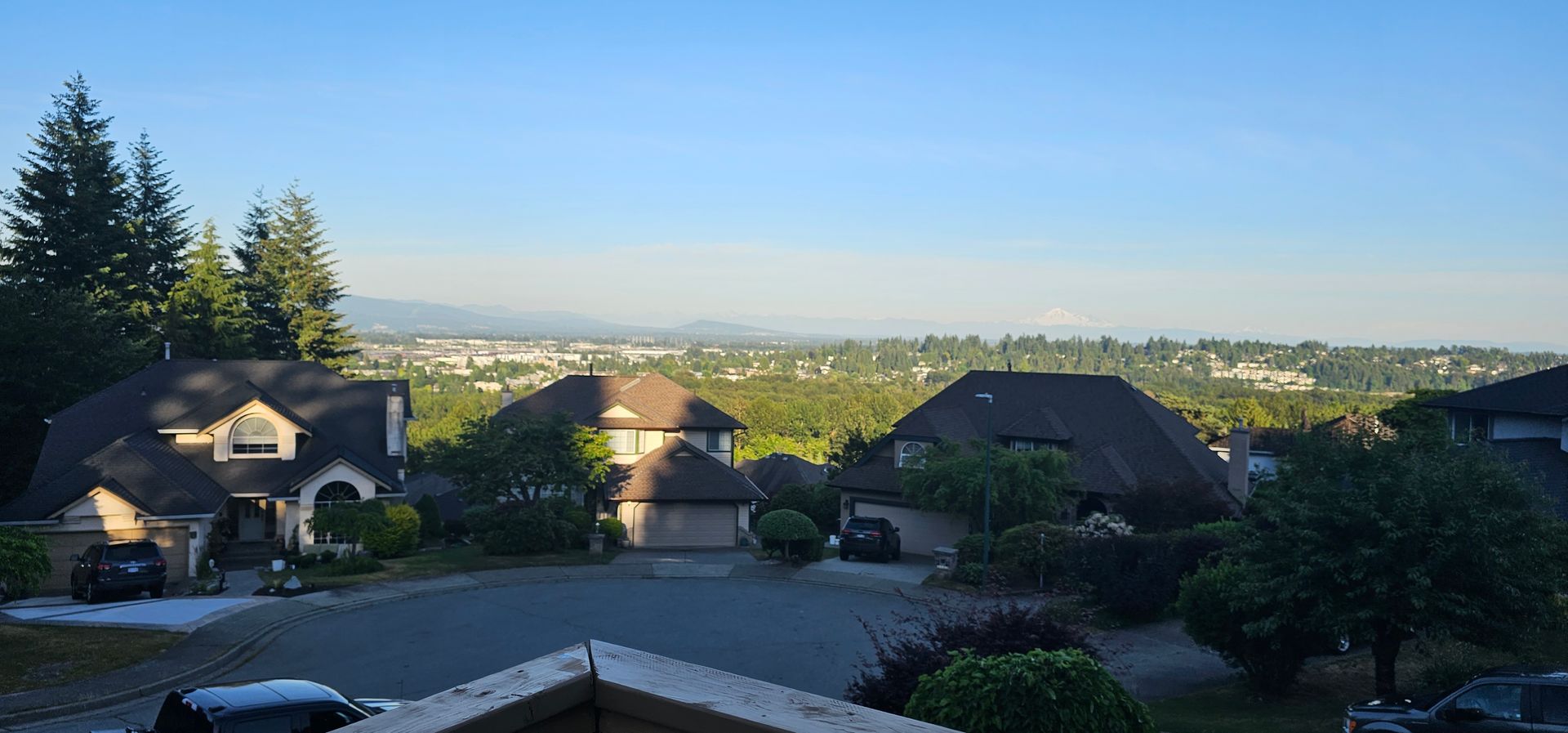
Residential roofing in Vancouver requires understanding how our coastal climate affects material performance and lifespan. With 1,189mm annual rainfall spread across 170 precipitation days, roofing systems experience persistent dampness rather than the intermittent exposure found in interior regions. This constant moisture accelerates deterioration, promotes biological growth, and shortens typical roof lifespans by 20-30% compared to drier climates.
What Vancouver Homeowners Need to Know About Residential Roofing
How Vancouver's Climate Affects Residential Roofs
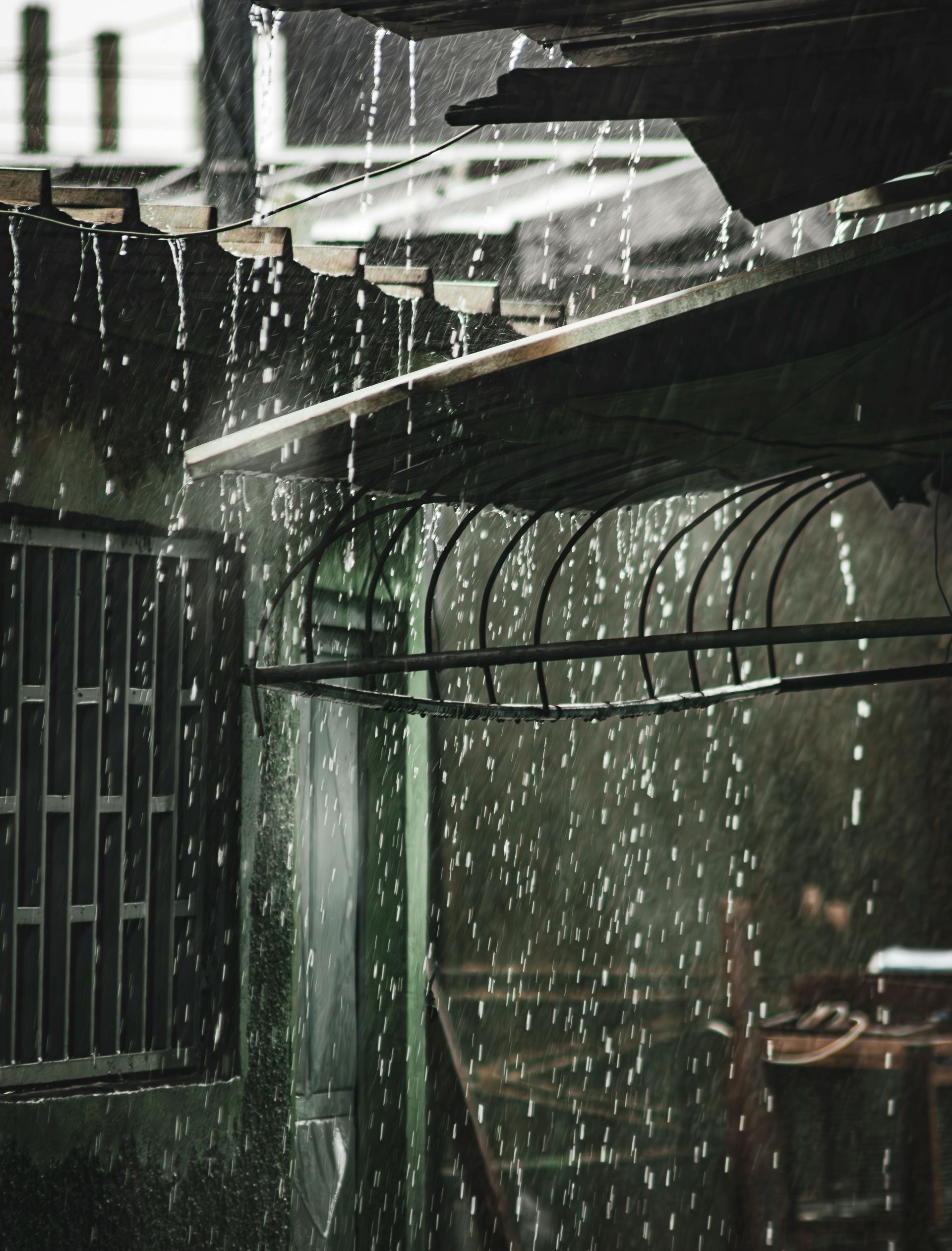
Rain, Moisture & Leak Risks
Flashing failures: Metal flashings at chimneys, walls, skylights, and penetrations deteriorate faster in constant moisture. Galvanized steel flashings corrode in 15-25 years versus 30-40 years in dry climates. Caulk-sealed installations (common in older homes) fail within 5-10 years as sealants degrade from UV and moisture exposure.
Skylight vulnerabilities: Curb flashings around skylights experience concentrated water flow during rainfall. Improper installation or aged materials allow water infiltration around perimeters. Condensation inside skylights (often misidentified as roof leaks) indicates inadequate ventilation rather than water intrusion.
Valleys and penetrations: Roof valleys where two planes meet concentrate water flow, testing flashing integrity. Penetrations for vents, pipes, and equipment create potential leak points requiring proper sealing and periodic inspection.
Moss, Algae & Organic Growth on Roofs
Why it's common in shaded neighborhoods: Properties in Dunbar, Kerrisdale, areas near Pacific Spirit Park, and heavily forested locations develop moss growth within 2-3 years on north-facing slopes. Persistent dampness combined with organic debris (leaves, needles) creates ideal conditions for biological colonization.
Long-term shingle damage: Moss doesn't just create aesthetic concerns. Root structures penetrate between granules, breaking the bond with the underlying asphalt. Moss holds moisture against surfaces, accelerating deterioration. Left untreated in shaded Vancouver properties, heavy moss growth can take many years off roof life, often forcing replacement a decade earlier than well-maintained systems.
Treatment requirements: Shaded properties require annual moss treatment costing $300-800, depending on roof size. This ongoing expense becomes part of the total ownership cost but extends the roof's lifespan significantly.
Wind & Seasonal Storm Damage
Lifted shingles: Vancouver's winter windstorms with 80-90 km/h gusts test shingle adhesion. Aging roofs with degraded seal strips experience blow-offs requiring emergency repairs. Architectural shingles with 110-130 mph wind ratings handle these events better than 3-tab products rated for 60-70 mph.
Loose flashing: Wind-driven rain during storms tests edge flashings, counter flashings, and penetration seals. Water finds infiltration pathways impossible during simple downward rainfall. Quality installation with proper fastening prevents most wind-related damage.
Professional roof repair addresses storm damage promptly, preventing secondary water infiltration and interior damage.
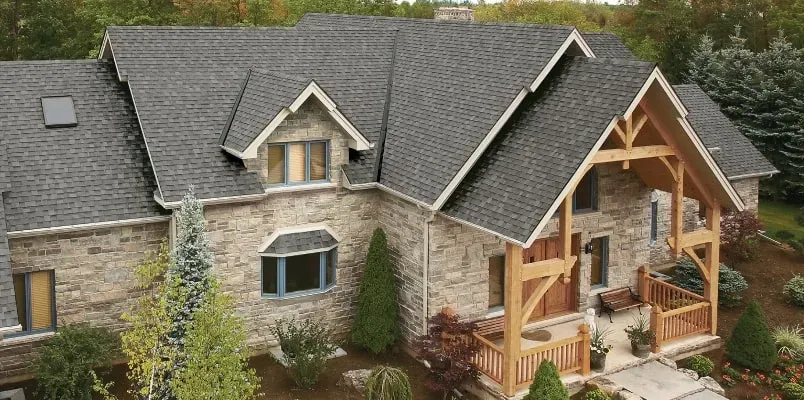
Common Residential Roofing Systems in Vancouver Homes
Different materials suit varying budgets, aesthetic preferences, and maintenance tolerances
Asphalt Shingle Roofing
Most common choice: Asphalt shingles remain the dominant residential roofing material in Vancouver, balancing affordability and adequate performance. Architectural (dimensional) shingles provide a 20-30 year lifespan with proper maintenance. 3-tab shingles achieve only 12-18 years due to thinner construction.
Performance in wet climates: Constant moisture accelerates granule loss, exposing underlying asphalt to UV damage. Seal strip adhesive degrades faster in dampness, reducing wind resistance after 15-20 years. Moss vulnerability on shaded properties requires ongoing treatment.
Cost-effectiveness: Initial investment ($11,000-19,000 for typical homes) provides an accessible entry point for most homeowners. Lifecycle costs considering 20-25 year replacement cycles make asphalt reasonable for moderate-term ownership (10-20 years).
Metal Roofing for Homes
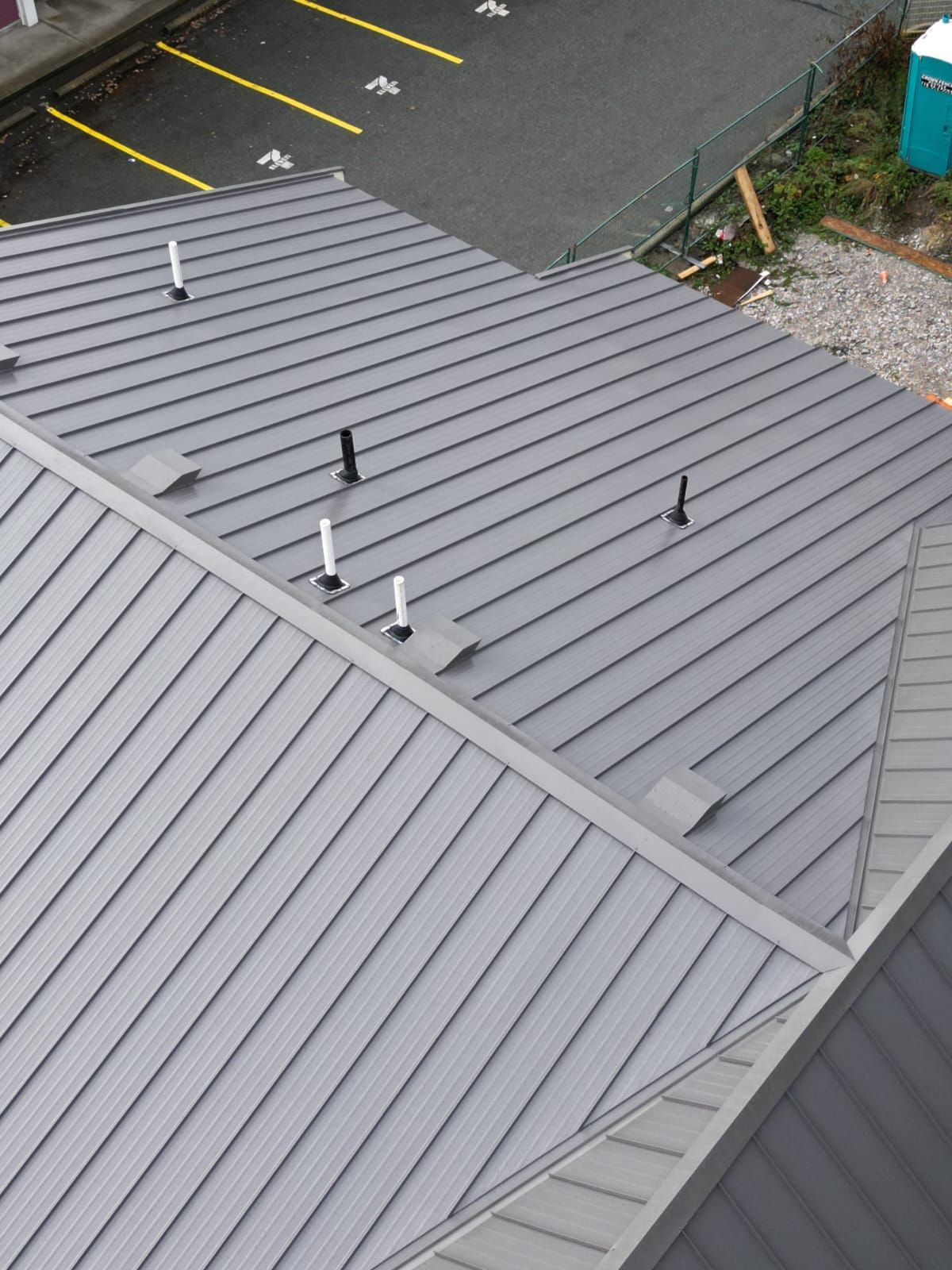
Longevity advantage: Standing seam or ribbed metal panels last 50-70 years with minimal maintenance. This extended lifespan avoids 2-3 replacement cycles required for asphalt over the same period.
Rain performance: Smooth surfaces shed water instantly without absorption. Interlocking seams create a superior weather barrier compared to individual shingles. Moss doesn't establish on non-porous metal surfaces, eliminating treatment costs.
Investment consideration: Higher upfront cost ($24,000-40,000) justified through extended service life for long-term homeowners (20+ years). Modern profiles replicate traditional shake or slate aesthetics, avoiding an industrial appearance.
Cedar Shake Roofing
Aesthetic value: Authentic West Coast appearance enhances heritage and character homes. Natural wood beauty commands a premium when matching neighborhood character in areas like Kitsilano, Mount Pleasant, or Shaughnessy heritage districts.
Maintenance requirements: Demanding ongoing care in Vancouver's wet climate. Annual treatments ($500-1,500), biannual inspections, and prompt repairs of split or damaged shakes. Without aggressive maintenance, the lifespan drops to 12-18 years versus a potential 25-30 years with excellent care.
Suitability assessment: Best for owners committed to regular maintenance, properties with good solar exposure (south/west-facing), and situations where aesthetics justify ongoing expense.
Low-Slope & Flat Roofs (Where Applicable)
Torch-on / membrane systems: Some Vancouver homes feature flat sections (additions, garages, modern designs). Modified bitumen (torch-on) provides proven 25-30 year performance. TPO and EPDM single-ply membranes offer similar lifespans with different installation methods.
Drainage considerations: Critical for flat roof longevity. Inadequate slope (less than 1/4 inch per foot) creates ponding water, accelerating membrane failure. Proper drainage design and regular drain cleaning prevent most issues..
How Much Does Residential Roofing Cost in Vancouver?
Understanding complete project costs enables realistic budgeting and prevents surprise expenses.
Factors That Affect Residential Roofing Costs
Roof size & pitch: Straightforward calculation multiplies roof area by material and labor costs. However, pitch significantly affects installation difficulty. Roofs steeper than 8:12 require additional safety equipment and a slower work pace, increasing labor costs 20-40%.
Material choice: Dramatic cost variation exists between products:
- 3-tab asphalt: $4.50-8/sq ft installed
- Architectural asphalt: $5.50-9.50/sq ft installed
- Metal roofing: $12-20/sq ft installed
- Cedar shake: $17-26/sq ft installed
Tear-off vs overlay: Complete removal of existing roofing adds $1-3/sq ft but allows deck inspection and repair. Overlays save tear-off costs but hide potential problems and reduce new roof lifespan through trapped moisture and inadequate ventilation.
Access & safety: Urban properties with limited access, steep pitches requiring extensive fall protection, or multi-story homes add complexity. Simple ground-level accessible roofs cost 15-25% less than challenging installations.
Repairs during installation: Discovering rotted deck sheathing, inadequate ventilation, or structural issues during tear-off adds unexpected costs. Budget 10-15% contingency for unforeseen repairs.
Average Residential Roofing Cost Ranges (Vancouver 2026)
Asphalt shingle roof (2,000 sq ft typical home)
- 3-tab: $9,000-16,000 complete
- Architectural: $11,000-19,000 complete
- Premium architectural: $14,000-24,000 complete
Metal roof (2,000 sq ft)
- Ribbed panels: $18,000-30,000
- Standing seam: $24,000-40,000
Cedar shake roof (2,000 sq ft):
- Taper-sawn: $34,000-52,000
- Premium hand-split: $48,000-72,000
Costs include tear-off of one layer, disposal, synthetic underlayment, ice & water shield at eaves and valleys, new roofing material, all flashings, and debris cleanup. Extensive structural repairs, multiple existing layers, or complex roof geometries add to base costs.
Professional roof installation ensures proper material application and warranty compliance.
How Long Does a Residential Roof Last in Vancouver?
Realistic lifespan expectations help plan replacement timing and budget appropriately.
Average Lifespan by Material
Asphalt shingles:
- 3-tab: 12-18 years with maintenance, 10-12 without
- Architectural: 20-30 years with maintenance, 18-25 without
- Premium impact-resistant: 25-35 years with maintenance
Metal roofing:
- Steel with quality coating: 40-60 years
- Aluminum: 50-70 years
- Copper: 75-100+ years
Cedar shake:
- With excellent maintenance: 25-30 years
- With good maintenance: 20-25 years
- With minimal maintenance: 12-18 year
Flat roofing systems:
- Torch-on (SBS): 25-30 years
- TPO: 20-30 years
- EPDM: 25-30 years
What Shortens Roof Lifespan in Vancouver
Moisture accumulation: Inadequate attic ventilation traps moisture, causing deck rot, insulation deterioration, and premature roof aging from beneath. Proper ventilation with balanced intake (soffit vents) and exhaust (ridge vents) maintains attic health.
Poor ventilation specifics: Insufficient airflow allows:
- Condensation saturating insulation and framing
- Extreme summer heat can age shingles prematurely
- Moisture supporting mold growth
- Reduced R-value efficiency in wet insulation
Professional ventilation services correct deficiencies, extending the roof lifespan 5-10 years.
Lack of maintenance: Skipping annual moss treatment, ignoring minor repairs, or deferring obvious problems accelerates deterioration. Properties spending $500-800 annually on maintenance achieve 5-10 additional years from roofs versus neglected systems requiring premature replacement.
Residential Roof Repair vs Replacement — How to Decide
Determining appropriate intervention prevents wasteful spending while addressing real needs.
When Roof Repair Makes Sense
Isolated damage: Localized issues affecting small areas (under 10% of the roof) can be repaired economically. Storm damage, specific leak points at chimneys or skylights, or individual shingle blow-offs warrant targeted repairs costing $500-3,000 versus $12,000-40,000 for complete replacement.
Newer roofs: Systems under 12-15 years old with adequate overall condition justify repairs extending serviceable life. Quality repairs defer expensive replacement 5-10 years, allowing budget accumulation.
Localized leaks: When professional assessment identifies a definitive leak source (flashing failure, valley detail, penetration seal), targeted repair solves the problem without complete replacement.
Professional roof repair services address specific problems efficiently.
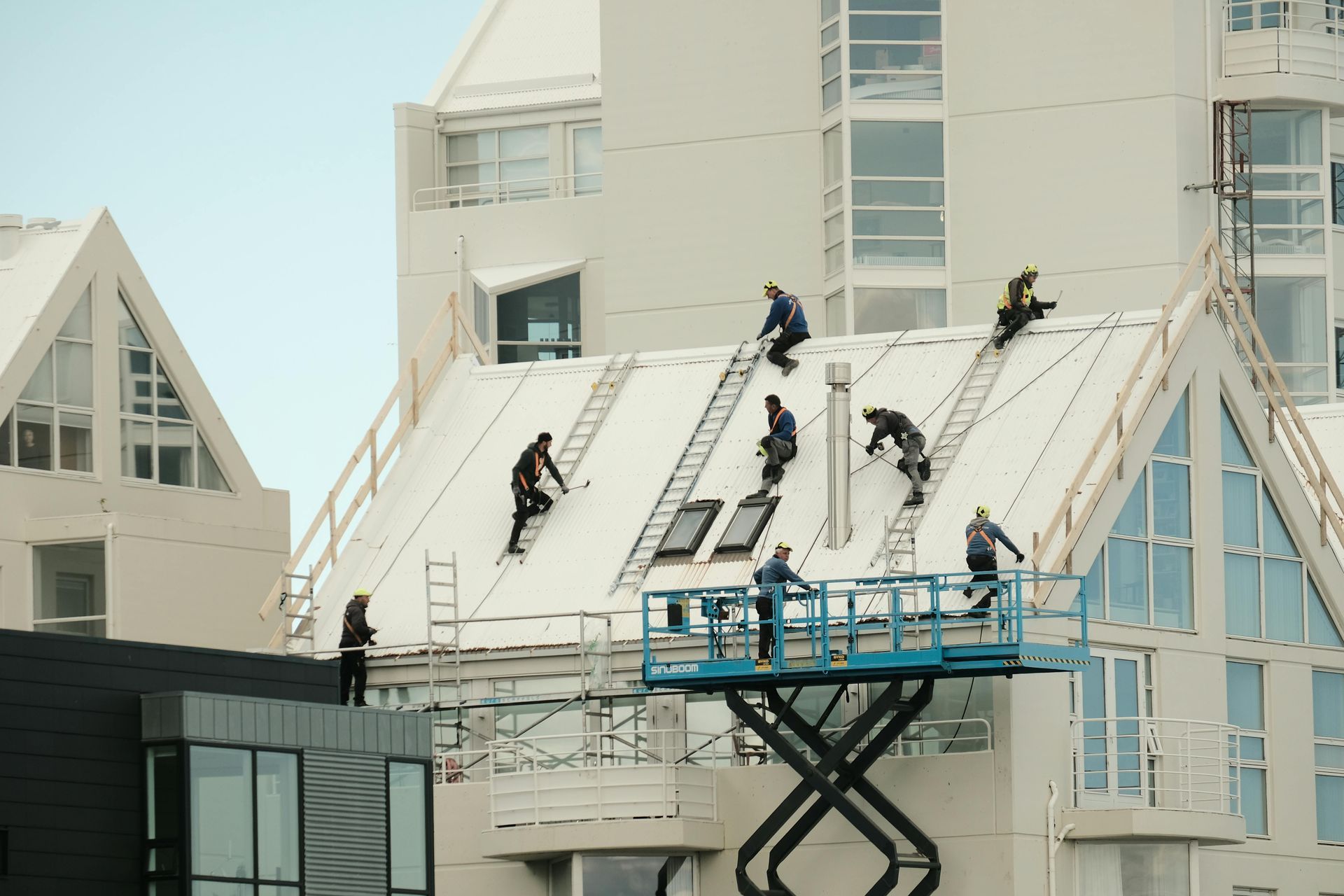
When Roof Replacement Is the Better Option
Aging roof systems: Roofs exceeding expected lifespan (18-20 years for asphalt, 25+ for flat systems) warrant replacement consideration. Continued repairs provide diminishing returns as base materials exhaust capacity.
Widespread damage: Curling, cracking, granule loss, or blistering affecting 30%+ of the roof surface indicates replacement is necessary within 1-2 years regardless of repair attempts.
Repeated leaks: Different areas failing continuously suggest systemic problems beyond localized repairs. Spending $5,000-12,000 annually patching various spots signals approaching the end of their useful life.
Structural concerns: Deck rot, sagging sections, or visible deterioration require comprehensive reconstruction. Attempting overlay installations over a compromised structure risks catastrophic failure.
Complete roof replacement provides fresh warranty coverage and extended service life.
What to Expect During Residential Roof Installation in Vancouver
Understanding the typical project workflow helps homeowners prepare appropriately.
Pre-Installation Preparation
Inspections: Contractors assess existing roof condition, measure accurately, verify deck integrity where visible, and identify potential complications affecting scope or cost.
Permits: Most Vancouver residential roof replacements require building permits ($300-600 typical). Contractors familiar with local requirements handle permit applications and inspections.
Scheduling around weather: Projects target the April through October dry season. Flexibility accommodates weather delays common even during optimal months. Winter installations (November-March) are possible for emergencies but involve premium pricing and extended timelines.
Installation Timeline
Typical project length: Standard residential roof replacement takes 2-5 days, depending on:
- Roof size and complexity
- Weather cooperation
- Crew size and experience
- Material type (asphalt fastest, cedar slowest)
Weather delays: Even during summer, unexpected rain requires a work stoppage. Contractors provide temporary protection for exposed areas and reschedule completion once conditions improve.
Cleanup & Final Inspection
Debris removal: Professional installations include thorough cleanup, removing all tear-off materials, nails, packaging, and construction debris. Magnetic sweeps collect stray fasteners, preventing tire damage.
Warranty documentation: Contractors provide material warranty certificates, workmanship warranty terms, and maintenance recommendations. Many manufacturers require registration within 30-90 days to activate extended coverage.
Final walkthrough: Review completed work, address any concerns, verify cleanup quality, and receive care instructions before final payment.
Residential Roof Maintenance in Vancouver (Why It Matters)
Systematic care extends lifespan and prevents expensive emergency repairs.
Seasonal Maintenance Checklist
Spring (April-May):
- Inspect for winter storm damage (missing shingles, loose flashings)
- Clear accumulated debris from valleys, gutters, roof surface
- Check chimney and skylight flashings for deterioration
- Address moss growth before summer dormancy
- Schedule needed repairs during the dry season
Fall (September-October):
- Clear gutters and drains before the heavy rain season
- Inspect for summer UV damage or thermal stress
- Verify attic ventilation is functioning properly
- Check for loose or lifted shingles requiring attention
- Apply moss treatments if needed on shaded roofs
After major storms:
- Walk the property perimeter, checking for visible damage
- Inspect the attic for water intrusion or new stains
- Check gutters for blockages or detachment
- Document damage for insurance if needed
- Contact professionals for assessment if concerns exist
How Maintenance Saves Homeowners Money
Prevents leaks: Annual inspections identify developing problems requiring $300-1,500 repairs before they become $5,000-15,000 emergencies involving interior damage remediation.
Extends roof lifespan: Proper maintenance adds 5-10 years to expected service life. Roof costing $18,000 lasting 28 years versus 20 years saves $6,400 in avoided premature replacement (present value calculation).
Protects warranties: Most manufacturer warranties require documented regular maintenance. Failure to maintain per specifications may void coverage when problems occur.
Professional roof maintenance programs provide systematic care, protecting investments.
Common Roofing Problems in Vancouver Homes
Understanding typical issues helps homeowners recognize when a professional assessment is needed.
Roof Leaks & Interior Water Damage
Attic manifestations: Most roof leaks become evident in attics before affecting living spaces. Signs include water stains on rafters or sheathing, damp insulation, musty odors, or visible mold growth. Attic inspections during rain events help trace leak sources before interior damage occurs.
Ceiling damage: Water infiltrating through ceilings indicates an established leak requiring immediate attention. Staining, bubbling paint, or sagging drywall suggests ongoing moisture exposure, causing progressive damage. Addressing leaks promptly prevents mold establishment and structural deterioration.
Difficult leak diagnosis: Water travels along the roof framing before dripping into living spaces. Ceiling stains often appear distant from actual roof failure points. Professional assessment using moisture detection and systematic inspection identifies true leak sources versus apparent damage locations.
Skylight & Chimney Leaks
Skylight issues: Curb flashing failures, deteriorated seals, or improper installation allow water infiltration around skylight perimeters. Condensation inside units (often misidentified as leaks) actually indicates inadequate ventilation or failed skylight seals, requiring different solutions than roofing repairs.
Chimney failures: Step and counter flashing deterioration causes 70% of chimney-related leaks. Additional sources include cracked chimney crowns, missing caps allowing direct water entry, or mortar joint failures in masonry. Professional assessment distinguishes between flashing repairs and comprehensive chimney restoration.
Preventative approach: Regular inspection of these high-risk areas identifies deterioration before leaks develop. Addressing minor flashing concerns costs $500-2,000 versus $5,000-15,000 for water damage remediation after failures occur.
Ventilation & Condensation Issues
Moisture accumulation: Inadequate attic ventilation allows warm, humid air from living spaces to accumulate in roof cavities. When this moisture-laden air contacts cold roof surfaces, condensation forms, saturating insulation and rotting framing lumber.
Visual indicators:
- Damp or compressed insulation
- Mold growth on rafters or sheathing
- Rusted nail points are penetrating the roof deck
- Frost accumulation during cold weather
- Musty odors in upper-floor rooms
Performance impact: Wet insulation loses R-value efficiency (R-40 dropping to R-20 when saturated). Moisture accelerates roof aging from beneath even when surface materials appear sound. Proper ventilation with balanced intake and exhaust prevents these expensive problems.
How to Choose a Residential Roofing Contractor in Vancouver
Contractor selection significantly affects project outcomes, warranty protection, and long-term satisfaction.
Licensing & insurance verification:
WorkSafeBC coverage: All legitimate BC contractors maintain current WorkSafeBC registration. Request clearance letters before work commences, protecting homeowners from liability if worker injuries occur. Verify registration through the WorkSafeBC website using the company number.
Liability insurance: Minimum $2 million commercial general liability protects against property damage claims. Request the current certificate naming you as an additional insured for the project duration.
Municipal licensing: Verify current business license and any required trade certifications demonstrating legitimate operations.
Local experience matters:
Vancouver-specific expertise: Contractors familiar with the coastal climate understand:
- Proper ventilation design for humid conditions
- Moss-resistant installation techniques
- Material selection suited to persistent dampness
- Drainage requirements for heavy rainfall
- Heritage home considerations in older neighborhoods
Verifiable references: Request 3-5 recent clients from similar projects. Contact references asking about communication quality, timeline adherence, site cleanliness, problem resolution, and finished work quality.
Established track record: Companies operating for 10+ years demonstrate stability and commitment to standing behind their work. Verify longevity through business registry searches or online reviews.
Material expertise & options:
Product knowledge: Quality contractors explain material options without pushing specific products. They discuss the pros and cons of various systems, helping homeowners make informed choices matching budgets and expectations.
Manufacturer relationships: Established contractors maintain certifications with major manufacturers, qualifying for extended warranties. Verify contractor status with manufacturers when premium warranty coverage is important.
Supply chain reliability: Local contractors with solid supplier relationships ensure material availability and consistent quality rather than using whatever products are cheapest at the moment of purchase.
Clear estimates & transparency:
Detailed proposals include:
- Complete scope of work (tear-off, disposal, materials, installation, cleanup)
- Material specifications (brand, product line, color, warranty terms)
- Labor breakdown by project phase
- Timeline with weather contingency planning
- Payment schedule tied to completion milestones
- Permit handling and inspection coordination
Red flags to avoid:
- Vague "total price" proposals without scope details
- Pressure for immediate decisions or limited-time offers
- Requests for full payment upfront (legitimate contractors use milestone payments)
- Significantly lower bids than competitors (30-40% below suggests missing scope or poor materials)
Warranty clarity & service:
Workmanship warranties: Minimum 2 years acceptable. Quality contractors offer 5-10 year workmanship coverage. Obtain warranty terms in writing specifying covered items and exclusions.
Material warranty registration: Verify the contractor will register the manufacturer's warranty in your name within the required timeframe (typically 30-90 days). Some extended warranties require installation by approved contractors.
Post-installation support: Established companies provide ongoing service addressing warranty items, maintenance needs, and emergency situations. Verify 24/7 emergency contact availability and typical response times.
Residential Roofing Tips for Vancouver Homeowners
Decades of local experience reveal patterns and insights helping property owners make better decisions.
Best time of year for roofing:
Prime installation season (June-September): Driest weather provides optimal conditions with minimal delays. However, this peak season may mean:
- Higher contractor demand (book 2-3 months advance)
- Premium pricing during the busiest periods
- Longer wait times for preferred contractors
Shoulder seasons (April-May, September-October): Good conditions with better contractor availability and potentially more competitive pricing. Increased rain risk requires flexible scheduling.
Winter installations (November-March): Emergency situations necessitate winter work. Challenges include:
- Frequent weather delays extend timelines
- Premium pricing reflecting difficult conditions
- Limited contractor availability (many avoid winter work)
- Temporary protection requirements for exposed areas
Planning ahead for rainy seasons:
Schedule proactively: Don't wait for leaks before addressing obviously aging roofs. Properties with roofs 18-22 years old should plan replacement during the dry season rather than emergency response during winter storms.
Budget timing: Start saving or planning financing 2-3 years before the expected replacement need. This timeline prevents rushed decisions driven by financial constraints during emergency situations.
Maintenance prevents emergencies: Annual inspection and minor repairs identify problems before catastrophic failures. Spending $500-800 yearly on maintenance often prevents $15,000-30,000 emergency winter replacements plus interior damage costs.
Common homeowner mistakes:
Choosing the lowest bid automatically: Price differences of 15-25% between qualified contractors often reflect material quality, warranty terms, or experience. Extremely low bids typically indicate substandard materials, rushed installation, or contractors likely to disappear.
Ignoring ventilation: Many replacement projects install new materials over inadequate ventilation systems. Without addressing ventilation deficiencies, new roofs age prematurely from trapped heat and moisture. Comprehensive projects include ventilation assessment and upgrades.
Deferring obvious problems: Waiting to "get one more year" from failing roofs often backfires when winter storms cause catastrophic failures requiring emergency replacement at premium pricing plus interior damage remediation.
Skipping maintenance: New roofs need minimal but essential care. Annual inspections and minor repairs extend lifespan 5-10 years beyond neglected systems. The $500-800 annual investment protects $15,000-40,000 roofing assets.
Overlay without inspection: Installing new shingles over existing (legal for one overlay in most BC jurisdictions) saves tear-off costs but hides deck rot, inadequate ventilation, or structural issues. Unless a confident deck condition is sound, a complete tear-off allows inspection, preventing expensive surprises.
Heritage home considerations:
Properties in character neighborhoods (Strathcona, Mount Pleasant, Kitsilano, Fairview) may have heritage designation affecting allowable materials and procedures. Verify restrictions before planning changes from original roofing types.
Maintaining authentic materials (wood shake) on designated heritage homes requires commitment to ongoing care and expense. Synthetic alternatives sometimes provide a similar appearance without intensive maintenance if heritage guidelines allow.
Budget for contingencies:
Expect the unexpected: Even well-planned projects discover unforeseen issues during tear-off. Budget 10-15% contingency for:
- Deck repairs (rotted plywood requires replacement)
- Structural reinforcement if inadequate support is discovered
- Ventilation improvements bringing systems to current standards
- Additional flashing work on complex details
Financing options: Major roofing investments ($15,000-40,000) may benefit from home equity lines, renovation loans, or contractor financing programs. Compare interest rates and terms, avoiding high-cost options when lower rates are available through traditional lenders
Residential Roofing FAQs in Vancouver
Why do residential roofs wear out faster in Vancouver?
Residential roofs wear out faster in Vancouver because the city gets about 1,189 mm of rain across ~170 wet days, keeping roofing materials damp for long periods. Constant moisture accelerates deterioration, increases biological growth, and can shorten roof lifespan by 20–30% compared to drier climates.
What are the most common leak sources on Vancouver homes?
Most roof leaks in Vancouver start at detail areas like chimney flashing, skylight curbs, valleys, and roof penetrations. These points concentrate water flow and fail earlier than the main roof surface when sealants or flashing corrode.
How quickly can moss damage a roof in Vancouver?
In shaded Vancouver neighborhoods, moss can appear within 2–3 years, especially on north-facing slopes. If left untreated, moss holds moisture and breaks down shingle granules, often forcing replacement up to a decade earlier than a well-maintained roof.
What roofing material lasts the longest in Vancouver?
Metal roofing typically lasts the longest in Vancouver, often 50–70 years with minimal maintenance, because it sheds water quickly and resists moss growth. Copper can last 75–100+ years, depending on installation and exposure conditions.
How much does a residential roof cost in Vancouver in 2026?
A typical 2,000 sq ft Vancouver home often ranges from $11,000–$19,000 for architectural asphalt, $24,000–$40,000 for standing seam metal, and $34,000–$52,000 for taper-sawn cedar shake, depending on slope, access, and tear-off requirements.
When should you repair a roof instead of replacing it?
Roof repair makes sense when damage is localized (typically under 10% of the roof), the roof is relatively new (often under 12–15 years), and the leak source is clearly identified. Replacement is usually the better option when leaks recur in multiple areas or materials are near end-of-life.
What maintenance matters most for Vancouver residential roofs?
The most important maintenance in Vancouver is keeping water moving off the roof and preventing moisture buildup through gutter/valley cleaning, flashing checks, ventilation verification, and moss treatment where needed. Consistent maintenance can add 5–10 years of service life and prevent expensive emergency repairs.
Next Steps for Residential Roofing in Vancouver
Ready for a free, no-obligation quote? Contact Paragon Roofing BC today for a complimentary residential roof assessment and personalized pricing tailored to your Vancouver home
Whether planning a new installation, addressing repairs, or considering replacement, professional guidance helps navigate Vancouver's unique challenges.
Ready to move forward?
Explore our residential roofing services:
Understanding Vancouver's climate impact, appropriate materials, realistic costs, and maintenance requirements helps protect your home's most important weather barrier through informed decisions.
Disclaimer: Pricing and cost ranges on this page are provided for general informational purposes only. Actual residential roofing costs in Vancouver vary based on roof size, pitch, material selection, site access, existing roof layers, ventilation condition, and the extent of required repairs found during tear-off. All pricing reflects typical Vancouver-area ranges at the time of writing and does not represent a fixed quote or guarantee. A professional on-site inspection is required for accurate pricing.
Here's What Our Existing Clients Think.
Home and business owners we've served across the greater Vancouver area.
Our Google Reviews
Edit Google Reviews Widget
We look forward to helping you.
For all your roofing needs, contact Paragon Roofing BC — call, text, or email us at 604-358-3436
Paragon Res Roof Install #2
We will get back to you as soon as possible.
Please try again later.