Roof Ventilation in Vancouver: Moisture Control, Mold & Efficiency

Roof ventilation isn't primarily about comfort or cooling. In Vancouver's coastal climate with 1,189mm annual rainfall and persistent dampness, proper ventilation controls moisture accumulation that causes mold growth, structural rot, and premature roofing failure. The relationship is direct: inadequate airflow allows warm interior air to rise into attic spaces where it contacts cold roof surfaces, condenses, and saturates insulation and framing lumber.
Properties throughout Metro Vancouver experience these moisture problems more severely than dry-climate homes. Our extended rainy season (October through April) means roofing systems remain damp for weeks without adequate drying. Temperatures fluctuating around the dew point create ideal condensation conditions. Older housing stock (pre-1980 construction especially) often has insufficient original ventilation design, compounding problems as modern insulation standards further trap moisture without corresponding airflow improvements.
Poor ventilation shortens roof lifespan by 30-50% through multiple mechanisms: saturated insulation loses R-value efficiency, trapped heat ages shingles prematurely, condensation rots deck sheathing and rafters, and mold spreads from attics into living spaces affecting indoor air quality. This guide explains how proper ventilation prevents these expensive problems specific to Vancouver's climate.
Why Roof Ventilation Is Critical in Vancouver Homes & Buildings
How Vancouver's Climate Impacts Roof Ventilation
Understanding our unique weather patterns clarifies why ventilation becomes critical rather than optional.
Constant Moisture & High Humidity
Trapped warm air: During our moderate winters, heated interior air rises through ceiling penetrations (light fixtures, plumbing chases, attic hatches) into roof cavities. Without adequate exhaust ventilation removing this moisture-laden air, humidity accumulates reaching 60-80% relative humidity levels supporting mold growth.
Condensation buildup: When warm humid air contacts cold roof sheathing or rafters, water vapor condenses into liquid. Over weeks of persistent dampness, this condensation saturates insulation (reducing effectiveness by 50%+ when wet), drips onto ceiling planes below, and creates standing water in poorly-sloped attic areas.
The cycle compounds: Wet insulation loses thermal resistance, allowing more warm air to escape from living spaces below. This increases condensation, further wetting materials, creating a downward spiral of moisture accumulation and structural damage.
Temperature Differences & Condensation
Warm interior air meeting cold roof surfaces: Vancouver's moderate winters (typically 2-8°C) combined with heated interiors (20-22°C) create ideal temperature differential for condensation. Unlike extreme-cold climates where ventilation prevents ice dams, or hot climates where it reduces cooling loads, Vancouver's challenge is constant low-level moisture accumulation.
Seasonal effects: November through March brings extended periods when outdoor temperatures hover near dew point. Attics without adequate ventilation never fully dry between rain events, maintaining conditions supporting biological growth year-round rather than seasonally.
Summer considerations: Our occasional warm spells (25-35°C) create superheated attics (55-65°C) when ventilation is inadequate. This extreme heat ages asphalt shingles prematurely, accelerating granule loss and reducing lifespan.
Why Vancouver Homes Are Especially Vulnerable
Older housing stock: Properties built pre-1980 often have minimal soffit vents and single-point exhaust (gable vents or small roof vents). Modern insulation standards increased to R-40+ from original R-12-20, creating moisture traps as tighter thermal envelopes lack corresponding ventilation upgrades.
Insufficient original ventilation design: Builders working before moisture control understanding installed undersized vent areas (1/600 ratio) or non-continuous soffit venting. Current standards require 1/300 net free area with balanced intake and exhaust, something many existing homes lack.
Modern air-sealing compounds problems: Energy-efficiency retrofits adding insulation without ventilation upgrades trap moisture. Well-intentioned improvements create worse conditions than original construction by eliminating accidental air leakage that previously provided some drying.
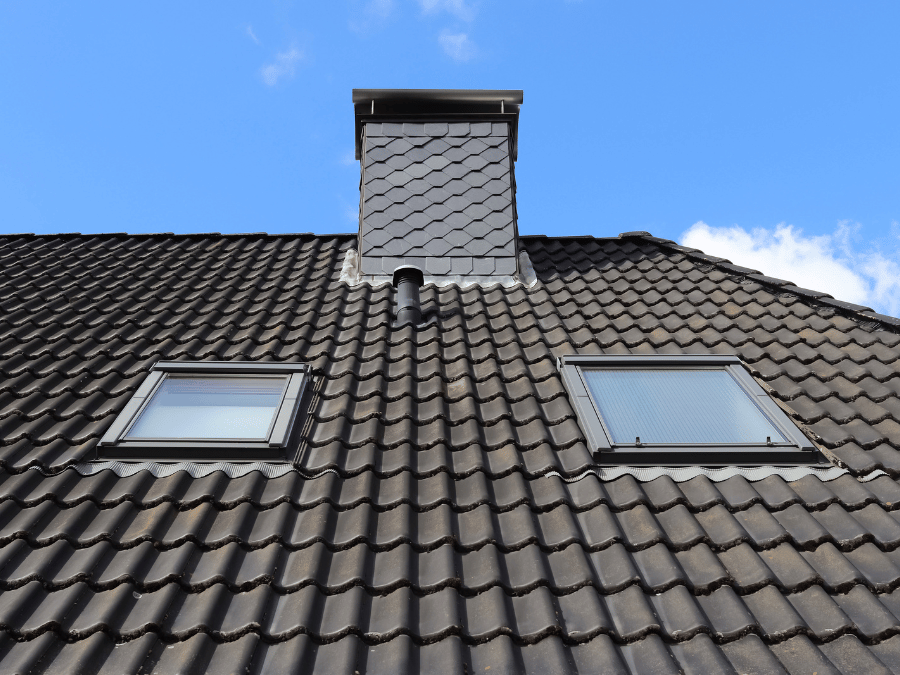
What Proper Roof Ventilation Actually Does
Clarifying ventilation purpose prevents misunderstandings about its function.
Ventilation is not insulation: Airflow doesn't prevent heat loss. Insulation stops conductive heat transfer. Ventilation removes moisture and moderates temperature extremes in roof cavities. Both work together but serve different purposes.
Ventilation is not air conditioning: Roof ventilation doesn't cool living spaces significantly. Its purpose is maintaining attic health, not occupant comfort. Energy savings come from protecting insulation effectiveness, not direct cooling
Removing Moisture From Attics & Roof Cavities
The primary function: Continuous airflow from soffit (intake) to ridge (exhaust) carries moisture-laden air out of roof cavities before condensation occurs. Fresh outdoor air entering through soffits dilutes humidity, preventing accumulation reaching saturation levels.
Drying wet materials: After rain infiltration or condensation events, ventilation allows materials to dry. Without airflow, damp insulation, wet framing, or moisture-saturated sheathing remains wet for weeks, enabling mold establishment and wood rot.
Preventing mold growth: Mold requires sustained moisture (85%+ relative humidity for 24-48 hours). Proper ventilation maintains attic humidity below 60%, preventing spore germination and colony establishment.
Regulating Temperature & Airflow
Summer heat reduction: Vancouver's summer heat waves (occasionally reaching 35-40°C) create attic temperatures exceeding 65°C without ventilation. This extreme heat ages asphalt shingles from beneath, accelerating deterioration. Continuous ridge venting removes hot air as it rises, maintaining attic temperatures closer to outdoor ambient (typically 10-15°C above outdoor vs 30-40°C in unvented attics).
Winter condensation prevention: Cold roof surfaces contacting warm interior air causes condensation. Ventilation keeps the roof deck near outdoor temperature through continuous airflow, preventing the temperature differential creating condensation conditions.
Protecting Roofing Materials & Structure
Extended shingle lifespan: Excess heat and moisture are asphalt shingles' enemies. Proper ventilation removes both, extending lifespan by 5-10 years compared to inadequately vented roofs (achieving 22-25 years vs 15-18 years for architectural products in Vancouver).
Preventing structural rot: Saturated framing lumber develops rot fungi within weeks of continuous dampness. Ventilated attics allow lumber to dry between moisture events, preventing fungal establishment and structural degradation requiring expensive repairs.
Protecting insulation effectiveness: Wet insulation loses R-value dramatically (R-40 dropping to R-20 when saturated). Ventilation maintains dry conditions preserving thermal performance and energy efficiency.
Warning Signs of Poor Roof Ventilation in Vancouver Homes
Recognizing symptoms helps property owners identify problems before extensive damage occurs.
Interior Warning Signs
Condensation on windows: Excess indoor humidity fogging windows indicates moisture accumulation. While windows themselves may have adequate ventilation, the visible condensation signals broader moisture problems including insufficient roof ventilation allowing humidity to accumulate rather than exhausting properly.
Musty odors: Moldy smells in upper-floor rooms, closets, or when operating bathroom fans suggest attic mold spreading spores into living spaces through ceiling penetrations. The distinctive earthy smell indicates active biological growth requiring investigation.
Mold growth: Visible mold on upper-floor ceilings (especially near bathroom fans or in corners) indicates moisture migrating from poorly-ventilated attic spaces. Black or green patches warrant immediate professional assessment.
Ceiling stains: Water staining or discoloration on ceilings may result from condensation dripping from attic spaces onto insulation and through ceiling planes. Distinguishing roof leaks from condensation requires attic inspection during rain events.

Attic & Roof-Level Indicators
Damp insulation: Insulation feeling wet to touch or showing compression from water weight indicates condensation problems. Fiberglass or cellulose holding moisture appears darker and compressed compared to dry, fluffy material.
Mold on rafters: Black or green growth on framing lumber, particularly on north-facing roof sections or along ridge boards where warm air accumulates, indicates sustained high humidity from inadequate ventilation.
Frost buildup (seasonal): During rare cold snaps (below -5°C), attics with poor ventilation show frost accumulation on roof sheathing undersides and nail points. This frost melts during temperature increases, dripping onto insulation and creating water damage.
Rusty nails: Roof fasteners showing corrosion indicate persistent moisture exposure from condensation. New construction showing rust within 2-5 years signals serious ventilation deficiencies
Roofing Damage Linked to Poor Ventilation
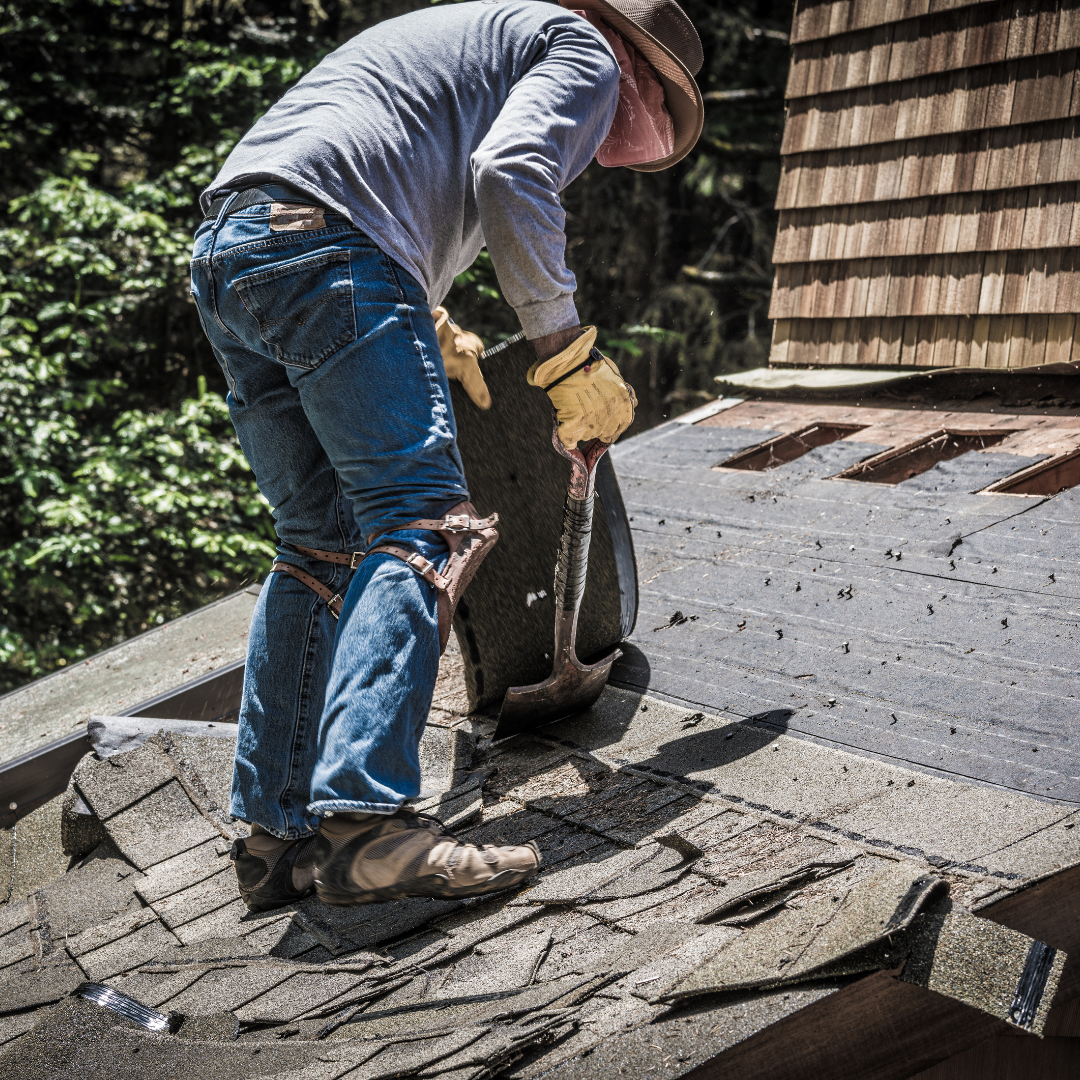
Curling shingles: Shingle edges curling upward or downward prematurely (before 15 years on architectural products) often results from excessive attic heat or moisture rather than weather exposure alone.
Premature roof aging: Asphalt deterioration, granule loss, and cracking occurring years before expected lifespan indicates heat or moisture damage from beneath. Proper ventilation prevents this accelerated aging.
Unexplained roof repairs and maintenance needs: Properties requiring frequent repairs despite relatively new roofing may have ventilation problems causing premature failure rather than installation or material defects.
Common Ventilation Problems Found in Vancouver Buildings
Understanding typical deficiencies helps diagnose existing problems.
Insufficient intake venting: Blocked or missing soffit vents create negative pressure preventing proper airflow. Paint-clogged vents, insulation pushed into soffits blocking airflow, or original construction with solid soffits (no vents) starve systems of intake air.
Inadequate exhaust venting: Too few roof vents or undersized ridge vents prevent warm air from exhausting. Many older homes have single gable vents or 2-3 small box vents inadequate for roof area (current standards require 1 square foot net free area per 300 square feet of attic floor).
Intake/exhaust imbalance: Adequate ridge venting without corresponding soffit intake, or vice versa, prevents effective through-flow. Balanced systems (equal intake and exhaust area) create continuous movement from eaves to peak.
Short-circuit airflow: Intake vents too close to exhaust vents (less than 3 feet vertical separation) causes incoming air to immediately exhaust without traveling through the entire attic space. Deep areas far from airflow paths remain stagnant and damp.
Blocked baffles: Insulation installers frequently push material into eave areas blocking airflow channels. Proper installation requires baffles (rigid channels) maintaining clear airspace above insulation from soffit to peak.
Roof Ventilation Systems Used in Vancouver
Different ventilation components work together creating effective moisture control systems.
Soffit & Eave Vents
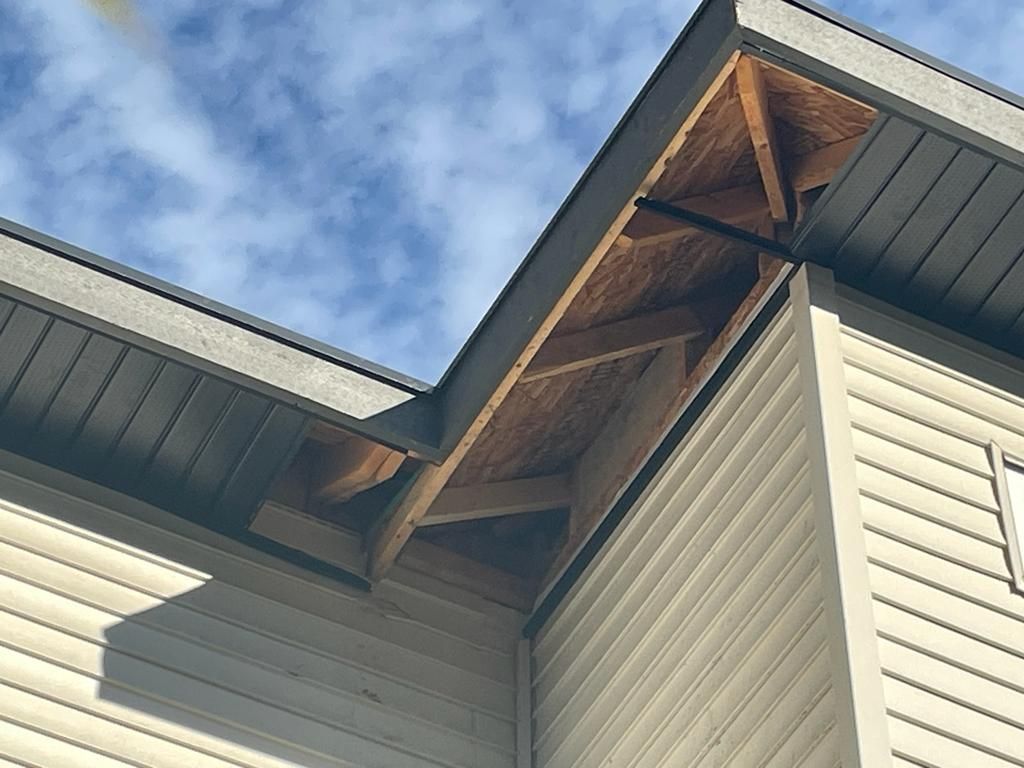
Function: Intake airflow from outside enters through continuous soffit vents or individual vent panels installed beneath roof eaves. Cool outdoor air flows upward into attic spaces, pushed by natural convection and wind pressure.
Types available:
- Continuous aluminum soffit strips with perforations
- Individual rectangular vent panels (4x16 inches typical)
- Circular 2-3 inch diameter soffit vents (less effective than continuous)
Vancouver-specific considerations: Rain-driven into soffit vents requires proper installation preventing water infiltration while maintaining airflow. Quality products include baffles directing airflow upward while shedding water downward.
Common problems: Paint clogging perforations during exterior painting, insulation blocking airflow from interior, insufficient total vent area for roof size (should equal ridge vent area for balanced system).

Ridge Vents
Function: Continuous exhaust ventilation along roof peaks allows warm moist air to exit as it naturally rises to highest attic points. External baffles prevent rain and snow infiltration while permitting unrestricted airflow.
Types available:
- Shingle-over ridge vents (low-profile, aesthetically invisible)
- External baffle ridge vents (visible profile but superior airflow)
- Aluminum mesh ridge vents (commercial applications)
Installation requirements: Ridge board must be cut creating 1-2 inch opening along peak. The vent covers both sides of the opening while shedding weather. Proper installation includes weather-resistant underlayment and careful shingle integration preventing leaks.
Effectiveness: Ridge vents provide superior performance compared to point-source vents (box vents, turbines) because they exhaust along the entire roof length rather than from isolated locations. Vancouver's frequent moderate winds create negative pressure enhancing exhaust efficiency.
Roof Vents (Static & Powered)
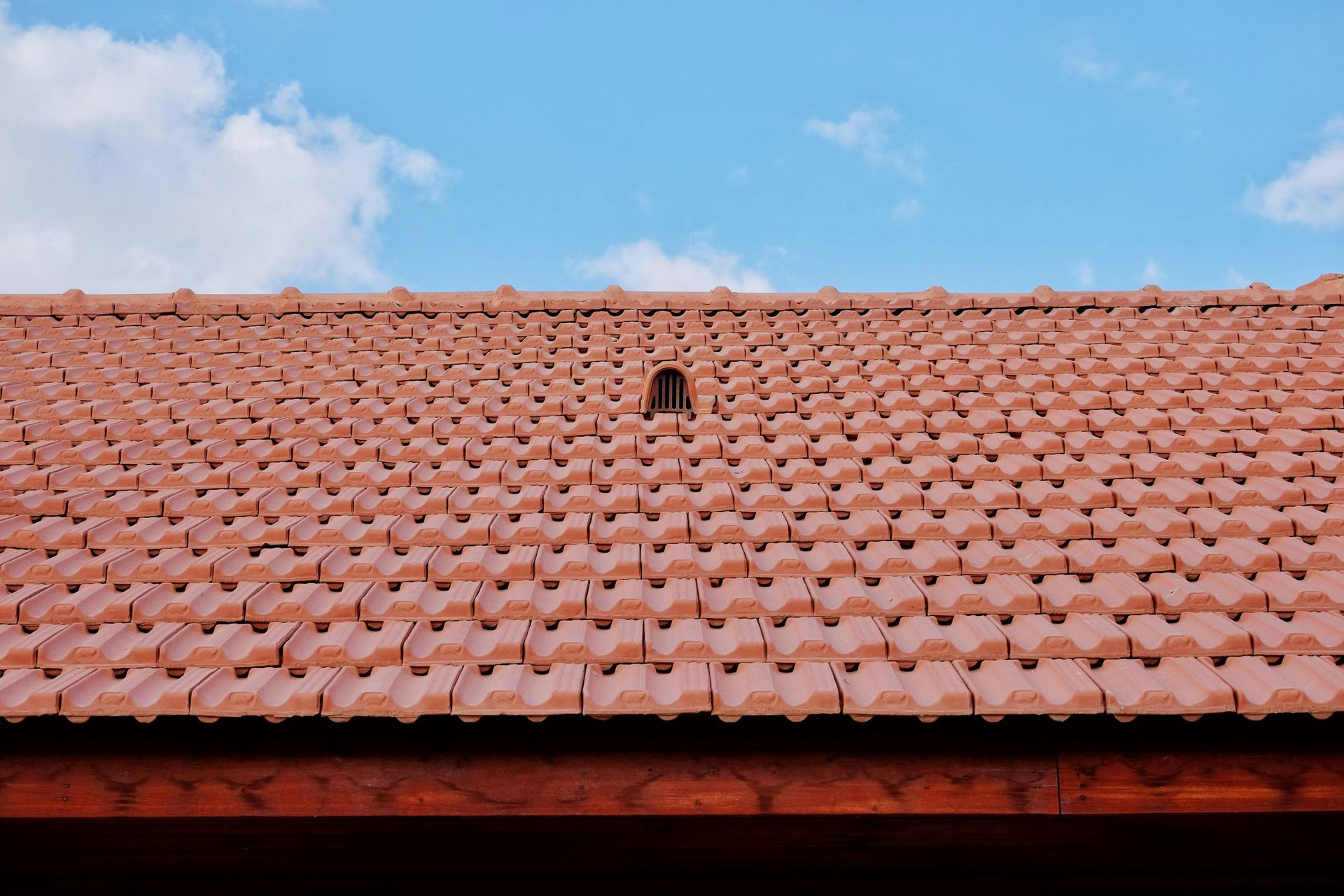
Box vents (static): Metal or plastic housings installed through roof sheathing providing fixed vent area. Typically 50-60 square inches net free area per unit. Multiple vents required for adequate coverage (minimum one per 300 square feet of attic floor, maximum spacing 20 feet).
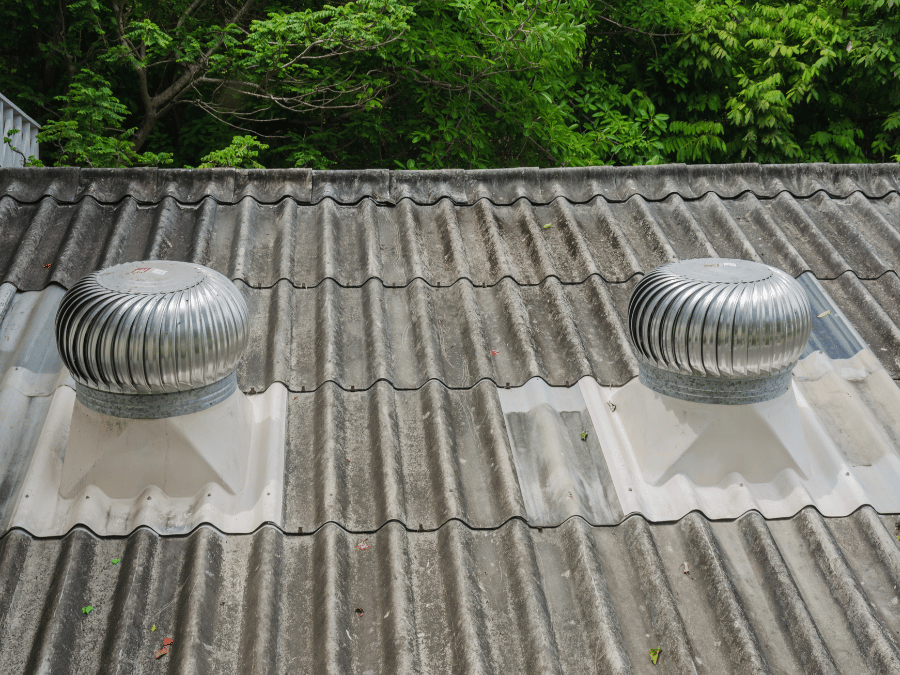
Turbine vents: Wind-powered rotating vents creating active exhaust through wind energy. Effective in Vancouver's moderate wind conditions but moving parts require maintenance and eventual replacement (typically 15-20 years).
Powered exhaust fans: Thermostat or humidistat-controlled electric fans actively removing attic air. Most effective for problem attics with inadequate passive ventilation but require electrical installation and ongoing power consumption.
When appropriate: Powered fans suit difficult situations where passive ventilation cannot be adequately retrofitted. However, creating negative pressure without sufficient intake can pull conditioned air from living spaces, increasing energy costs. Professional assessment determines when powered ventilation benefits exceed drawbacks.
Flat Roof & Low-Slope Ventilation Solutions
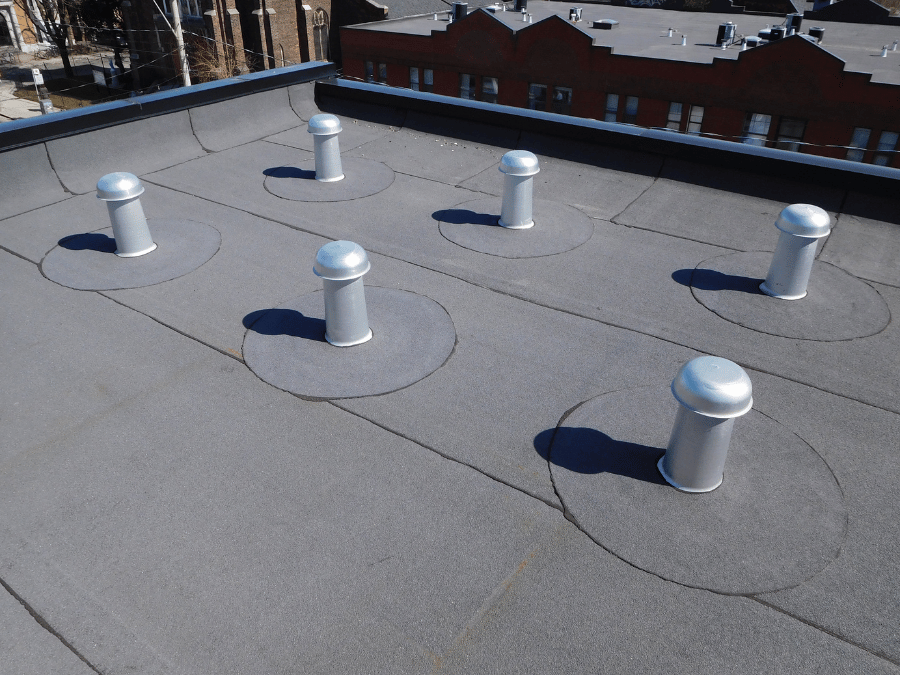
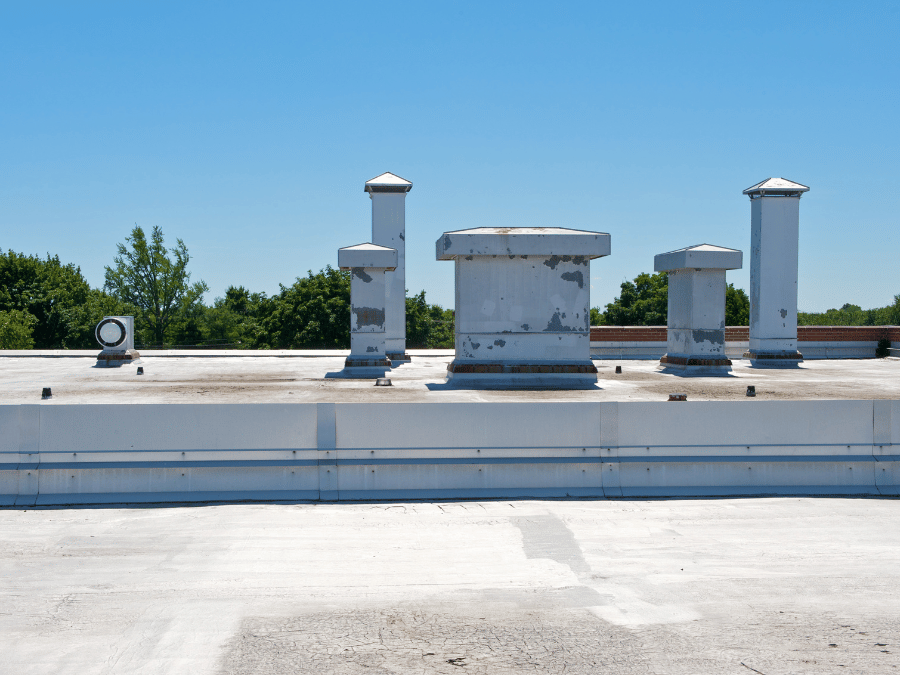
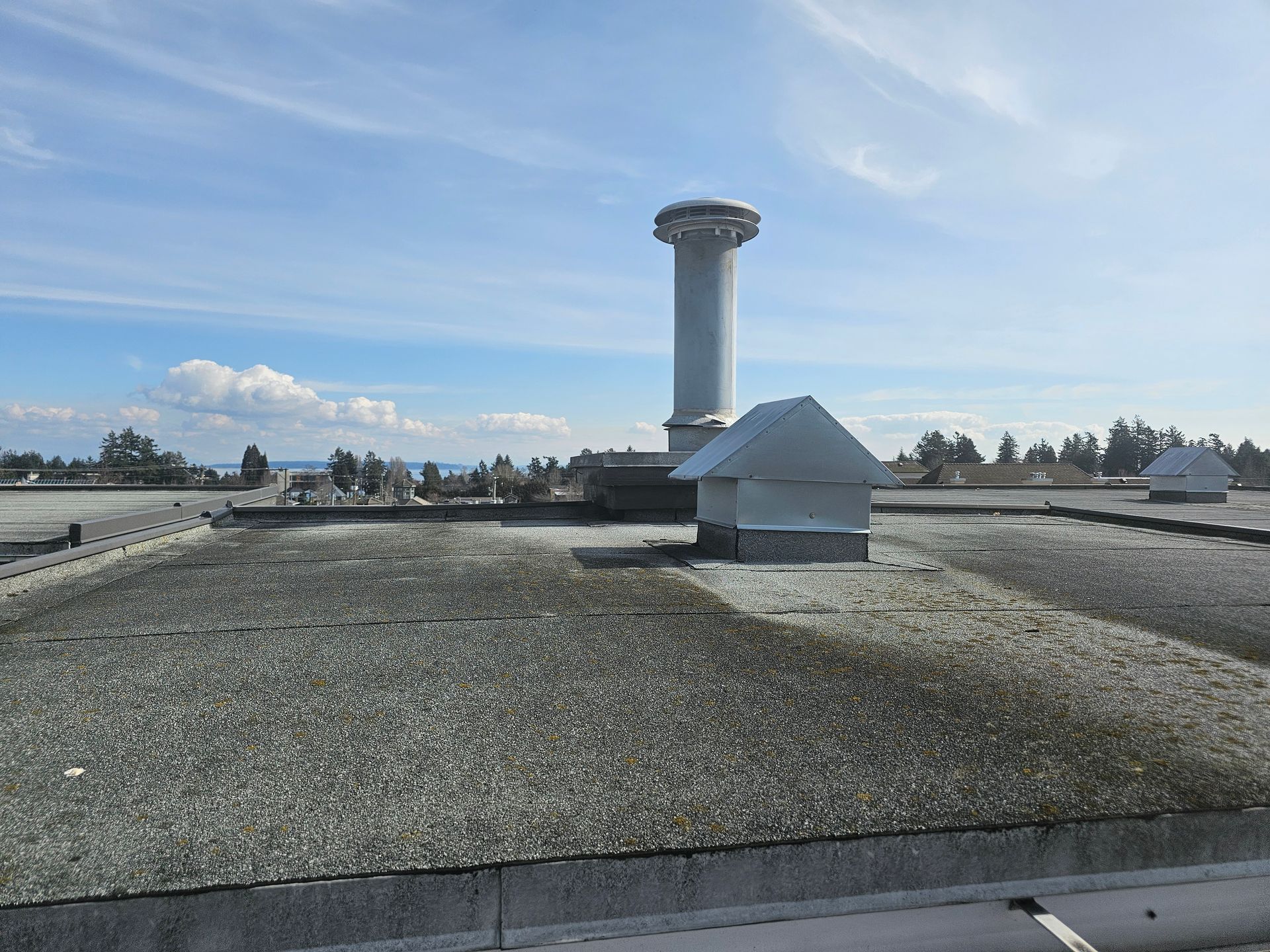
Commercial applications: Commercial buildings with flat or low-slope roofs require different approaches than residential pitched roofs. Options include perimeter venting at parapets, deck venting systems between roofing layers, and mechanical exhaust systems.
Strata considerations: Multi-unit strata buildings often have shared attic spaces above individual units. Ventilation design must address the entire common area preventing moisture migration between units. Inadequate ventilation in one section affects neighboring units through connected cavities.
Low-slope challenges: Roofs with 3:12 or less pitch lack natural convection creating effective passive ventilation. These applications often require mechanical assistance or carefully designed intake/exhaust systems maximizing limited airflow potential.
Moisture control directly prevents biological growth.
Reducing condensation & damp conditions: Maintaining attic relative humidity below 60% prevents mold spore germination. Ventilation continuously removes moisture-laden air before humidity reaches levels supporting growth (85%+ for 24-48 hours).
Protecting insulation & structural wood: Dry materials resist mold establishment. Ventilated attics allow occasional moisture events (minor roof leaks, condensation during extreme cold) to dry within 24-48 hours, preventing sustained dampness that enables colonization.
Supporting healthy indoor air quality: Mold in attics spreads spores through ceiling penetrations into living spaces. Bathroom fans, light fixtures, and attic hatches provide pathways. Preventing attic mold protects interior air quality, particularly important for occupants with respiratory sensitivities or allergies.
Roof Ventilation Costs in Vancouver
Understanding investment requirements helps property owners budget appropriately.
Minor improvements ($500-2,000):
- Adding soffit vents to existing soffits
- Installing additional roof vents (2-4 units)
- Clearing blocked baffles during re-insulation
- Replacing inadequate gable vents with proper exhaust systems
Moderate upgrades ($2,000-5,000):
- Installing continuous ridge venting
- Retrofitting continuous soffit vents
- Adding powered attic fans
- Comprehensive baffle installation with insulation adjustment
Major ventilation overhaul ($5,000-10,000+):
- Complete soffit replacement with continuous venting
- Ridge vent installation requiring ridge board modification
- Structural modifications for cathedral ceiling ventilation
- Integration with roof
replacement projects
Timing consideration: Ventilation upgrades during roof replacement add minimal cost (10-20% premium) versus standalone projects. Planning ventilation improvements when replacing roofing maximizes value.
Roof Ventilation in Vancouver — FAQs
Why is roof ventilation especially important in Vancouver?
Vancouver’s persistent rain and high humidity create ideal conditions for condensation and moisture buildup in attics. Proper roof ventilation removes moist air before it condenses, preventing mold, wood rot, and premature roof failure.
Can poor roof ventilation really damage a roof?
Yes. Inadequate ventilation can shorten roof lifespan by 30–50%. Trapped heat and moisture accelerate shingle aging, rot roof sheathing, reduce insulation performance, and create conditions for mold growth.
What are the most common signs of poor roof ventilation?
Typical warning signs include:
- Condensation on windows
- Musty odors or attic mold
- Damp or compressed insulation
- Rusted nails in attic spaces
- Curling or prematurely aging shingles
These symptoms often appear before visible roof leaks.
Is roof ventilation the same as insulation?
No. Insulation slows heat transfer, while ventilation removes moisture and excess heat from roof cavities. Both are required. Adding insulation without improving ventilation often makes moisture problems worse in Vancouver homes.
What type of roof ventilation works best in Vancouver?
Balanced systems perform best:
- Soffit vents for intake
- Ridge vents for exhaust
- This creates continuous airflow from eaves to peak. Many older Vancouver homes lack sufficient intake, exhaust, or proper balance between the two.
Can roof ventilation help prevent mold?
Yes. Mold requires sustained high humidity. Proper ventilation keeps attic moisture levels below mold-growth thresholds, protecting insulation, framing, and indoor air quality.
When should roof ventilation be upgraded?
Ventilation upgrades are recommended when:
- Mold or condensation is present
- Roof materials are aging prematurely
- Insulation has been upgraded without ventilation changes
- A roof replacement is planned
- Upgrading ventilation during roof replacement is the most cost-effective timing.
Next Steps for Roof Ventilation Improvements in Vancouver
Property owners concerned about ventilation should:
- Conduct visual inspection - Check for visible soffit vents, count roof vents, look for interior moisture signs
- Schedule professional assessment - Experienced contractors measure attic humidity, inspect insulation condition, calculate proper vent sizing
- Address problems promptly - Ventilation deficiencies compound over time, causing progressively worse damage
- Plan upgrades strategically - Coordinate with roof replacement, insulation improvements, or other major projects
- Maintain systems - Keep vents clear of debris, ensure baffles remain in place, verify continuous operation
Working with Paragon Roofing BC
Paragon Roofing BC provides comprehensive roof ventilation assessment and improvement throughout Metro Vancouver. We understand how coastal climate moisture challenges affect building performance and design ventilation systems preventing mold growth, structural damage, and premature roof failure.
Our services:
Proper roof ventilation prevents moisture damage, mold growth, and premature roofing failure in Vancouver's challenging coastal climate. Understanding ventilation principles and addressing deficiencies protects property value and occupant health.
Disclaimer: All pricing and cost ranges shown are estimates based on typical Vancouver-area projects and conditions at the time of writing.
Roof ventilation costs vary depending on roof design, attic configuration, existing ventilation, access, materials, and site conditions. Final scope and pricing are confirmed only after an on-site assessment and written proposal. Prices may change due to material availability, labor conditions, or project complexity.
Here's What Our Existing Clients Think.
Home and business owners we've served across the greater Vancouver area.
Our Google Reviews
Edit Google Reviews Widget
We look forward to helping you.
For all your roofing needs, contact Paragon Roofing BC — call, text, or email us at 604-358-3436
Paragon Res Roof Install #2
We will get back to you as soon as possible.
Please try again later.