Cool Roofing in Vancouver: Energy Efficiency & Heat Reduction

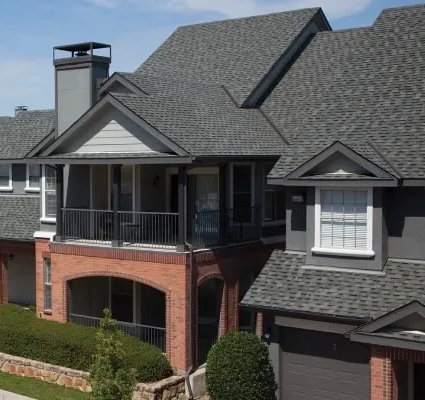
"Cool roofing in Vancouver? We barely get hot summers." This reaction is common, but the 2021 heat dome changed everything.
Cool roofing reflects sunlight and emits heat better than standard materials, keeping surfaces up to 50°F (28°C) cooler on sunny days. Vancouver hit 40.6°C (105°F) during the 2021 heat dome, causing 619 BC deaths, mostly indoors, where temperatures stayed dangerously high.
While our traditional priorities focus on rain resistance,
cool roofing offers additional benefits: reduced cooling costs, better comfort during heat events, and extended roof lifespan. Climate models predict more frequent extreme heat, making thermal management increasingly relevant.
What Is Cool Roofing and Does It Make Sense in Vancouver?
Heat, Sun Exposure & Energy Use in Vancouver
Understanding how roofs contribute to heat gain helps determine whether cool roofing makes sense for your property.
Vancouver's Moderate but Increasing Summer Heat
Changing temperature patterns:
- The 2021 heat dome set the Canadian temperature record: 49.6°C (121.3°F)
- West Vancouver recorded 40.6°C, nearly 20°C above the 5-year average
- Indoor temperatures exceeded 26°C for days, creating life-threatening conditions
- Climate models predict more frequent extreme heat events
Urban heat island effect: Downtown Vancouver can be 5-10°C warmer than the surrounding areas. Asphalt, concrete, and dark roofing materials absorb and retain heat, magnifying ambient temperatures in dense neighborhoods like Downtown Eastside, Mount Pleasant, and Commercial Drive.
Properties in urban cores face higher heat exposure than suburban areas with more vegetation and less density.
How Roofs Contribute to Heat Gain
Roofs receive direct solar radiation throughout the day. The amount of heat transferred into buildings depends on surface properties:
Dark conventional roofs:
- Absorb 80-95% of solar radiation
- Surface temperatures reach 65-80°C (150-180°F) on sunny days
- Transfer significant heat into attic spaces and living areas below
Cool reflective roofs:
- Reflect 60-90% of solar radiation (white surfaces)
- Reflect 35-50% of radiation (cool-colored dark surfaces with special pigments)
- Surface temperatures stay 20-30°C cooler than conventional roofs
- Reduce heat transfer by 40-60%
The temperature difference directly affects HVAC loads, occupant comfort, and roof material longevity.
Why Heat Reduction Still Matters in a Wet Climate
Comfort: Even without air conditioning, cooler attic spaces mean cooler upper floors. During heat events, this difference affects safety and livability.
Energy efficiency: Vancouver homes increasingly include AC. Reducing cooling demand lowers electricity consumption and peak grid strain during summer afternoons.
Roof longevity: Thermal expansion and contraction from temperature cycling stress roofing materials. Cooler surfaces experience less stress, slowing degradation and extending lifespan by 10-20%.
Resale value: Energy-efficient features appeal to environmentally-conscious buyers throughout Metro Vancouver's competitive real estate market.
What Is Cool Roofing?
Cool roofing technology relies on two fundamental properties that work together to keep buildings cooler.
Solar Reflectance & Thermal Emittance Explained
Solar reflectance (SR): Measures how much sunlight a surface reflects rather than absorbs. Rated 0-1, where 1 reflects 100% of solar radiation.
- White surfaces: SR of 0.60-0.90
- Standard dark asphalt: SR of 0.06-0.26
- Cool dark colors (special pigments): SR of 0.25-0.45
Thermal emittance (TE): Measures how efficiently a surface releases absorbed heat. Also rated 0-1, where 1 releases heat most effectively.
- Most roofing materials: TE of 0.80-0.90
- Bare metal: TE of 0.10-0.30
- Coated metal: TE of 0.80+
Optimal cool roofing: High SR + High TE = maximum cooling effect. Products with both properties stay coolest and transfer the least heat into buildings.
Cool Roofing vs Standard Roofing Materials
Surface Temperature Comparison (Sunny Summer Day):
| Roof Type | Surface Temperature | Indoor Impact |
|---|---|---|
| Black asphalt | 75°C (167°F) | Highest heat gain |
| Grey asphalt | 65°C (149°F) | High heat gain |
| Cool grey | 50°C (122°F) | Moderate heat gain |
| White membrane | 35°C (95°F) | Minimal heat gain |
The temperature difference translates to 2-5°C cooler indoor temperatures in the top floors of buildings without air conditioning. With AC, it means 10-25% lower cooling energy consumption.
Cool Roofing Materials Available in Vancouver
Different roof types accommodate different cool roofing solutions. Understanding options helps match technology to your building.
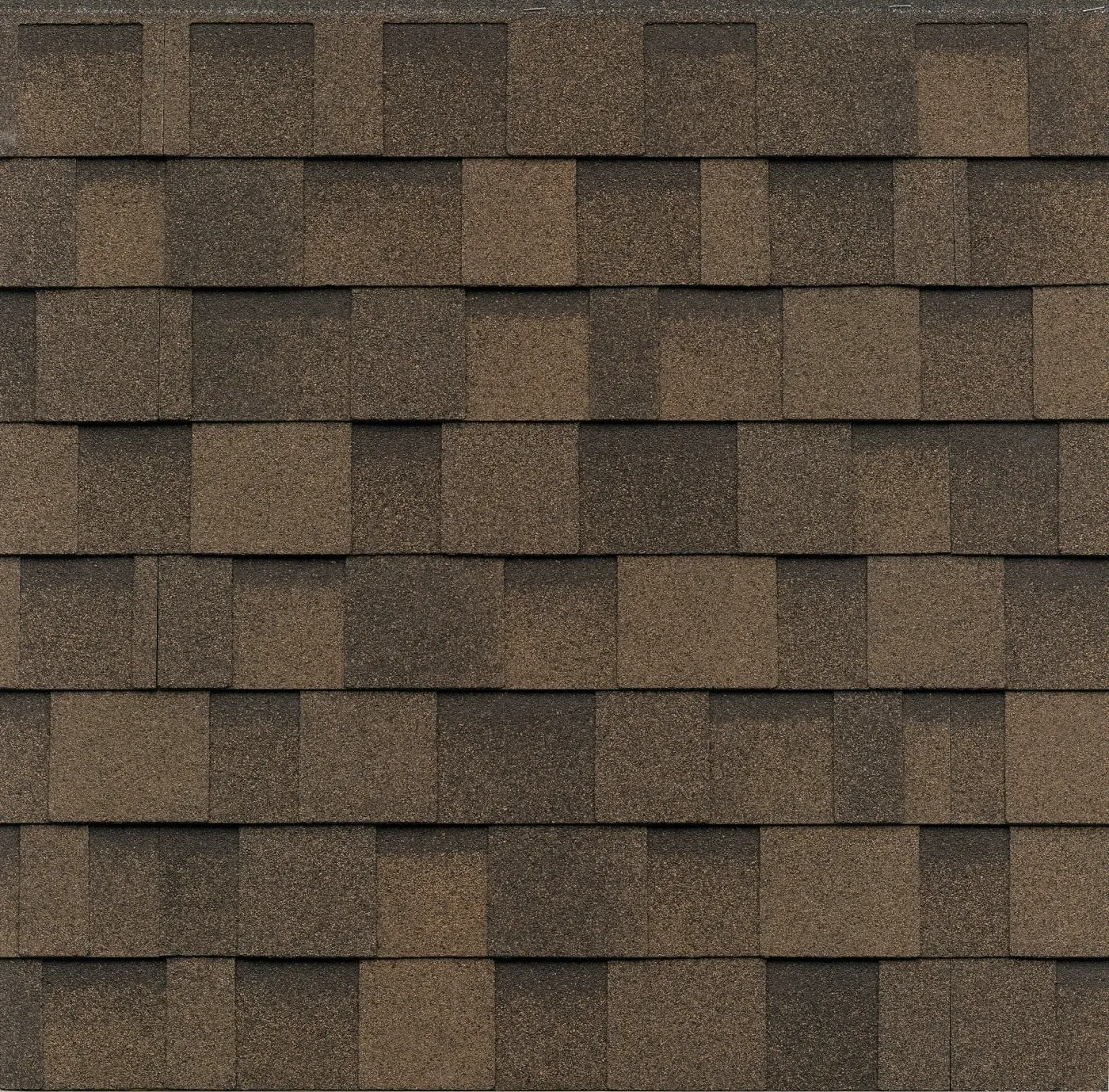
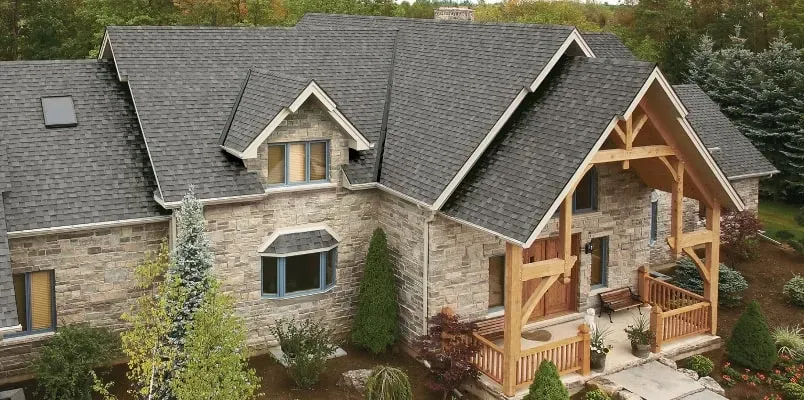
Cool Asphalt Shingles
Standard residential roofing with cooling modifications:
Reflective granules: Ceramic-coated granules reflect more solar radiation than standard granules. Available in various colors, including darker shades.
Light colors: White, light grey, tan, and beige naturally reflect more heat than dark brown or black. Performance difference: 20-30% better reflectance.
Cost: Minimal premium over standard shingles, typically $0.50-1.50/sq ft extra. Works with existing residential roofing installations.
Performance: SR of 0.25-0.40 (cool dark colors) to 0.60+ (white/light colors).
Metal Roofing & Cool Roof Coatings
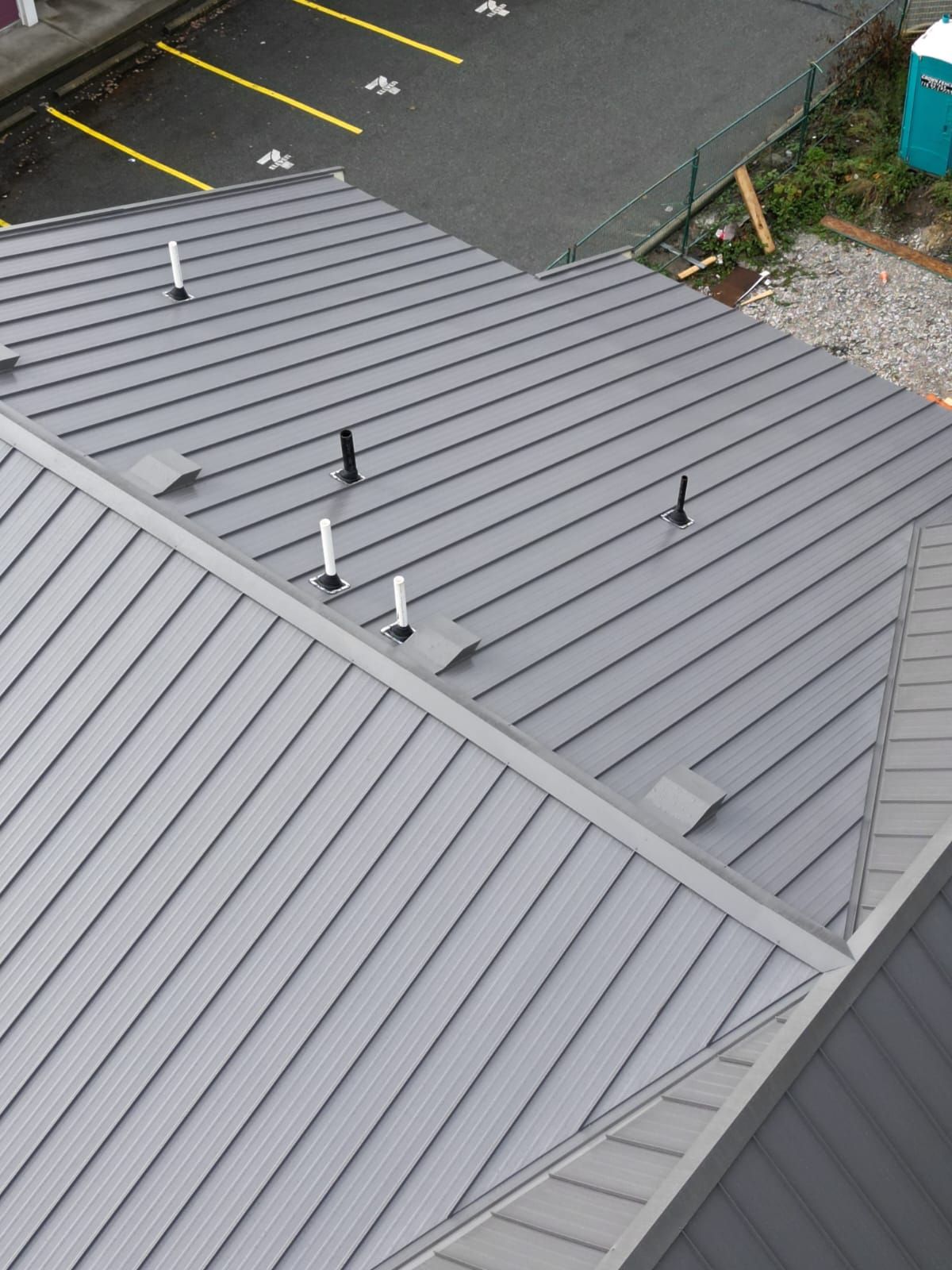
Metal naturally reflects more radiation than asphalt:
Bare metal: Unpainted metal reflects well but emits heat poorly (low TE). Still outperforms dark asphalt.
Painted/coated metal: Cool pigment coatings boost both reflectance and emittance. Available in a wide color range, including darker options that look traditional but reflect infrared radiation.
Performance: SR of 0.35-0.70 depending on color and coating. TE of 0.80+ with proper coatings.
Durability: Metal's long lifespan (40-60+ years) means cool roof benefits last for decades. Learn more about metal roofing options.
Cool Flat Roof Systems (Commercial & Strata)
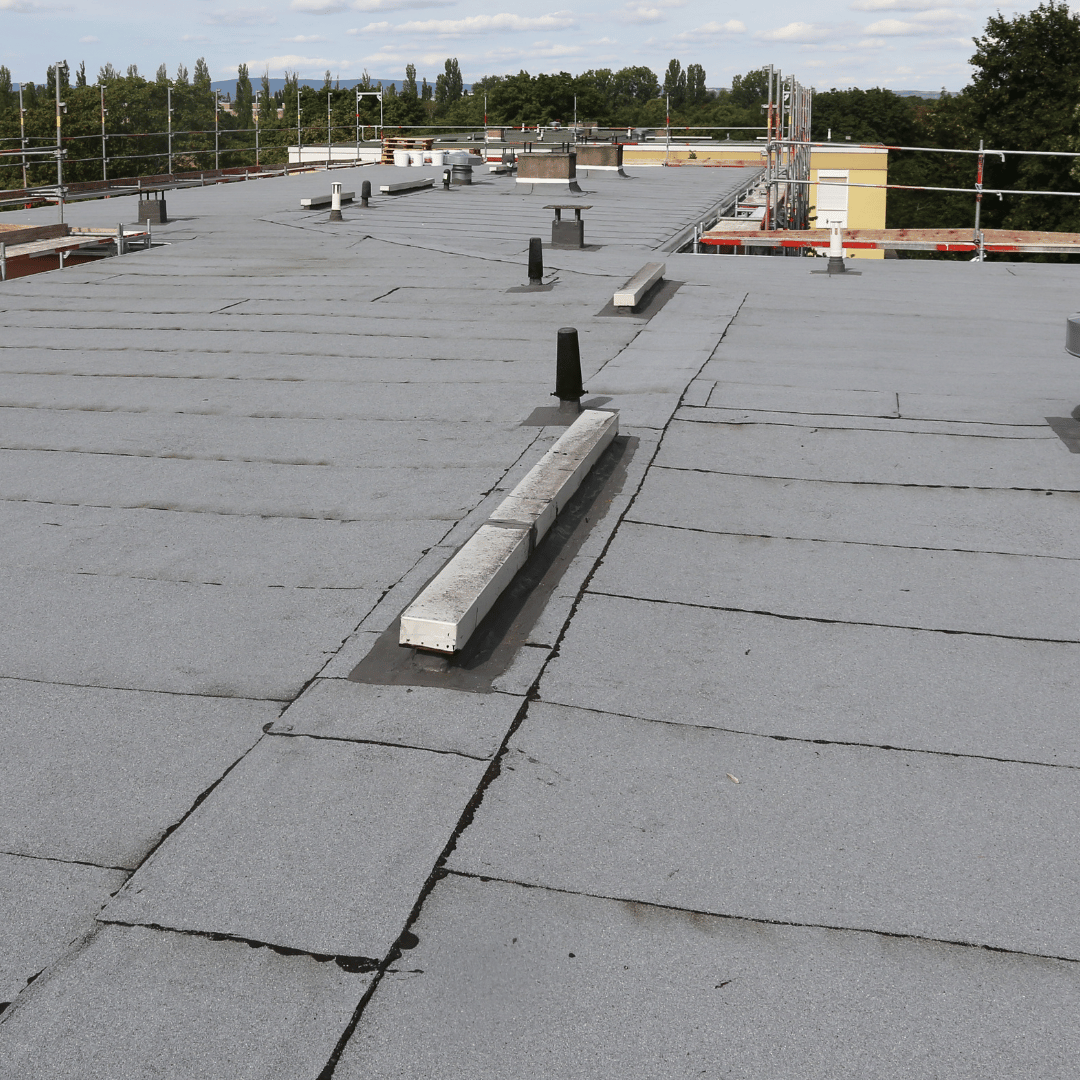
Low-slope and flat roofs offer the most dramatic cool roofing benefits:
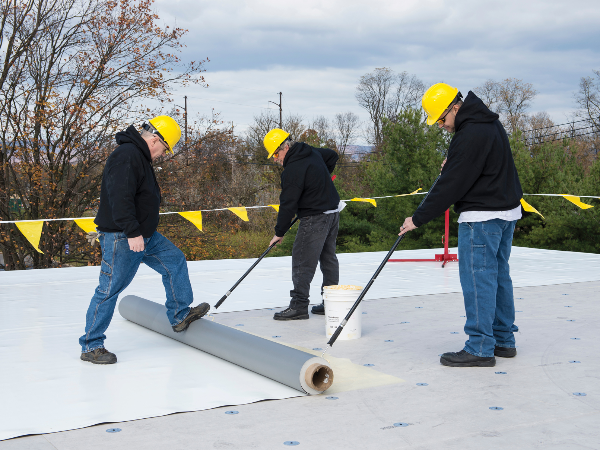
TPO (Thermoplastic Polyolefin): White or light grey single-ply membrane with excellent reflectance. SR typically 0.70-0.85. Common for commercial roofing applications.
PVC (Polyvinyl Chloride): Similar to TPO with slightly higher cost but proven long-term performance. Naturally fire-resistant.
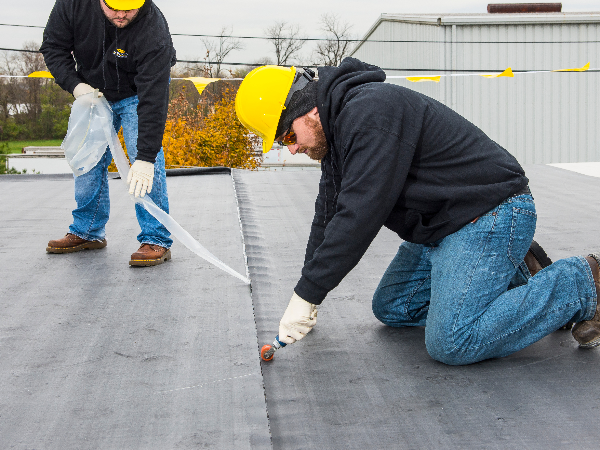
Reflective coatings: Applied over existing membrane roofs (EPDM, modified bitumen). Extends roof life while adding cool properties. Cost-effective retrofit option.
White ballast/gravel: Increases reflectance on ballasted roofs.
These systems work well for strata buildings with flat or low-slope roof areas.
Cool Roofing for Homes in Vancouver
Residential applications offer specific benefits and considerations different from commercial properties.
Benefits for Single-Family Homes
Summer comfort: Upper floors and bedrooms beneath the roof stay 2-5°C cooler during heat events. Makes bedrooms more comfortable without AC.
Reduced cooling costs: Homes with AC see 10-20% lower cooling energy use. Even small AC units (window or portable) run less frequently.
Extended roof life: Reduced thermal cycling means less material stress. Expect 10-20% longer roof lifespan compared to dark roofing in the same conditions.
Cool Roofing & Attic Ventilation
Cool roofing doesn't replace proper ventilation; they work together:
Ventilation removes moisture: Vancouver's humidity requires continuous airflow through attic spaces to prevent condensation and mold.
Cool roofing reduces heat input: Less solar heat means ventilation systems work more effectively and attic temperatures stay moderate even during peak sun exposure.
Combined effect: Cool roof + proper ridge and soffit ventilation = maximum thermal and moisture management.
Properties without adequate ventilation should address this during roof replacement, regardless of roofing material choice.
When Cool Roofing Makes Sense for Homes
Optimal candidates:
- South or west-facing roofs with high sun exposure
- Properties in urban heat islands (Downtown, Mount Pleasant, Commercial Drive)
- Low tree shade, properties with clear solar access
- Homes with living space in the attic or upper floors
- Long-term ownership plans (15+ years)
- Plans to add or already have air conditioning
Less beneficial scenarios:
- Heavily shaded lots with mature trees
- North-facing roof planes
- Short-term ownership (5 years or less)
- Roofs approaching the end of service life without replacement plans
Cool Roofing for Commercial & Strata Buildings in Vancouver
Large roof areas make cool roofing particularly impactful for multi-family and commercial properties.
Key Benefits
HVAC load reduction: Cool roofing cuts peak cooling loads by 10-30%. Smaller AC systems are needed for new construction, and reduced runtime for existing systems.
Tenant comfort: Top-floor units experience the most heat gain. Cool roofing directly improves livability.
Operating costs: Lower energy = reduced common-area electricity for strata properties and commercial buildings.
Building performance: Helps meet energy code requirements and green building certifications.
Maintenance Considerations
- Roof surfaces accumulate dirt that reduces reflectance; regular cleaning maintains performance
- Ponding water reduces the effectiveness of proper drainage, which is critical
- Annual inspections with commercial maintenance programs
How Cool Roofing Improves Energy Efficiency
Understanding realistic savings helps justify the investment
Reduced Cooling Costs
Vancouver context: Our moderate climate means the cooling season is shorter than in hot regions. Most savings occur during the July-August heat.
Typical residential savings:
- With AC: 10-25% cooling energy reduction
- Without AC: 2-5°C cooler indoor temperatures
- Annual dollar savings: $50-200, depending on home size and AC usage
Commercial building savings:
- Larger buildings with significant AC loads: 10-15% annual cooling energy reduction
- Buildings without insulation: Greater savings potential (up to 25%)
- Combined with insulation upgrades: Maximum effectiveness
Impact on HVAC System Longevity
Reduced runtime: AC systems cycling less frequently experience less wear. Compressors last longer when not constantly operating during peak heat.
Lower peak capacity: Cool roofing can allow downsizing AC equipment during replacement, saving on equipment costs.
Realistic Energy Savings in Vancouver
Setting expectations: Cool roofing saves more energy in hot climates (Arizona, Texas) than in temperate regions. Vancouver's shorter cooling season limits total savings.
Best-case scenario: Property with south-facing flat roof, dark existing membrane, AC system, poor insulation, urban heat island location = 15-25% cooling energy reduction.
Average scenario: Typical home with moderate sun exposure, some shade, existing grey asphalt = 5-10% cooling energy reduction during summer months.
Limited benefit: Heavily shaded property, north-facing slopes, minimal AC use = <5% energy impact.
The economic payback depends on energy rates, cooling system efficiency, and climate conditions. Most Vancouver properties see payback periods of 10-20 years through energy savings alone, longer than hot climate applications.
How Cool Roofing Can Extend Roof Lifespan
Energy savings aren't the only benefit; cool roofing protects the roof itself.
Key Benefits
Reduced thermal cycling: Materials expand when heated, contract when cooled. This causes fastener degradation, membrane splitting, and shingle cracking. Cool surfaces stay 20-30°C cooler = less movement and longer life.
UV protection: Solar radiation degrades roofing materials. Cool systems reflect UV along with visible and infrared light, slowing surface degradation by 20-30%.
Material-specific benefits:
- Asphalt shingles: 25-30 years vs 20-25 years (10-15% longer)
- Metal roofing: 50-70 years vs 40-60 years
- Single-ply membranes: 20-25 years vs 15-20 years with proper maintenance
How Much Does Cool Roofing Cost in Vancouver?
Cost considerations include material premiums and long-term value.
Factors That Affect Cool Roofing Cos
Material selection: White TPO costs similar to black EPDM. Cool asphalt shingles add 10-20% to standard shingle costs. Reflective coatings add retrofit costs.
Roof size & configuration: Larger projects see economies of scale. Complex roof shapes with multiple planes increase costs regardless of material choice.
New vs retrofit: Choosing cool materials during planned replacement adds minimal cost. Retrofitting coatings to existing roofs adds $2-4/sq ft in material and labor.
Typical Cool Roofing Cost Ranges
Residential (asphalt shingles):
- Cool shingles premium: +$0.50-1.50/sq ft over standard
- Total installed: $5-9/sq ft (similar to quality standard shingles)
- 2,000 sq ft roof: $10,000-18,000
Residential (metal roofing):
- Cool-coated metal: $10-18/sq ft installed
- Comparable to standard painted metal costs
Commercial/strata (flat roofs):
- White TPO: $8-14/sq ft installed
- White PVC: $10-16/sq ft installed
- Reflective coating retrofit: $3-6/sq ft
Example: 5,000 sq ft commercial flat roof replacement with white TPO = $40,000-70,000 total project cost.
Common Myths About Cool Roofing in Vancou
Clarifying misconceptions helps make informed decisions.
Myth: "Cool roofs are only for hot climates."
Reality: Benefits scale with sun exposure. Vancouver's summer sun provides 12-14 hours of daylight. Cool roofing reduces heat gain proportionally to solar radiation received.
Myth: "Cool roofs don't matter in the rain."
Reality: Vancouver averages 1,940 sunshine hours annually. Many summer days are sunny and warm. Cool roofing performs during these hours regardless of annual rainfall.
Myth: "Cool roofing always means white roofs."
Reality: Cool pigment technology allows dark colors with enhanced infrared reflectance. Charcoal, brown, and grey options reflect 35-45% of solar radiation, much better than traditional dark roofs at 10-20%.
Myth: "Cool roofs increase heating costs dramatically."
Reality: Winter solar heat gain through roofs is minimal in Vancouver's overcast conditions. Studies show a heating penalty of 1-3% versus cooling savings of 10-25%. Net benefit remains positive.
Myth: "Cool roofing doesn't work on shaded roofs."
Reality: Correct. Shaded roofs receive little direct sun, so reflectance has minimal impact. Cool roofing benefits properties with clear solar exposure.
Design & Appearance Considerations for Cool Roofing
Residential: Cool asphalt shingles available in a full color range, including dark charcoal with special pigments. Visual difference is minimal.
Commercial: White membranes are standard and not visible from street level. No aesthetic concerns.
Strata approval: Present as an energy efficiency measure with lifespan benefits. Highlight heat resilience given the 2021 experience.
Commercial codes: Cool roofing is not mandated in BC, but earns green building credits (LEED) and may qualify for incentives.
When Cool Roofing Makes Sense in Vancouver
Good candidates:
- Flat roofs with maximum sun exposure
- Commercial & strata buildings (large roof areas, significant cooling loads)
- Urban properties in heat islands
- South/west exposures with direct afternoon sun
- Low shade properties
- Energy-conscious owners
- New construction or planned replacements
Limited benefit:
- Heavy shade from trees
- North-facing slopes
- Short-term ownership (5 years or less)
- End-of-life roofs without replacement plans
- Minimal cooling needs (no AC, good natural ventilation)
Pros & Cons of Cool Roofing
Pros
✓ Reduces peak heat - Surface temperatures 20-30°C cooler than dark roofs
✓
Improves comfort - Top floors stay 2-5°C cooler during heat events
✓
Energy savings - 10-25% cooling cost reduction for AC-equipped buildings
✓
Extends roof life - Less thermal stress = 10-20% longer service life
✓
Urban heat reduction - Collective adoption lowers neighborhood temperatures
✓
Minimal cost premium - Often comparable to standard materials
✓
Climate resilience - Better prepared for future extreme heat events
Cons
✗ Limited winter benefit - Reflects a small amount of passive solar heating
✗
Shaded properties - Minimal benefit where trees block the sun
✗
Long payback - Energy savings alone take 10-20 years to recover costs
✗
Maintenance needed - Dirt and debris reduce reflectance over time
✗
Color limitations - Darkest colors can't achieve high reflectance
Is Cool Roofing Right for Your Vancouver Property?
Decision framework based on property characteristics.
Evaluate these factors:
- Roof exposure - How many hours of direct sun daily? South/west slopes in clear areas = best candidates.
- Building type - Commercial/strata with flat roofs see the greatest benefits. Residential pitched roofs see moderate benefits.
- Energy usage - High AC use = better payback. No AC = comfort benefits only.
- Ownership timeline - 15+ years = justifies investment. 5-10 years = questionable return.
- Roof replacement timing - Choosing cool during planned replacement adds minimal cost. Retrofitting solely for cooling = expensive.
- Other upgrades needed - If insulation or ventilation is inadequate, address those first.
Quick assessment: Large flat roof + full sun exposure + AC system + urban location + long ownership = strong candidate for cool roofing. Heavily shaded pitched roof + no AC + short ownership = weak candidate.
Cool Roofing in Vancouver – FAQs
Does cool roofing actually work in Vancouver’s climate?
Yes. While Vancouver is generally mild, cool roofing reduces heat gain during sunny periods and extreme heat events, keeping roof surfaces 20–30°C cooler and improving indoor comfort.
Is cool roofing only useful during heat waves?
No. The biggest benefits appear during heat waves, but cool roofing also reduces daily summer heat buildup, lowers attic temperatures, and slows roof material aging throughout the season.
How much can cool roofing lower indoor temperatures?
In homes without air conditioning, cool roofing can keep upper floors 2–5°C cooler on hot days. In buildings with AC, it reduces cooling demand instead of indoor temperature directly.
Does cool roofing save energy in Vancouver?
Yes, especially for buildings with AC. Typical cooling energy savings range from 10–25%, with the highest savings in south- and west-facing roofs and urban heat-island areas.
Does cool roofing still work on cloudy or rainy days?
Cool roofing works whenever sunlight is present. Vancouver receives 1,900+ sunshine hours annually, and most cooling benefits occur during clear summer afternoons, not rainy periods.
Do cool roofs have to be white?
No. Modern “cool pigments” allow dark greys, browns, and charcoals to reflect significantly more heat than standard dark roofs while maintaining a traditional appearance.
When does cool roofing make the most sense in Vancouver?
Cool roofing is most effective for flat roofs, south- or west-facing slopes, urban properties, buildings with AC, and long-term owners planning for future heat resilience.
Next Steps for Cool Roofing in Vancouver
Ready to explore cool roofing options? Here's how to proceed:
Planning Your Assessment
- Evaluate sun exposure - Observe your roof during summer. How many hours of direct sun? Any shading from trees or adjacent buildings?
- Review energy bills - Identify summer cooling costs. Calculate potential 10-25% savings.
- Check roof condition - Is replacement needed soon? Cool roofing makes sense during planned work.
- Research incentives - Check BC Hydro and federal programs for energy efficiency rebates.
Working with Paragon Roofing BC
Paragon Roofing BC provides guidance on cool roofing throughout Metro Vancouver. We help property owners evaluate whether cool roofing fits their situation and energy goals.
Our team can assess your property's solar exposure, discuss material options appropriate for your roof type, and provide accurate cost comparisons between cool and standard roofing systems.
Additional resources:
- Residential roofing services
- Commercial roofing solutions
- All roofing services
- Contact us for property consultation
Cool roofing represents one component of comprehensive building energy management. Combined with proper insulation, ventilation, and smart design, it contributes to comfortable, efficient properties resilient to Vancouver's changing climate.
All pricing is for general informational purposes only and is subject to change. Cool roofing costs in Vancouver vary based on roof type, material selection, color, installation method, and whether the system is installed during replacement or as a retrofit. Final pricing is determined only after an on-site inspection and a written scope of work.
Here's What Our Existing Clients Think.
Home and business owners we've served across the greater Vancouver area.
Our Google Reviews
Edit Google Reviews Widget
We look forward to helping you.
For all your roofing needs, contact Paragon Roofing BC — call, text, or email us at 604-358-3436
Paragon Res Roof Install #2
We will get back to you as soon as possible.
Please try again later.