Rubber Roofing in Vancouver: Flat Roof Durability & Waterproofing
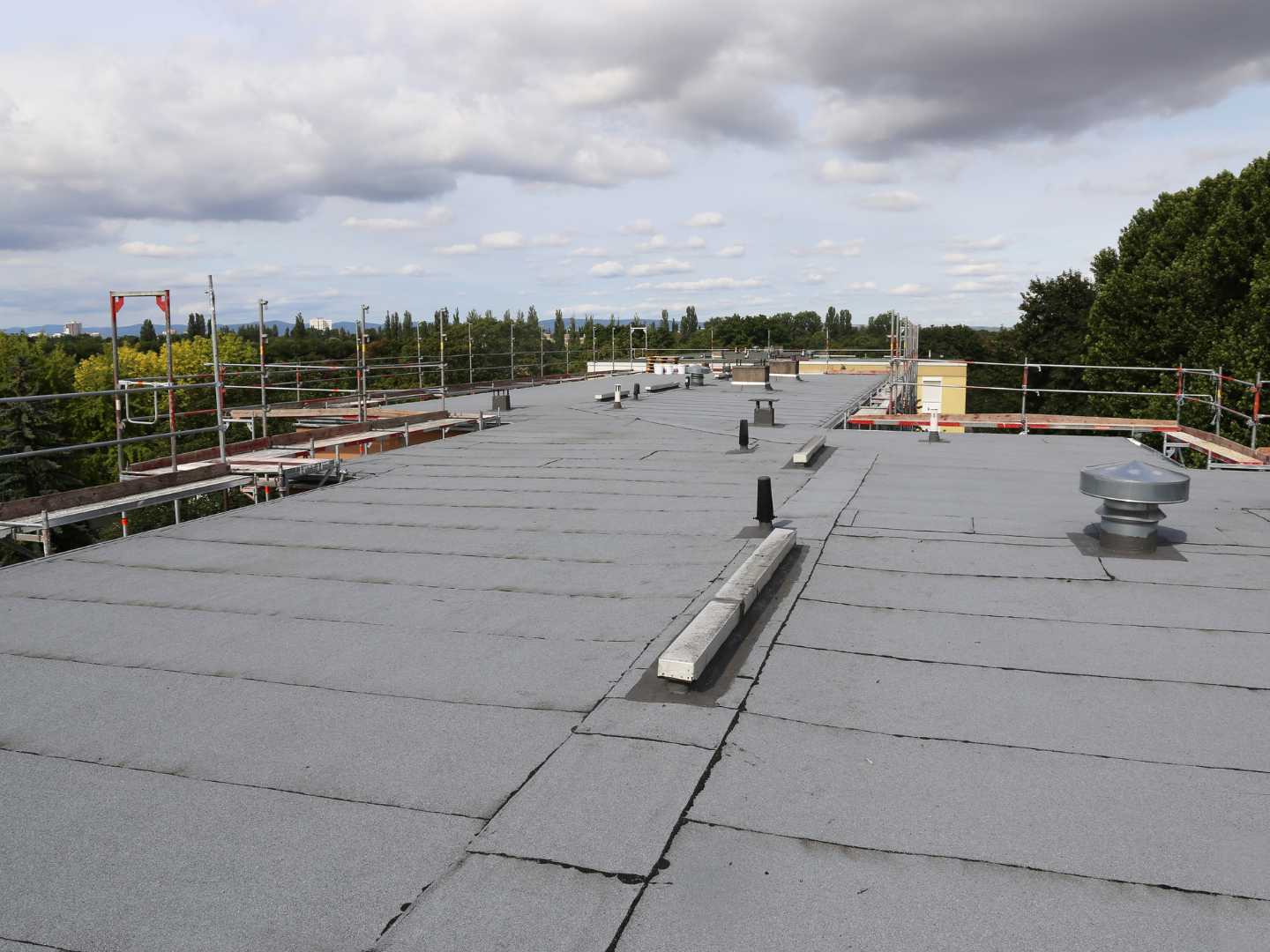
Flat and low-slope roofs present unique challenges in Vancouver's wet climate. Unlike pitched roofs that shed water quickly through gravity, flat roofs rely entirely on membrane integrity and drainage systems to prevent water infiltration. With 1,189mm of annual rainfall, Vancouver demands waterproofing materials that can handle standing water, resist organic growth, and maintain flexibility through our moderate temperature fluctuations.
Rubber roofing (EPDM) has become a standard solution for residential flat roofs, townhouse complexes, and low-rise buildings throughout Metro Vancouver. The material offers proven waterproofing, reasonable cost, and a 20-30 year service life when properly installed. Unlike built-up roofing or modified bitumen systems that use multiple layers and hot tar application, EPDM installs as a single-ply membrane that's faster, cleaner, and easier to repair.
Properties with flat roof garages, modern contemporary architecture in West Vancouver, townhouse developments in Burnaby and Richmond, and commercial buildings throughout the region rely on rubber roofing for reliable protection. This guide explains how EPDM performs in coastal climates, costs, maintenance requirements, and whether it suits your flat roof needs.
Why Rubber Roofing Is Popular for Flat Roofs in Vancouver
How Vancouver's Climate Impacts Flat & Rubber Roofs
Understanding our specific weather challenges helps evaluate EPDM's practical suitability for Vancouver applications.
Heavy Rain & Ponding Water
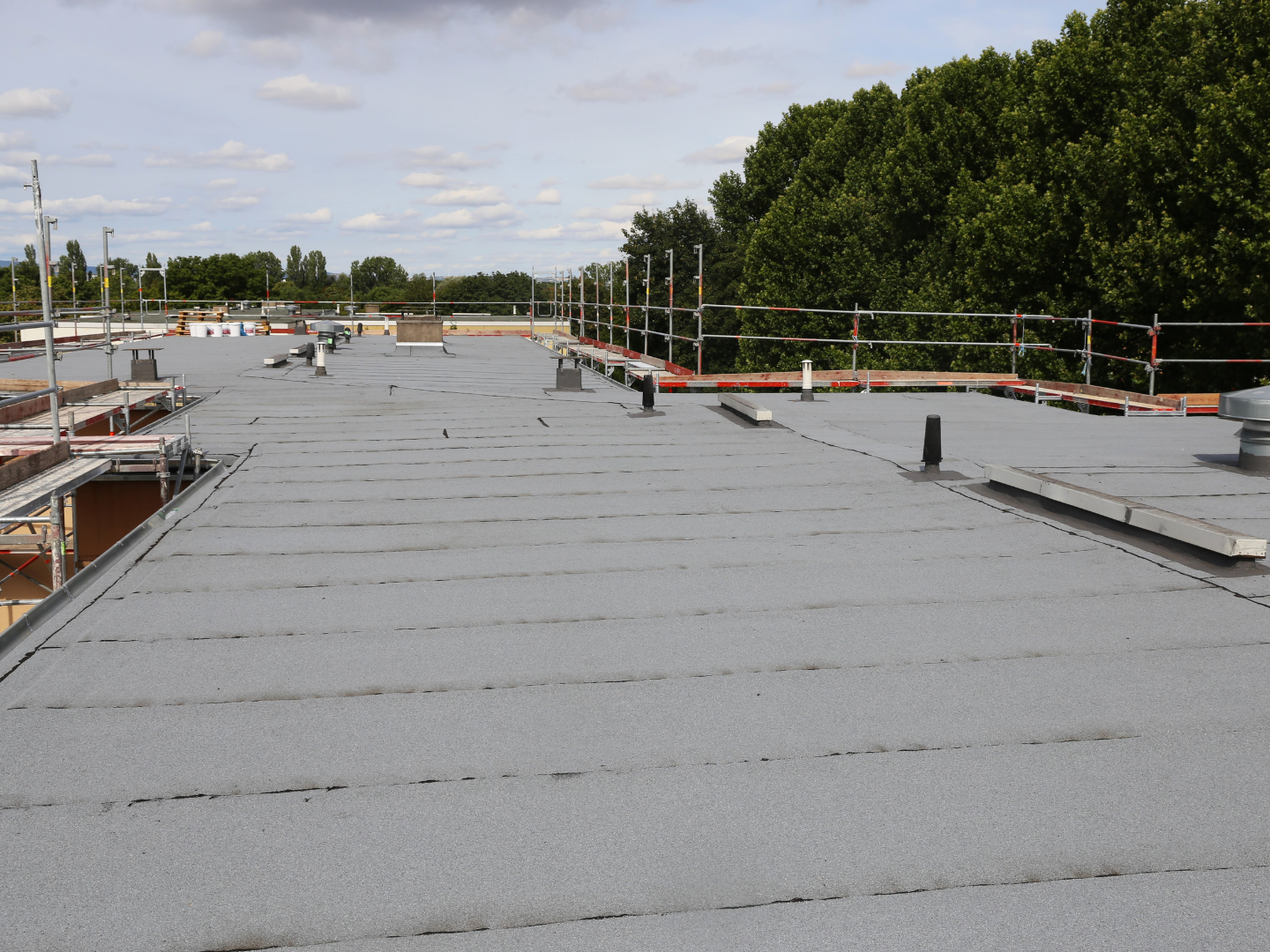
Standing water risks: Flat roofs, by definition, don't drain as efficiently as sloped surfaces. Even roofs with proper pitch (1/4 inch per foot minimum) can develop low spots where water ponds after heavy rain. Vancouver's frequent multi-day rain events in October through March create conditions where water sits on roofs for extended periods.
Membrane waterproofing: EPDM's synthetic rubber composition makes it completely waterproof. Unlike organic materials that absorb moisture or built-up systems with multiple seams, EPDM membranes resist water penetration even when submerged. This makes rubber roofing ideal for Vancouver's persistent dampness.
Drainage importance: While EPDM handles standing water better than many materials, proper drainage remains critical. Chronic ponding accelerates membrane aging through constant UV exposure to pooled water and increases weight loads on roof structures. Quality installations include adequate slope and drain placement to minimize water accumulation.
Moisture Infiltration & Leak Risk
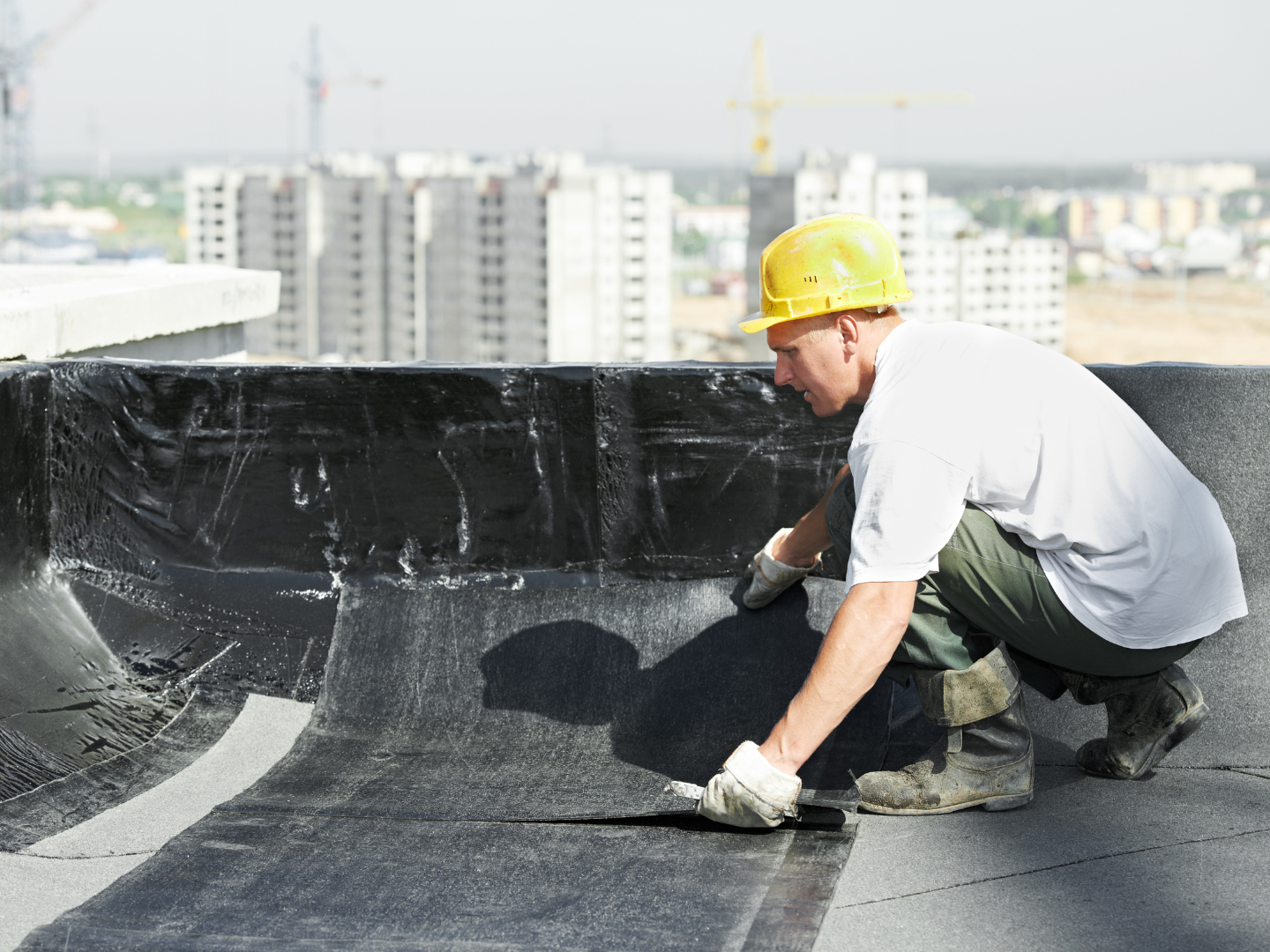
Seam vulnerabilities: EPDM installed in large sheets (often 10ft x 100ft rolls), minimizing seams. Where seams exist, tape or liquid adhesive bonds overlapping sections. These seam areas become potential leak points if installation quality is poor or materials degrade over time.
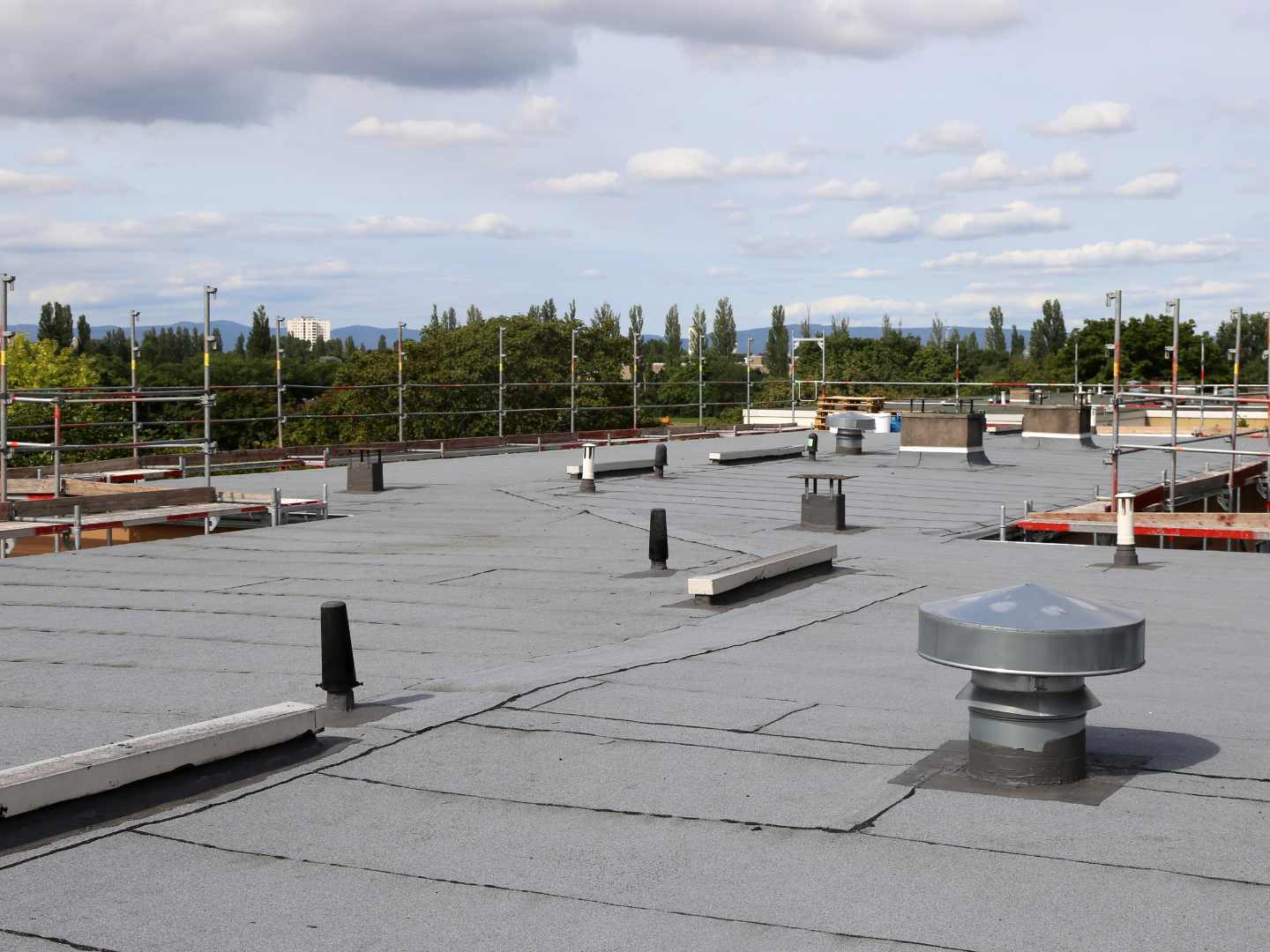
Penetration flashings: Roof vents, skylights, HVAC equipment, and pipe penetrations require flashing details that integrate membrane material with protruding elements. Improper flashing causes most flat roof leaks in Vancouver. Professional installation with attention to penetration details prevents water infiltration.
Maintenance inspection: Annual inspections catch seam separation, flashing degradation, or membrane damage before minor issues become interior leaks. Properties throughout Vancouver benefit from proactive flat roof maintenance programs that identify problems early.
Temperature Fluctuations & Material Expansion
Freeze-thaw cycles: While Vancouver doesn't experience extreme cold like interior BC, occasional winter temperatures drop below freezing. EPDM remains flexible to approximately -60°F, well beyond our coldest weather. This prevents the cracking and brittleness that affects some roofing materials during cold snaps.
UV exposure: Summer sun degrades roofing materials through ultraviolet radiation. EPDM includes carbon black pigment that absorbs UV without breaking down the molecular structure. Quality membranes resist UV damage for decades, though prolonged ponding water can accelerate surface oxidation.
Thermal movement: Materials expand when heated and contract when cooled. EPDM's elasticity accommodates this movement without tearing or separating from fasteners. The material "breathes" with temperature changes rather than fighting structural movement.
What Is Rubber Roofing (EPDM)?
Understanding the material helps set realistic expectations about performance and longevity.
EPDM Rubber Roofing Explained
Ethylene Propylene Diene Monomer: EPDM is a synthetic rubber manufactured from petroleum by-products. The material combines ethylene and propylene (derived from oil and natural gas) with diene monomers that create cross-linked molecular structures, providing flexibility and durability.
Single-ply membrane: Unlike built-up roofing that layers multiple sheets with hot tar between each layer, EPDM installs as a single waterproofing membrane. This simplifies installation, reduces weight, and creates fewer potential failure points.
Thickness options: EPDM comes in 45-mil (0.045 inch), 60-mil, and 90-mil thicknesses. Residential applications typically use 60-mil, balancing cost and durability. Commercial buildings or high-traffic areas may specify thicker 90-mil for enhanced puncture resistance.
How Rubber Roofing Is Installed
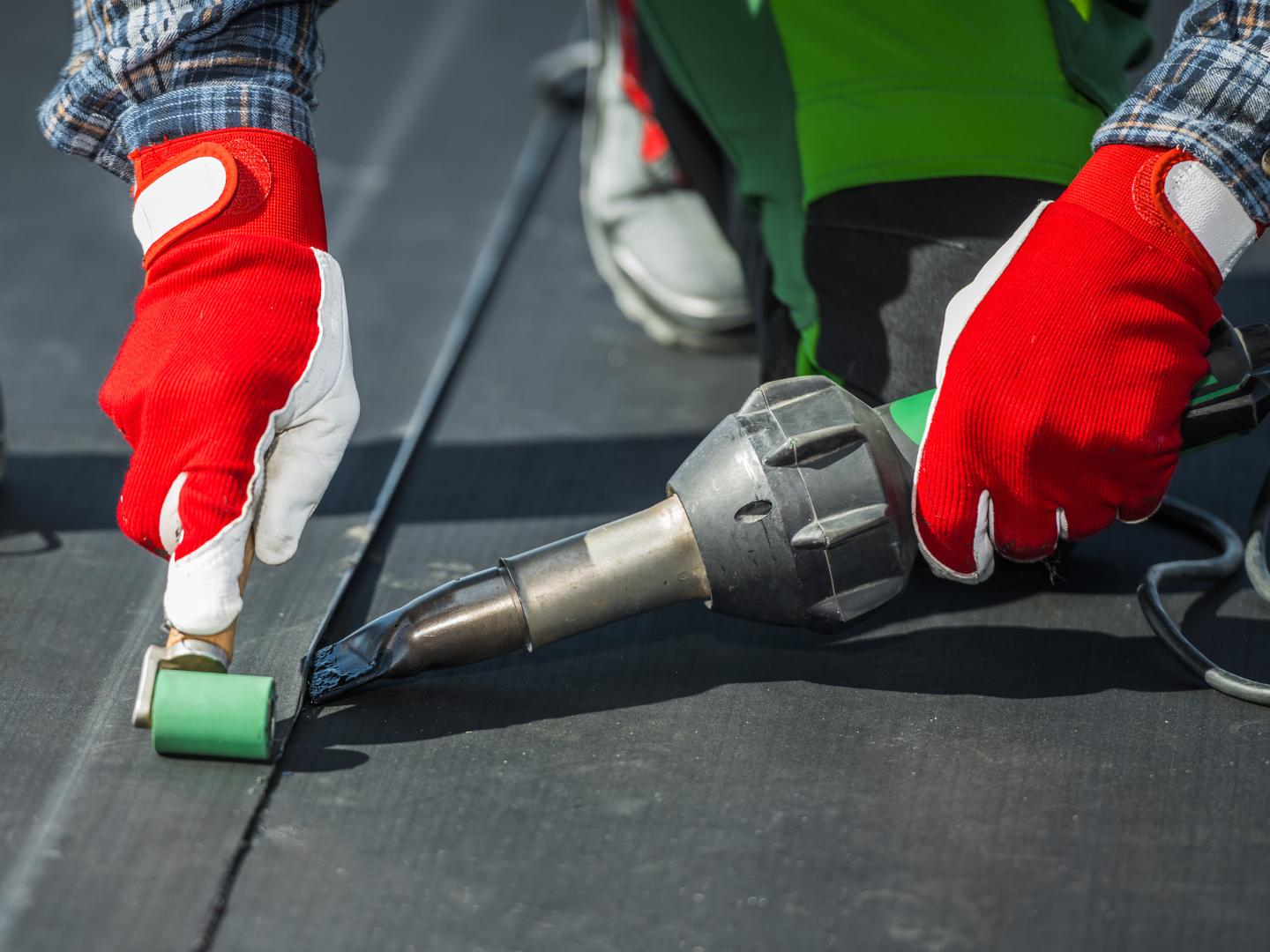
Fully adhered: Membrane bonds to deck or insulation using contact adhesive. This creates complete attachment across the entire roof surface, providing maximum wind uplift resistance and preventing water migration under the membrane if damage occurs.
Mechanically fastened: Membrane attaches to deck using fasteners and plates at intervals (typically 12-20 inches on center). Cover strips seal over fastening rows. This method installs faster than fully adhered and works well on recovering over existing roofs.
Ballasted systems: Membrane lies loosely on the deck, held in place by gravel, pavers, or ballast stones. Less common forresidential roofing, but it is used for some commercial applications. Requires structural capacity for added weight (10-15 pounds per square foot of ballast).
The installation method affects cost, performance, and warranty coverage. Vancouver's wind exposure and rain intensity favor fully adhered or mechanically fastened over ballasted systems for most applications.
| Feature | EPDM | Torch-On (SBS) |
|---|---|---|
| Installation | Adhesive or mechanical | Heat-welded seams |
| Seam strength | Good (tape or adhesive) | Excellent (fused) |
| Repairability | Easy (patches adhere well) | Moderate (requires torch) |
| Lifespan | 20-30 years | 20-30 years |
| Cost | $6-12/sq ft | $8-14/sq ft |
| Fire during install | None | Open flame (permit required) |
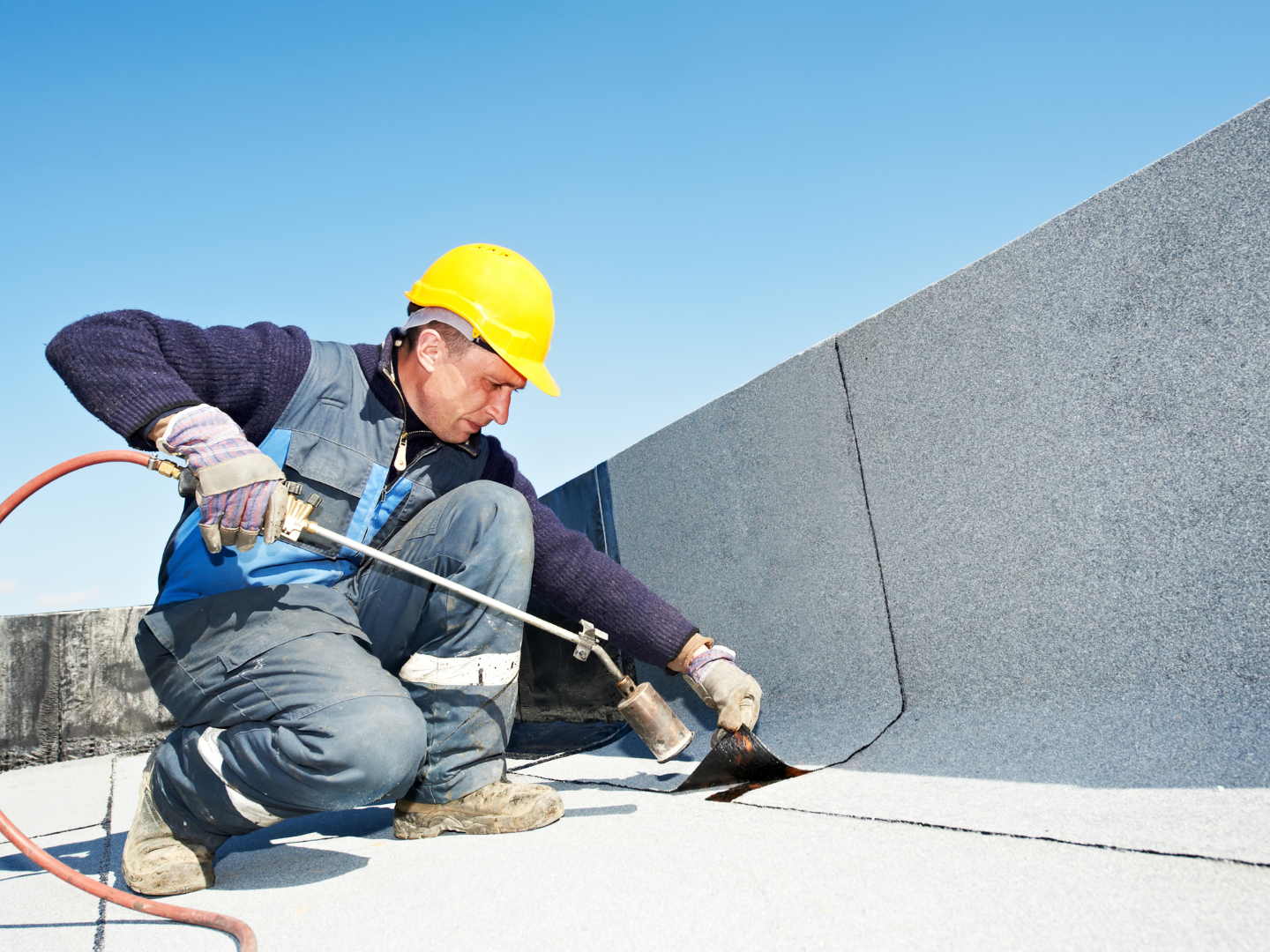
The Vancouver context: Torch-on's heat-welded seams provide superior water resistance but require open flame during installation. Dense urban areas and strata buildings often restrict torch use. EPDM's cold-applied installation has no fire risk, making it practical where torch-on isn't permitted.
Rubber Roofing vs Other Flat Roof Options in Vancouver
Comparing EPDM to alternatives helps clarify where it fits in the flat roofing market.
Rubber (EPDM) vs Torch-On (SBS)
Rubber (EPDM) vs TPO Roofing
TPO (thermoplastic polyolefin): White membrane with heat-welded seams. More reflective than black EPDM, potentially reducing cooling costs in summer.
Key differences:
- TPO reflects more solar radiation (white surface)
- TPO seams heat-weld (stronger than EPDM tape)
- TPO costs 15-25% more installed
- EPDM has a longer proven track record (60+ years vs 25 years for TPO)
For Vancouver applications, both materials perform well. TPO makes sense for properties prioritizing energy efficiency. EPDM suits budgets where proven longevity matters more than cooling cost savings (less relevant in our moderate climate).
Rubber (EPDM) vs Built-Up Roofing (BUR)
Built-up roofing: Multiple layers of tar paper and hot asphalt topped with gravel.
Advantages of EPDM over BUR:
- Weighs less (0.5-2 lbs/sq ft vs 4-6 lbs/sq ft with gravel)
- Faster installation (no hot tar application)
- Cleaner process (no asphalt fumes)
- Better low-temperature flexibility
BUR was Vancouver's standard flat roofing for decades, but has largely been replaced by single-ply membranes like EPDM that install faster, weigh less, and perform better in cold weather.
How Much Does Rubber Roofing Cost in Vancouver?
EPDM represents mid-range pricing for flat roofing materials. Understanding total project costs helps set budgets.
Factors That Affect Rubber Roofing Costs
Roof size & access: Larger roofs see economies of scale. Difficult access (no ground-level entry, tight urban sites, high-rise buildings) increases labor costs through rigging and material handling complexity.
Tear-off vs overlay: Removing existing roofing adds $1-3/sq ft for labor and disposal. Overlay (installing over existing membrane) saves money but may void manufacturer warranties and cannot address underlying deck problems.
Insulation & slope corrections: Adding or upgrading insulation improves energy efficiency but adds $2-5/sq ft. Slope corrections using tapered insulation to eliminate ponding areas add material and complexity.
Drainage upgrades: Installing additional drains, scuppers, or improving existing drainage systems ensures proper water flow. Costs vary from $200-800 per drain, depending on complexity.
Typical Rubber Roofing Cost Ranges
Complete installed costs for Vancouver:
Basic residential installation (small flat roof garage, 500-1,000 sq ft):
- Material (60-mil EPDM): $1.50-2.50/sq ft
- Labor: $3-5/sq ft
- Tear-off & disposal: $1-2/sq ft
- Total: $5.50-9.50/sq ft
- 800 sq ft garage: $4,400-7,600
Standard residential/strata (1,000-3,000 sq ft):
- Material: $2-3/sq ft
- Labor: $4-6/sq ft
- Tear-off, insulation upgrades, flashing: $2-4/sq ft
- Total: $8-13/sq ft
- 2,000 sq ft: $16,000-26,000
Commercial installation (3,000+ sq ft):
- Material: $1.75-2.75/sq ft
- Labor: $3.50-5.50/sq ft
- Removal, insulation, drainage: $2-4/sq ft
- Total: $7.25-12.25/sq ft
- 5,000 sq ft: $36,000-61,000
Prices include 60-mil EPDM, basic insulation, new flashings, and the tear-off of one layer. Complex projects with multiple penetrations, significant drainage work, or structural repairs cost more.
How Long Does Rubber Roofing Last in Vancouver?
EPDM typically lasts 20-30 years in coastal climates with proper installation and maintenance.
Why rubber roofing performs well in wet climates:
- Elasticity: Material remains flexible through temperature changes
- Waterproof: Zero water absorption in synthetic rubber
- UV resistant: Carbon black pigment protects against solar degradation
- Rot-proof: Synthetic material can't rot or support organic growth
What shortens lifespan:
- Poor installation: Inadequate seam bonding, improper fastening, or flashing errors cause premature failure
- Inadequate drainage: Chronic ponding accelerates membrane aging and increases leak risk
- Deferred maintenance: Minor punctures or seam issues escalate when ignored
- Foot traffic damage: Frequent walking on the membrane without protection causes wear
- Sharp object contact: Protruding fasteners, equipment corners, or debris puncture the membrane
Vancouver-specific considerations: Our moderate climate without extreme heat or severe cold actually favors EPDM longevity. Roofs in Arizona or Texas face more aggressive UV and heat aging. Vancouver EPDM roofs reaching 25-30 years is common with proper
maintenance.
Waterproofing Benefits of Rubber Roofing
EPDM's primary advantage is reliable waterproofing in challenging flat roof applications.
Seam Design & Leak Resistance
Fewer seams advantage: Large membrane sheets (10ft x 100ft or custom sizes) mean fewer seams than older systems. A 2,000 sq ft roof might have only 2-3 major seams versus dozens in built-up roofing.
Seam bonding methods:
- Tape: Pressure-sensitive or splice tape bonds overlapping membrane edges
- Liquid adhesive: Covers seam areas with a permanent adhesive bond
- Primers: Enhance adhesion on challenging surfaces
Quality installation with proper surface preparation and seam technique creates watertight connections that last for decades.
Flashing & Penetration Integration
Critical areas requiring attention:
- Roof vents: Plumbing stacks, exhaust vents need membrane integration with pipe boots or custom flashings
- Skylights: Curbed skylights require custom membrane corners and sealing
- HVAC equipment: Rooftop units need pitch pans or manufactured flashings
- Ventilation: Intake and exhaust penetrations require flashing boots
Each penetration creates a potential leak path if flashing is inadequate. Professional installation with manufacturer-approved details prevents water infiltration.
Handling Ponding Water
Drain placement: Roof drains should be located at low points. Multiple drains prevent complete failure if one clogs.
Slope improvements: Minimum 1/4 inch per foot slope directs water toward drains. Tapered insulation systems create a slope on structurally flat decks.
Scuppers & overflow: Secondary drainage (overflow scuppers) provides backup if primary drains fail or clog.
While EPDM tolerates ponding better than many materials, eliminating standing water extends membrane life and reduces weight loads on the structure.
Pros & Cons of Rubber Roofing in Vancouver
Pros
✓ Excellent waterproofing - Proven performance in wet climates
✓
Flexible & durable - Accommodates structural movement and temperature changes
✓
Easy to repair - Patches adhere directly to the existing membrane
✓
Cold-weather flexibility - Remains pliable to -60°F
✓
Lightweight - 0.5-2 lbs/sq ft (minimal structural load)
✓
Fast installation - Single-ply system installs quickly
✓
Cost-effective - Mid-range pricing with good longevity
✓
Low maintenance - Requires minimal attention compared to built-up systems
Cons
✗ Appearance - Black rubber aesthetic lacks visual appeal
✗
Puncture vulnerability - Can be damaged by sharp objects or equipment
✗
Seam concerns - Tape seams can fail if the installation quality is poor
✗
UV exposure - Prolonged ponding can accelerate surface aging
✗
Foot traffic wear - Frequent walking causes membrane degradation
Common Myths About Rubber Roofing
Myth: "Rubber roofs always leak."
Reality: Properly installed EPDM with good seam work and flashing creates a reliable waterproof barrier. Leaks stem from installation errors or deferred maintenance, not material deficiencies.
Myth: "Rubber roofs don't last."
Reality: EPDM routinely achieves 25-30 years in Vancouver conditions. Some roofs exceed 40 years with proper care. The material itself is durable—installation quality and maintenance determine lifespan.
Myth: "Rubber roofing is only for commercial buildings."
Reality: EPDM works for residential flat roof garages, townhouse complexes, contemporary homes, and any flat or low-slope application. The material scales to any size project.
Myth: "You can't walk on rubber roofs."
Reality: EPDM tolerates occasional foot traffic for maintenance. Use walk pads for frequent access areas. Avoid dragging equipment or sharp objects that can puncture the membrane.
Myth: "All EPDM products perform equally."
Reality: Quality differences exist. Premium membranes include better UV inhibitors, thicker material, and enhanced flexibility. Manufacturer reputation and warranty terms matter.
Is Rubber Roofing a Good Choice in Vancouver?
EPDM makes sense if you:
- Have a flat or low-slope roof (under 3:12 pitch)
- History of flat roof leaks requiring reliable waterproofing
- Budget $8-13/sq ft for a mid-range flat roofing solution
- Plan long-term ownership (15-25 years to realize value)
- Want proven material with a 60+ year market history
- Need installation without open flame (strata, urban restrictions)
Consider alternatives if:
- Appearance matters (TPO available in white, other colors)
- The building has structural capacity issues (all flat roofing adds load)
- Roof has complex penetrations (metal standing seam might suit better)
- Budget allows premium options (TPO, PVC offer advantages)
The Vancouver context: EPDM's moderate cost, proven performance in wet climates, and straightforward repairs make it practical for residential and small commercial flat roofs throughout Metro Vancouver.
Rubber Roofing (EPDM) in Vancouver – FAQs
Is EPDM rubber roofing good for Vancouver flat roofs?
Yes. EPDM is a proven flat-roof membrane in Vancouver because it is fully waterproof, stays flexible in cool weather, and handles frequent rain and damp conditions reliably.
How long does EPDM rubber roofing last in Vancouver?
Most EPDM roofs last 20–30 years in Vancouver when installed correctly and maintained with periodic inspections and minor repairs.
Can EPDM handle ponding (standing) water on flat roofs?
EPDM tolerates standing water better than many materials, but chronic ponding should still be corrected with proper slope and drainage to reduce long-term wear and leak risk.
What causes most EPDM flat roof leaks in Vancouver?
Most leaks come from poorly detailed seams and flashings, especially around drains, skylights, vents, HVAC curbs, and wall transitions not from the EPDM membrane itself.
Is EPDM better than torch-on roofing for Vancouver?
EPDM is often preferred where open-flame torch work is restricted or fire risk is a concern, while torch-on can offer very strong fused seams; the “best” option depends on roof design, access, and project constraints.
How much maintenance does an EPDM roof need?
EPDM roofs typically need annual inspections, drain clearing, and prompt patching of small punctures or seam issues to prevent water damage.
When is EPDM rubber roofing the right choice?
EPDM is a strong choice for flat or low-slope roofs, garages, townhomes, and low-rise buildings where you want durable waterproofing, easy repairs, and a clean installation method without open flame.
Next Steps for Rubber Roofing in Vancouver
Ready to explore EPDM for your flat roof? Here's how to proceed:
- Roof inspection - Assess current condition, identify leak sources
- Drainage evaluation - Check for ponding areas, inadequate slope
- Get multiple quotes - Compare proposals from experienced flat roof contractors
- Verify credentials - Confirm licensing, insurance, manufacturer certifications
- Understand warranties - Review material and workmanship coverage
Working with Paragon Roofing BC
Paragon Roofing BC provides flat roofing services throughout Metro Vancouver. Our team evaluates existing conditions, discusses material options, and delivers accurate cost estimates for rubber roofing projects.
We help property owners understand whether EPDM suits their needs or if alternative flat roofing systems would better serve their specific application.
Resources:
Rubber roofing delivers reliable flat roof waterproofing at a reasonable cost. For Vancouver properties requiring proven performance in wet conditions, EPDM provides a practical solution backed by decades of field experience.
All pricing is for general informational purposes only and is subject to change. EPDM rubber roofing costs in Vancouver vary based on roof size, slope/drainage needs, tear-off requirements, insulation upgrades, roof access, penetrations, and current material and labour conditions. Final pricing is confirmed only after an on-site inspection and a written scope of work.
Here's What Our Existing Clients Think.
Home and business owners we've served across the greater Vancouver area.
Our Google Reviews
Edit Google Reviews Widget
We look forward to helping you.
For all your roofing needs, contact Paragon Roofing BC — call, text, or email us at 604-358-3436
Paragon Res Roof Install #2
We will get back to you as soon as possible.
Please try again later.