Stone-Coated Steel Roofing in Vancouver: Strength, Style & Weather Resistance

Vancouver homeowners face a challenge: they want roofing materials that look traditional but perform like premium products. Asphalt shingles look familiar but need replacement every 20-25 years. Cedar shake offers classic West Coast aesthetics but rots in our wet climate. Standard metal roofing lasts decades but looks industrial.
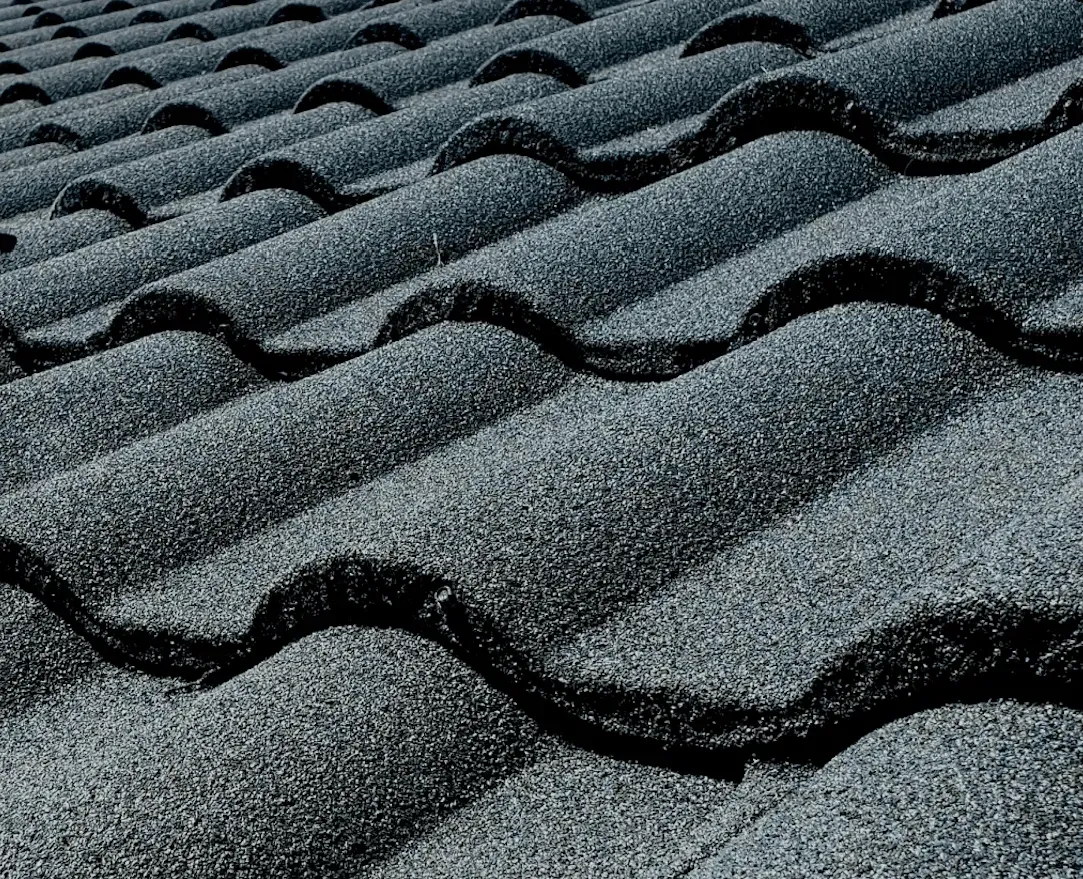
Stone-coated steel roofing solves this dilemma. The material combines a galvanized steel core with natural stone granule coating, creating roofs that mimic shake, tile, or shingle aesthetics while delivering 40-70 year lifespans. The panels weigh just 50-150 pounds per square, making them lighter than tile or slate but durable enough for Vancouver's 1,189mm annual rainfall, occasional windstorms, and moss challenges.
Stone-coated steel has gained traction in Metro Vancouver's luxury home market, strata developments, and among homeowners prioritizing long-term value over initial cost. Properties in West Vancouver, North Vancouver, and upscale neighborhoods throughout the region increasingly choose stone-coated steel for its combination of traditional appearance and modern performance.
This guide explains how stone-coated steel performs in coastal climates, structural advantages for Vancouver homes, costs, and whether it suits your property.
Why Stone-Coated Steel Roofing Is Gaining Attention in Vancouver
How Stone-Coated Steel Performs in Vancouver's Coastal Climate
Understanding performance in our specific weather patterns helps evaluate practical suitability.
Heavy Rain & Water Shedding
Interlocking panel design: Unlike individual shingles, stone-coated steel installs as interlocking panels with hidden fasteners. This creates continuous coverage with minimal seams where water could penetrate.
Steel core advantages: The steel substrate doesn't absorb water, rot, or degrade from repeated wet-dry cycles. This makes it superior to organic materials (cedar, asphalt) in Vancouver's persistently damp climate.
Performance in downpours: Properties near North Shore mountains or waterfront areas experience intense rainfall. Stone-coated steel's non-porous core and overlapping panel design handle these conditions without the swelling, warping, or degradation that affects wood-based products.
Underlayment importance: Like all roofing systems, stone-coated steel relies on quality underlayment for primary waterproofing. The steel panels protect the underlayment from UV, impact, and weathering while shedding water effectively.
Wind Resistance & Storm Performance
High wind ratings: Quality stone-coated steel systems withstand winds of 110-130 mph when properly installed. Vancouver's occasional winter windstorms (80-90 km/h gusts) are well within performance limits.
Secure fastening systems: Hidden fasteners attach panels to deck sheathing or battens. The interlocking design creates unified coverage that resists wind uplift better than individual shingles or tiles.
Impact resistance: The steel core absorbs impact from falling branches, hail, and debris without cracking or breaking. This durability prevents damage that requires immediate repair after storms.
Moss, Algae & Organic Growth Resistance
Granule-coated surfaces: The stone coating provides a texture similar to asphalt shingles. In heavily shaded Vancouver properties (Dunbar, Kerrisdale, forested areas of West Vancouver), moss can establish on this texture.
Reduced moisture retention: Steel doesn't absorb water like organic materials. While moss may grow on the surface in shaded conditions, it won't cause the rot and structural damage associated with cedar shake or asphalt deterioration.
Maintenance realities: Properties with clear solar exposure see minimal moss growth. Shaded roofs require periodic cleaning every 3-5 years. Use gentle methods (soft brushes, low-pressure water) rather than aggressive pressure washing that can dislodge stone granules.
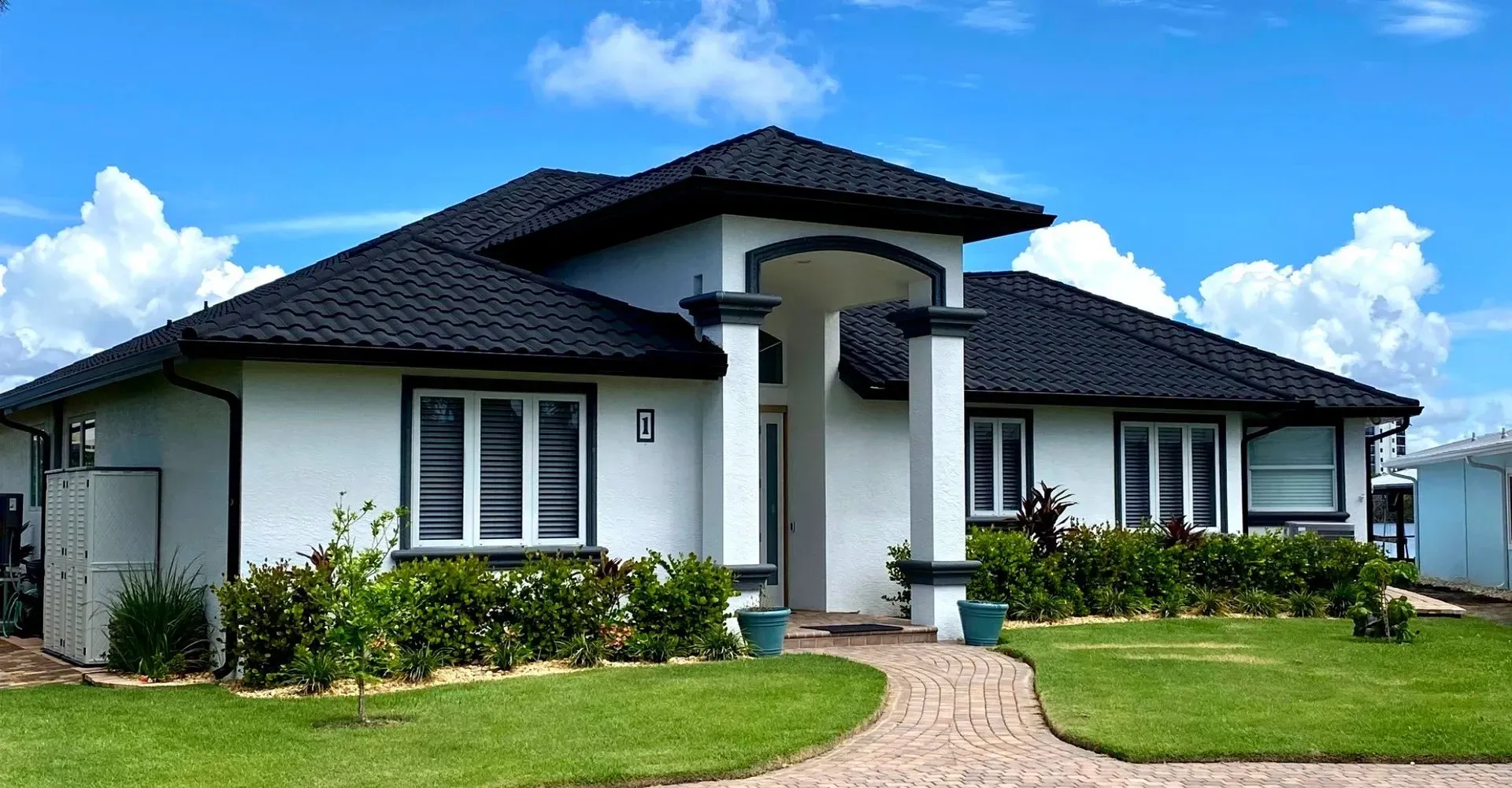
Understanding Stone-Coated Steel Roofing Systems
Before evaluating whether stone-coated steel suits your property, understanding the material and construction provides context.
How Stone-Coated Steel Roofing Is Made
Steel base: Panels form from 24- or 26-gauge galvanized or Galvalume steel. This provides structural strength and corrosion resistance.
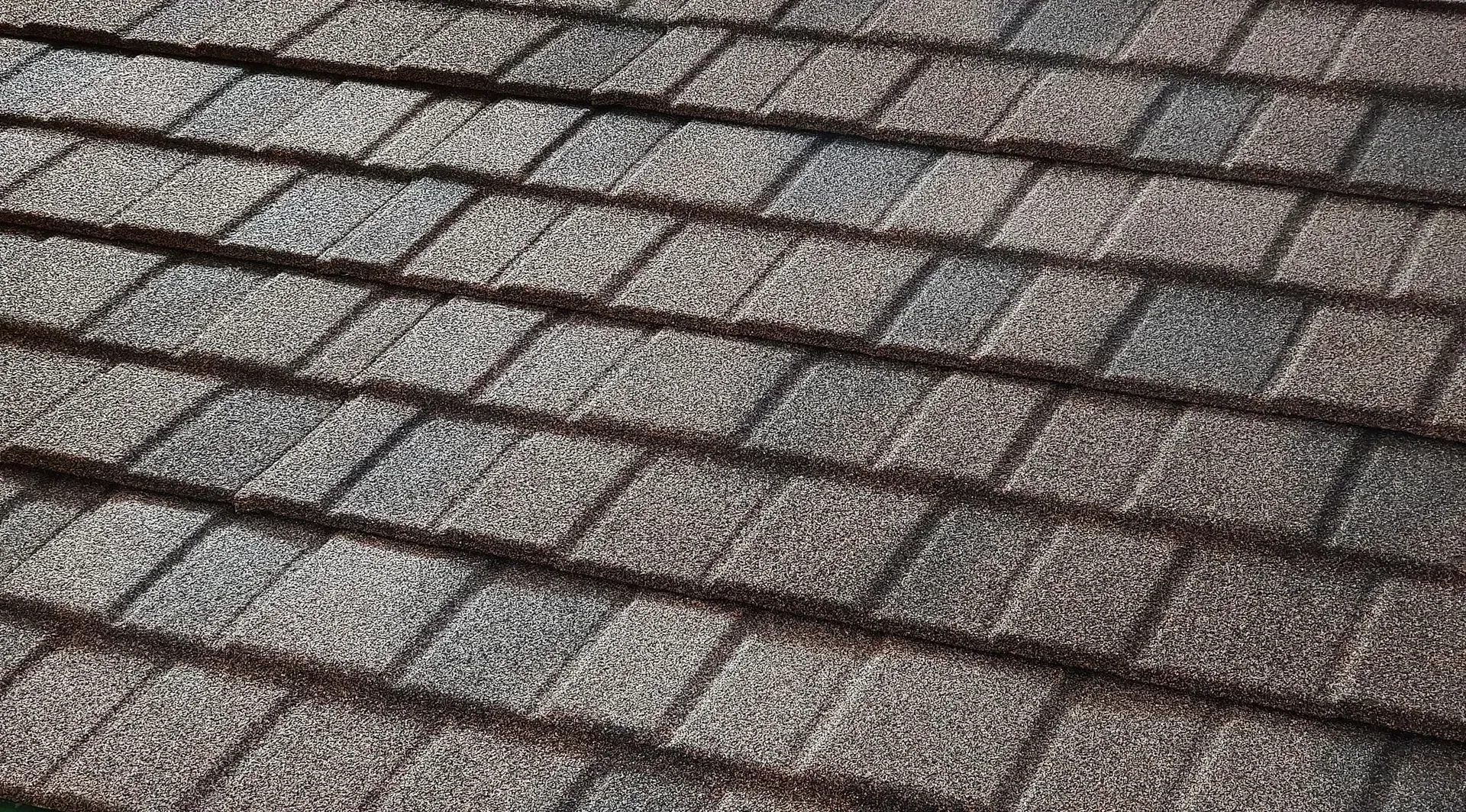
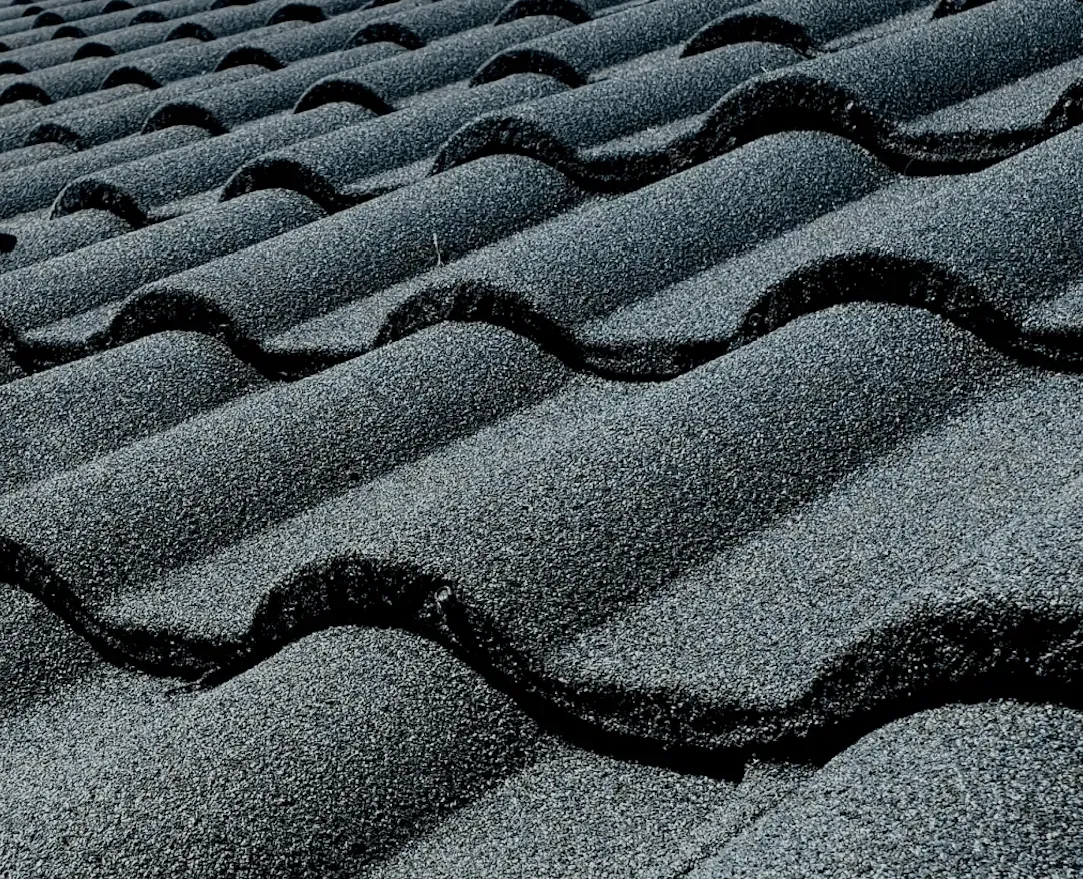
Stone granule coating: Natural stone chips are embedded in a weather-resistant adhesive layer bonded to the steel surface. This creates texture and appearance similar to traditional materials.
Protective seal layers: Clear acrylic topcoat seals the stone granules and provides UV protection. Multiple layers create an integrated weather barrier.
The result: Roofing that mimics shingles, clay tiles, or cedar shakes without the cracking, splitting, or excessive weight of traditional materials.
Panel Profiles & Styles
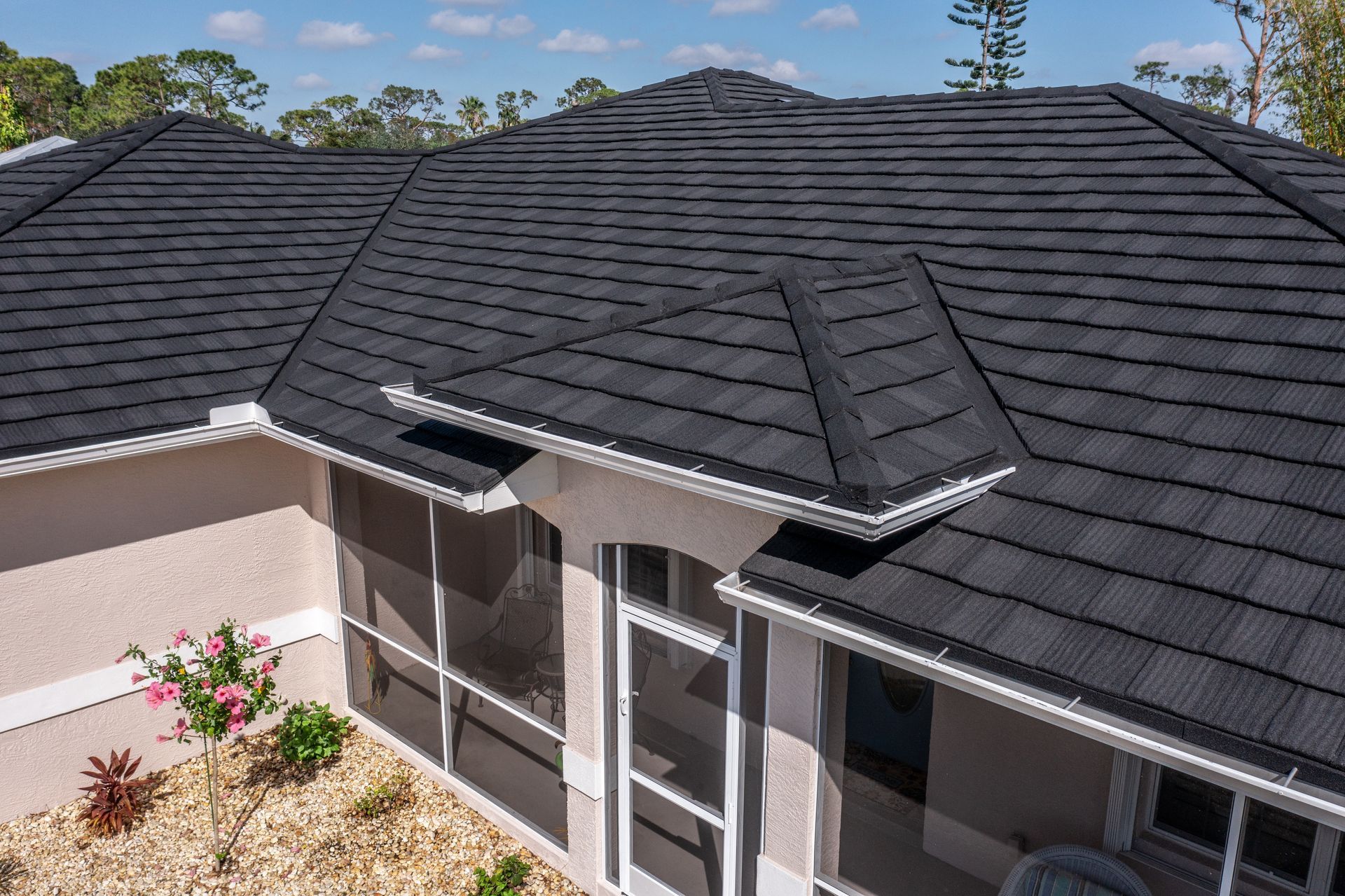
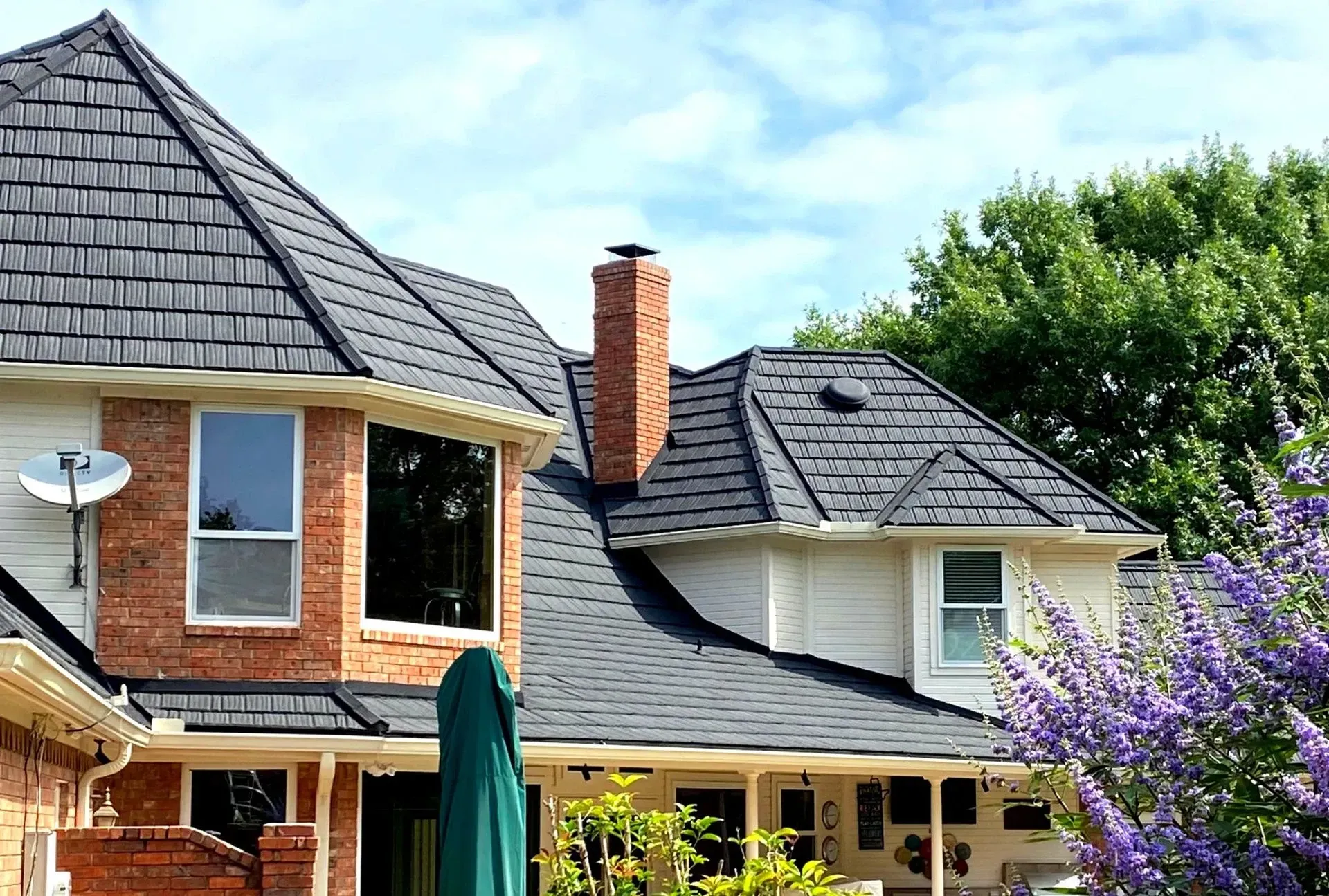
Shake-style: Textured profiles replicating cedar shake appearance. Ideal for West Coast contemporary homes, Craftsman architecture, and properties where cedar aesthetics are desired without maintenance requirements.
Shingle-style: Dimensional profiles mimicking architectural asphalt shingles. Suits traditional and contemporary residential architecture throughout Vancouver neighborhoods.
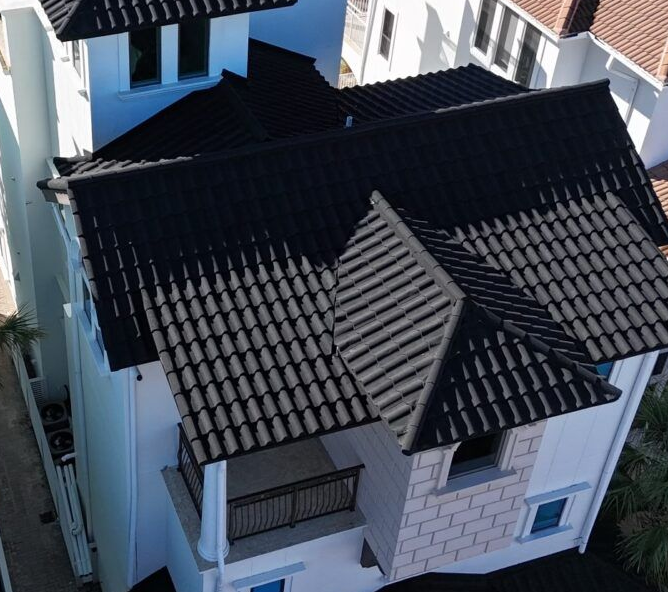
Tile-style: Profiles replicating the clay or concrete tile appearance. Works for Mediterranean, Spanish, or Mission-style architecture without the structural reinforcement tile required.
Color options: Wide range, including earth tones, greys, browns, and specialty colors. Factory-applied colors maintain appearance longer than field-applied coatings.
How Stone-Coated Steel Roofs Are Installed
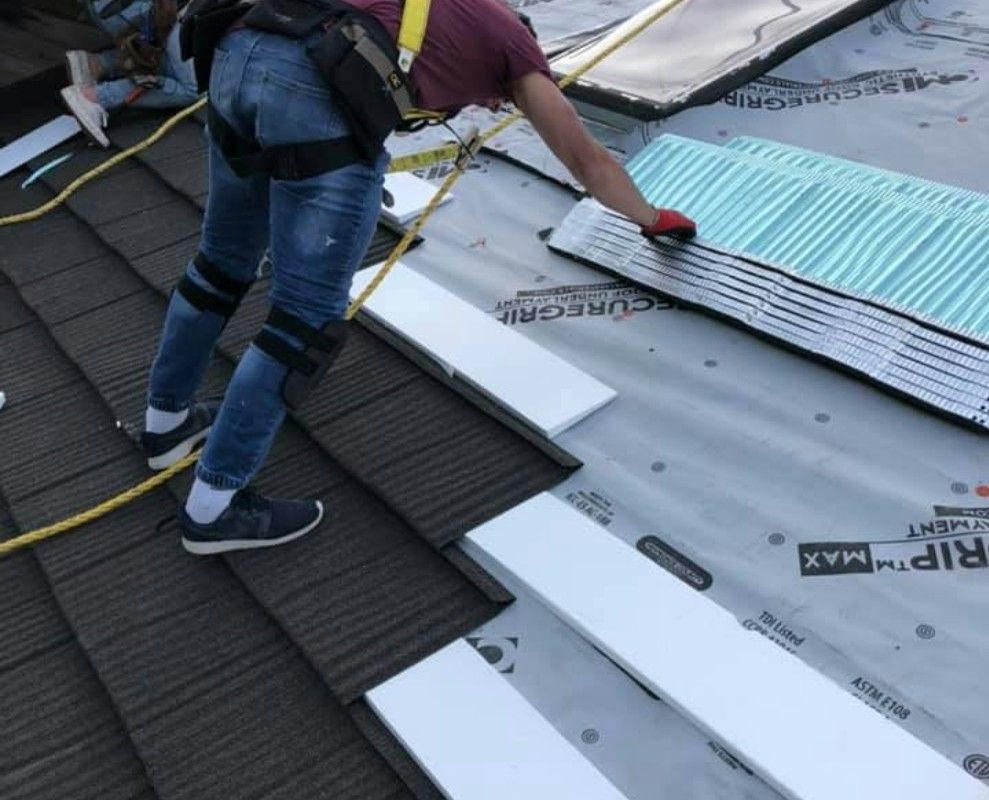
Interlocking panels: Each panel connects to adjacent units, creating unified coverage. This differs from individual shingles or tiles installed separately.
Hidden fasteners: Fastening points hide beneath overlapping panels rather than being exposed to weather. This prevents water infiltration at fastener locations and enhances appearance.
Batten or direct-to-deck: Installation over horizontal battens creates ventilation airspace. Direct-to-deck installation works where ventilation occurs through other means.
Specialized skills: Professional installation by contractors experienced with stone-coated steel ensures proper fastening, flashing integration, and panel alignment for optimal performance
Stone-Coated Steel vs Traditional Metal Roofing
These materials share steel construction but differ in appearance and acoustic properties.
Appearance & Architectural Appeal
Traditional metal: Exposed standing seam or corrugated panels have a contemporary, industrial aesthetic. Works for modern architecture but may not suit traditional neighborhoods.
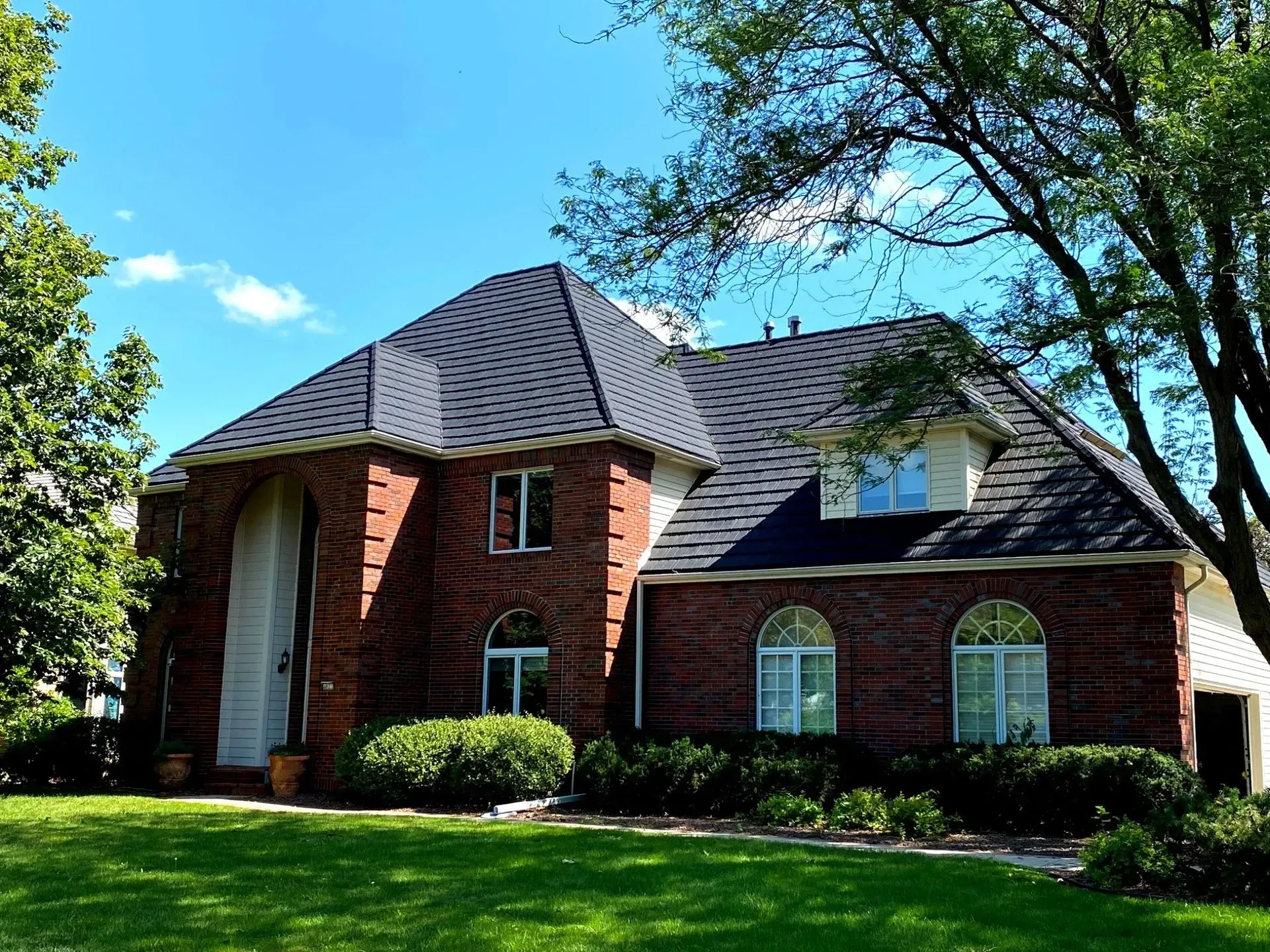
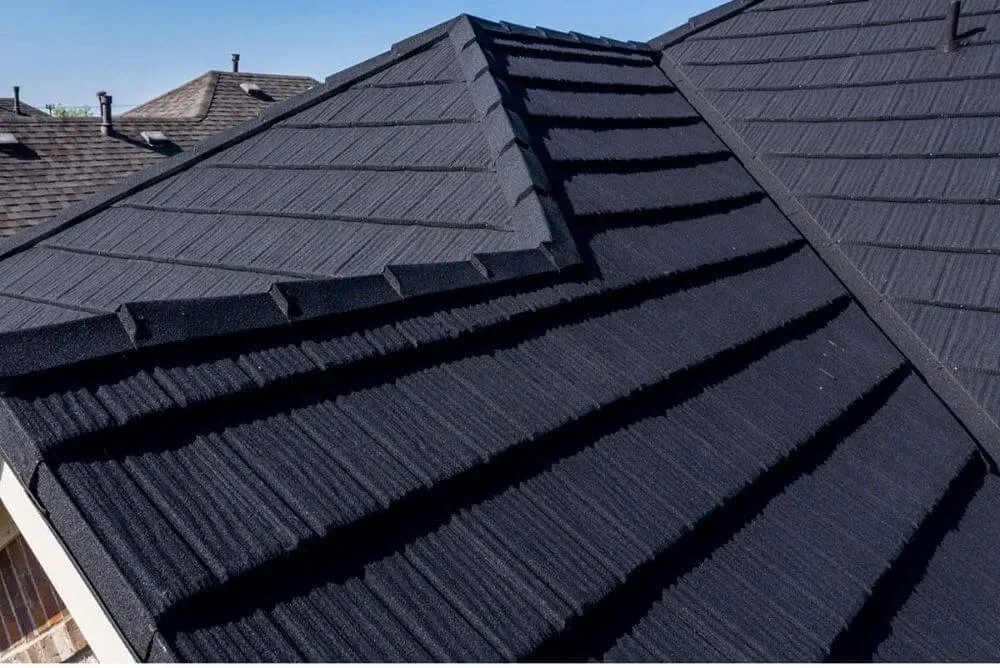
Stone-coated steel: Textured granule coating creates a traditional appearance acceptable in heritage areas, HOA-governed communities, and character neighborhoods throughout Vancouver where exposed metal wouldn't be appropriate.
Heritage compatibility: Character home districts in Mount Pleasant, Fairview, and Kitsilano often have design guidelines. Stone-coated steel's traditional appearance satisfies requirements that would exclude exposed metal.
Noise Reduction Benefits
The concern: Bare metal roofing can amplify rain noise, creating drumming sounds during Vancouver's frequent rain events.
Stone-coated advantage: Stone granules and underlayment dampen sound significantly, with most homeowners reporting little noticeable difference compared to traditional roofing. Additional attic insulation further reduces any remaining sound transmission.
Practical difference: Properties with finished attic spaces or cathedral ceilings beneath roofs benefit particularly from stone-coated steel's acoustic dampening versus exposed metal panels.
Weight & Structural Impact
Comparison to materials:
| Material | Weight per Square (100 sq ft) |
|---|---|
| Stone-coated steel | 50-150 lbs |
| Asphalt shingles | 230-430 lbs |
| Cedar shake | 250-350 lbs |
| Clay tile | 850-1,050 lbs |
| Natural slate | 800-1,500 lbs |
Stone-coated steel is lighter than asphalt shingles and dramatically lighter than tile or slate. This allows installation on structures that couldn't support heavier premium materials.
How Much Does Stone-Coated Steel Roofing Cost in Vancouver?
Stone-coated steel represents mid-to-premium pricing. Understanding total project costs helps set realistic budgets
Factors That Affect Stone-Coated Steel Roofing Costs
Roof size & complexity:
- Larger roofs (2,500+ sq ft): Some economy of scale
- Steep pitch (8/12+): Premium labor rates for safety equipment
- Multiple valleys, dormers, and hips: Increased cutting and flashing work
Installation complexity:
- Chimney flashings requiring custom details
- Skylight integrations
- Roof penetrations for vents and pipes
- Complex roof geometry
Panel style & quality:
- Basic profiles: $8-11/sq ft material cost
- Premium profiles with enhanced granule coating: $10-14/sq ft
- Custom colors: +10-15%
Tear-off vs overlay: Most installations require the complete tear-off of existing materials. Structural deck inspection and repair add costs when needed.
Typical Stone-Coated Steel Roofing Cost Ranges
Complete installed costs for Vancouver:
Standard installation (moderate complexity):
- Material: $9-12/sq ft
- Labor: $6-9/sq ft
- Underlayment & flashing: $2-4/sq ft
- Total: $17-25/sq ft
- 2,000 sq ft roof: $34,000-50,000
Premium installation (complex roof, premium product):
- Material: $12-16/sq ft
- Labor: $8-12/sq ft
- Premium underlayment & copper flashing: $4-6/sq ft
- Total: $24-34/sq ft
- 2,000 sq ft roof: $48,000-68,000
Comparison:
- Asphalt shingle replacement: $10,000-18,000
- Cedar shake: $24,000-40,000
- Stone-coated steel: $34,000-68,000
- Natural slate: $40,000-100,000+
Stone-coated steel costs 2-3x more than asphalt but less than slate or premium tile while delivering superior longevity to asphalt.
How Long Does Stone-Coated Steel Roofing Last in Vancouver?
Lifespan expectations range from 40 to 70 years with proper installation. This significantly exceeds asphalt shingles (20-25 years) and approaches or matches traditional metal roofing longevity.
Why it lasts in wet climates:
- No rot or organic degradation
- Zero water absorption in the steel core
- Corrosion-resistant coatings (galvanized or Galvalume)
- Stone granules protect against UV degradation
- Fire-resistant (Class A rating)
What can shorten lifespan:
- Improper installation: Incorrect fastening, inadequate underlayment, or poor flashing integration causes premature failure. Manufacturer warranties often require certified installers.
- Deferred maintenance: Minor issues (loose panels, damaged flashings, debris accumulation) escalate when ignored. Annual inspections catch problems early.
- Coating wear: In extreme UV exposure, stone granules can gradually dislodge over decades. Quality products minimize this through enhanced adhesive systems.
Lifecycle value: Installing stone-coated steel at $45,000 lasts 50+ years. Two asphalt replacements over the same period cost $36,000-48,000 combined, plus disposal fees and disruption. The economics favor stone-coated steel for long-term ownership.
Weight & Structural Benefits of Stone-Coated Steel
Weighing 50-150 pounds per square, stone-coated steel puts less stress on home structures than tile or concrete. This creates opportunities for properties that couldn't support heavier premium materials.
Ideal for older Vancouver homes: Heritage properties in Strathcona, Fairview, and Mount Pleasant often have dimensional lumber framing (2x6 or 2x8 rafters) adequate for asphalt but marginal for tile. Stone-coated steel provides a premium appearance and longevity without structural reinforcement.
Reduced retrofit costs: Properties considering upgrades from asphalt to premium materials face $5,000-25,000 structural reinforcement costs for tile or slate. Stone-coated steel eliminates these expenses while delivering comparable aesthetics.
Faster installation: Lighter materials are easier to handle, reducing labor time and safety risks. Installation typically takes 3-5 days for average homes versus 5-10 days for tile or slate.
Seismic advantages: In Vancouver's earthquake zone (Cascadia Subduction Zone), lighter roofing reduces top-heavy structural response during seismic events. Stone-coated steel's minimal weight improves building performance compared to heavy tile.
Proper Stone-Coated Steel Roof Installation in Vancouver
Installation quality determines whether stone-coated steel delivers its promised performance.
Deck preparation & underlayment: Solid sheathing (plywood or OSB) provides substrate for panel fastening. Synthetic underlayment appropriate for Vancouver's wet climate (not traditional felt). Ice and water shield at eaves, valleys, and penetrations prevents moisture infiltration.
Flashing & penetrations: Metal flashing (copper or stainless for longevity) integrates with panel systems at chimneys, skylights, walls, and roof penetrations. Hidden fastener systems create a clean appearance while preventing water entry.
Certified installation importance: Manufacturers require installation by certified contractors to maintain warranty coverage. Improper installation can lead to incorrect fastening, leaks, reduced lifespan, and panels shifting over time. Hiring experienced contractors prevents these issues.
Maintaining Stone-Coated Steel Roofs in Vancouver
Stone-coated steel requires less maintenance than organic materials but benefits from periodic attention.
Inspection schedule:
- Years 1-10: Annual visual inspections
- Years 10-30: Biannual professional inspections
- Years 30+: Annual professional inspections
Key maintenance:
- Debris removal from valleys and gutters (twice yearly)
- Moss treatment in shaded areas (every 3-5 years as needed)
- Fastener checks after windstorms
- Flashing condition monitoring
- Tree trimming to prevent branch contact
Comparison to other materials:
- Asphalt: Requires frequent shingle replacement, sealant touch-ups, and moss removal
- Cedar: Needs treatment every 2-3 years, regular moss removal, and individual shake replacement
- Standard metal: Minimal maintenance, but exposed fasteners can corrode
- Stone-coated steel: Low maintenance with periodic inspections and cleaning
Pros & Cons of Stone-Coated Steel Roofing in Vancouver
Pros
✓ Extremely durable - Resists impact, wind, and weather better than asphalt or cedar
✓
Long lifespan - 40-70 years (2-3x longer than asphalt)
✓
High wind resistance - Withstands 110-130 mph winds
✓
Traditional appearance - Mimics shake, tile, or shingles without looking industrial
✓
Lower maintenance - Less frequent attention than organic materials
✓
Lightweight - 50-150 lbs/sq (no structural reinforcement needed)
✓
Fire resistant - Class A rating
✓
Noise dampening - Stone coating reduces rain noise vs bare metal
✓
Energy efficient - Reflective properties reduce heat gain
Cons
✗ Higher upfront cost - 2-3x more than asphalt ($34,000-68,000 vs $10,000-18,000)
✗
Installation quality critical - Requires experienced contractors; improper installation voids warranties
✗
Granule loss over time - Decades of UV exposure can dislodge some granules (quality products minimize this)
✗
Limited contractor availability - Fewer Vancouver contractors are experienced with installation compared to asphalt
Common Myths About Stone-Coated Steel Roofing
Myth: "It's just metal with rocks glued on."
Reality: Engineered system with galvanized steel core, weather-resistant adhesive, embedded stone granules, and protective topcoat. The integration creates performance exceeding component materials.
Myth: "It's noisy in the rain."
Reality: Stone coating and underlayment dampen sound effectively. Most homeowners notice no difference from traditional roofing during rain events. Additional attic insulation eliminates any remaining concerns.
Myth: "It looks fake up close."
Reality: Quality products replicate the texture and shadow lines of natural materials convincingly. From ground level (where people view roofs), distinguishing stone-coated steel from authentic materials is difficult.
Myth: "You can't walk on it for maintenance."
Reality: Stone-coated steel tolerates foot traffic better than brittle tile or slate. Use proper techniques (walk boards, stepping in supported areas) for any roof access, regardless of material.
Myth: "All stone-coated products perform equally."
Reality: Quality differences exist between manufacturers. Premium brands use heavier gauge steel, enhanced granule adhesion systems, and better coatings. Product selection matters as much as installation quality
Is Stone-Coated Steel Roofing a Good Investment?
Stone-coated steel makes sense if you:
- Want traditional appearance with modern performance
- Plan long-term ownership (20+ years to realize value)
- Have a structure that can't support tile or slate weight
- Live in a heritage area where exposed metal roofing isn't appropriate
- Value low maintenance and minimal replacement frequency
- Own property where appearance affects resale value (West Vancouver, North Shore, luxury markets)
Consider alternatives if:
- Ownership timeline is 10 years or less (won't realize longevity value)
- Budget constraints make a $35,000-70,000 roofing investment difficult
- Asphalt appearance and performance satisfy needs
- Exposed metal roofing is acceptable and preferred for your architecture
The economics: Stone-coated steel costs $35,000-70,000 vs $10,000-18,000 for asphalt. Over 50 years, asphalt requires 2-3 replacements totaling $30,000-54,000 (in today's dollars, excluding inflation). Stone-coated steel's single installation delivers comparable total cost with superior performance and less disruption.
Stone-Coated Steel Roofing in Vancouver – FAQs
Is stone-coated steel roofing good for Vancouver’s climate?
Yes. Stone-coated steel performs very well in Vancouver because the steel core does not absorb moisture, resists rot, and sheds heavy rain effectively in year-round wet conditions.
How long does stone-coated steel roofing last in Vancouver?
Stone-coated steel roofs typically last 40–70 years when properly installed, far longer than asphalt shingles and comparable to premium metal roofing systems.
Does stone-coated steel roofing handle strong winds?
Yes. Most stone-coated steel systems are rated for 110–130 mph winds, which exceeds the strength of typical Vancouver windstorms.
Is stone-coated steel roofing noisy during rain?
No. The stone granule coating and underlayment significantly dampen sound, making rain noise similar to or quieter than traditional asphalt roofing.
Does moss grow on stone-coated steel roofs in Vancouver?
Moss can grow on the stone surface in heavily shaded areas, but it does not cause rot or structural damage like it does on cedar or asphalt and requires far less maintenance.
Is stone-coated steel lighter than tile or slate?
Yes. Stone-coated steel weighs 50–150 lbs per square, making it much lighter than clay tile or natural slate and suitable for most Vancouver homes without structural upgrades.
When is stone-coated steel roofing a good investment?
Stone-coated steel is ideal for homeowners seeking traditional appearance, long lifespan, low maintenance, and strong weather resistance for long-term ownership.
Next Steps for Stone-Coated Steel Roofing in Vancouver
Ready to explore stone-coated steel? Here's how to proceed:
- Research products - Review manufacturer options (Decra, Boral, Metro, others)
- Get multiple quotes - Compare proposals from certified installers
- Verify contractor credentials - Confirm manufacturer certifications, insurance, and references
- Understand warranties - Review material and workmanship coverage terms
- Plan timing - Spring through fall offers optimal installation conditions
Working with Paragon Roofing BC
Paragon Roofing BC provides guidance on stone-coated steel roofing throughout Metro Vancouver. We help property owners evaluate whether this material suits their needs and budget.
Our team discusses product options, provides accurate cost estimates, and connects you with information needed for informed decisions.
Resources:
- Residential roofing services
- All roofing options
- Contact us for consultation
Stone-coated steel delivers the appearance Vancouver homeowners want with the durability coastal conditions demand. When long-term value and traditional aesthetics both matter, it provides a compelling balance few materials match.
All pricing is for general informational purposes only and is subject to change. Stone-coated steel roofing costs in Vancouver vary based on roof size, complexity, product type, tear-off requirements, access conditions, and market pricing. Final costs are determined only after an on-site inspection and a written scope of work.
Here's What Our Existing Clients Think.
Home and business owners we've served across the greater Vancouver area.
Our Google Reviews
Edit Google Reviews Widget
We look forward to helping you.
For all your roofing needs, contact Paragon Roofing BC — call, text, or email us at 604-358-3436
Paragon Res Roof Install #2
We will get back to you as soon as possible.
Please try again later.