Vancouver Roofing Materials Guide: Pros, Cons & Climate Fit

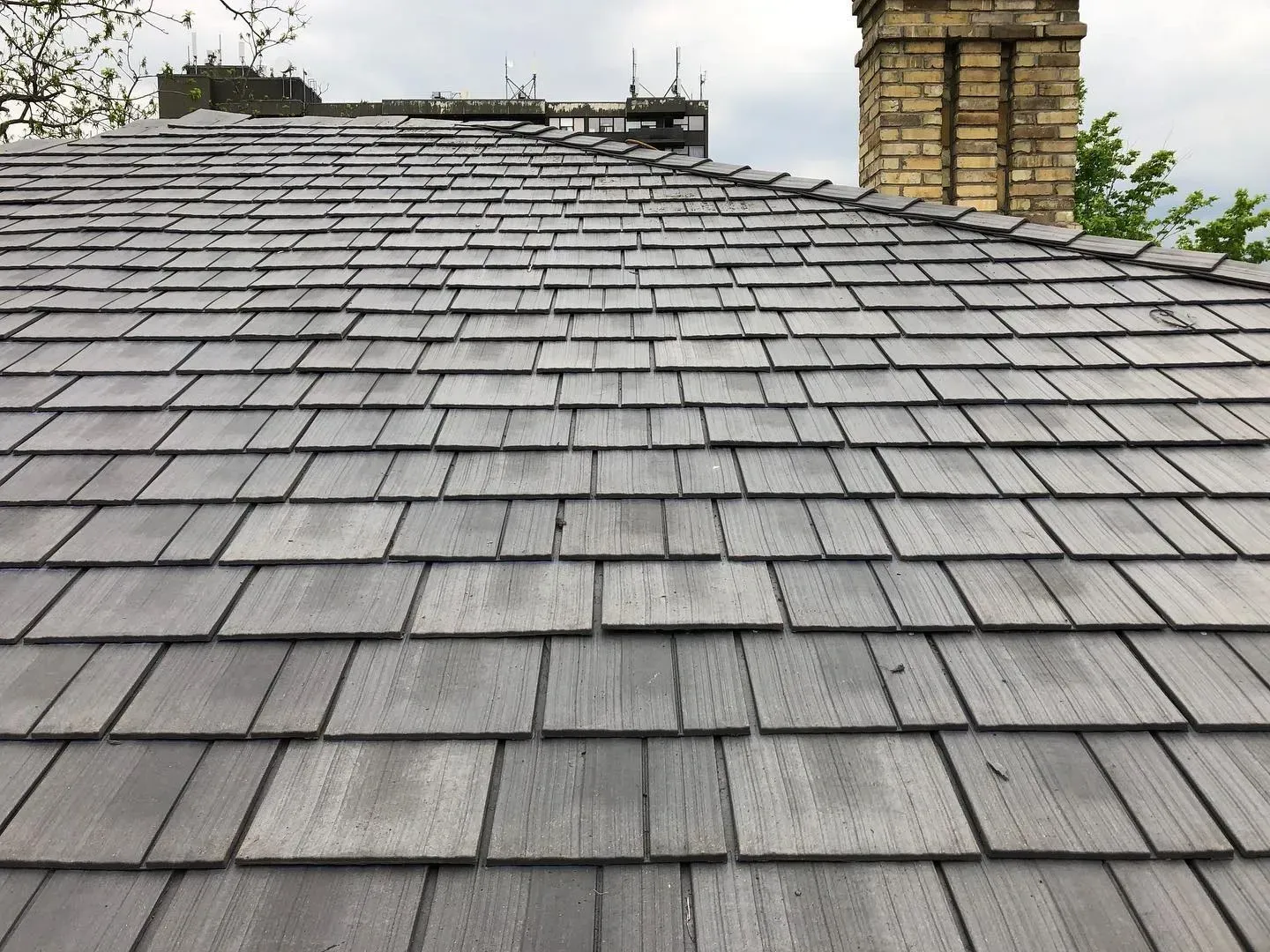
Selecting roofing materials based solely on aesthetics or cost often leads to disappointment in Vancouver's challenging climate. A material performing exceptionally in Arizona's dry heat may fail prematurely in our persistent dampness. The "best" roofing isn't universal but climate-specific, requiring honest assessment of how different products handle 1,189mm annual rainfall, continuous moisture exposure, aggressive moss growth, and occasional windstorms.
Property owners throughout Metro Vancouver face critical decisions balancing initial cost against long-term value. Asphalt shingles at $10,000-24,000 provide an accessible entry point but require replacement every 20-25 years. Metal roofing costs $24,000-40,000 upfront but lasts 50-70 years with minimal maintenance. Cedar shake delivers authentic West Coast aesthetics but demands $500-1,500 annual treatments to survive our wet conditions.
This comprehensive materials guide explains how major roofing products perform in coastal climates, realistic lifespan expectations specific to Vancouver, maintenance requirements, costs, and helps determine which material suits your property type, budget, and ownership timeline.
Choosing the Right Roofing Material for Vancouver's Climate
How Vancouver's Climate Affects Roofing Materials
Understanding our specific weather challenges explains why material performance differs dramatically from dry-climate installations.
Heavy Rain & Prolonged Moisture Exposure
Water absorption differences: Organic materials (cedar, some composites) absorb moisture, swelling and contracting with wet-dry cycles. This dimensional movement stresses fasteners and causes warping. Non-porous materials (metal, EPDM rubber, quality synthetics) shed water instantly without absorption, maintaining dimensional stability.
Seal and fastener degradation: Constant moisture accelerates adhesive breakdown in asphalt products and corrodes inadequate fasteners. Vancouver installations require corrosion-resistant fasteners (stainless steel, copper) rather than galvanized steel acceptable in dry climates. Adhesive seal strips on shingles degrade faster here, reducing wind resistance after 15-20 years versus 25-30 years in arid regions.
Underlayment performance: Vancouver demands a synthetic underlayment lasting 30-40 years. Traditional felt paper degrades in 10-15 years from constant dampness, creating secondary waterproofing failure even when surface materials remain intact.
Moss, Algae & Organic Growth
Material vulnerability spectrum:
- Most resistant: Metal, EPDM rubber, TPO (smooth non-porous surfaces)
- Moderate resistance: Quality synthetic slate, stone-coated steel (textured but non-organic)
- High vulnerability: Asphalt shingles, cedar shake, natural slate (porous or granular surfaces supporting biological colonization)
Properties in shaded neighborhoods (Dunbar, Kerrisdale, forested West Vancouver, areas near Pacific Spirit Park) see moss establishment within 1-3 years on vulnerable materials. North-facing roof slopes receive limited solar exposure, remaining damp longer and supporting aggressive growth.
Impact on lifespan: Untreated moss reduces asphalt shingle lifespan by 30-40%, cedar shake by 40-50%. Annual treatments cost $300-800 but extend service life significantly, making the investment economical compared to premature replacement.
Wind-Driven Rain & Seasonal Storms
Edge and flashing performance: Wind-driven rain during November through February storms tests material edges and penetration flashings. Lightweight products (3-tab shingles) rated for 60-70 mph winds experience blow-offs during stronger events. Premium architectural shingles (110-130 mph ratings) and metal roofing (140+ mph) handle Vancouver's occasional 80-90 km/h gusts with a substantial safety margin.
Installation quality amplification: Our climate magnifies installation deficiencies. Improperly placed fasteners, inadequate flashing, or rushed work, acceptable in dry regions causes rapid failure here. Quality installation becomes non-negotiable for achieving the expected lifespan.
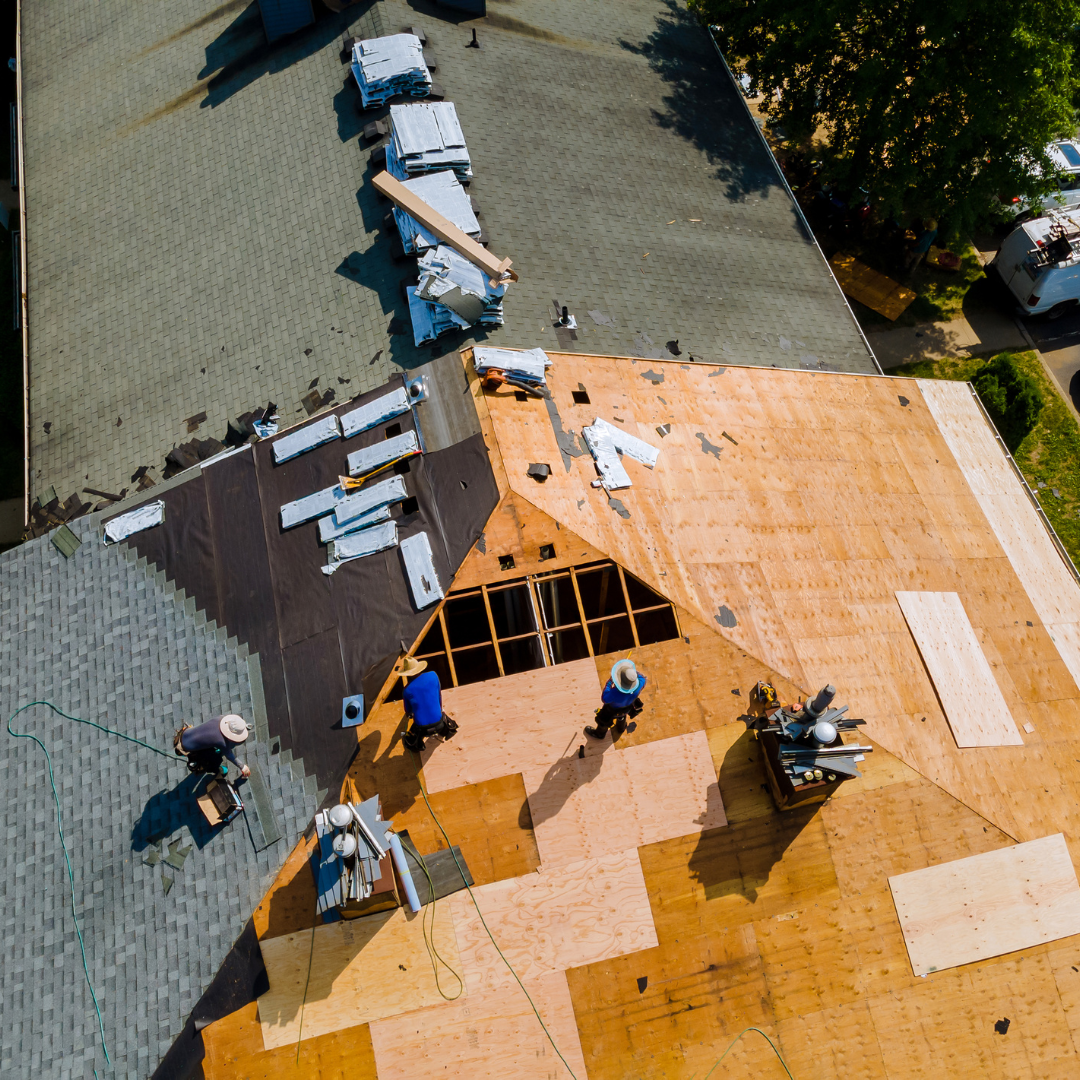
How to Compare Roofing Materials for Vancouver Homes & Buildings
Systematic evaluation prevents costly mismatches between materials and applications.
Lifespan in Wet Coastal Climates
Realistic Vancouver expectations (with proper maintenance):
- Metal roofing: 50-70 years
- Natural slate: 75-100+ years
- Synthetic slate: 40-50 years
- Stone-coated steel: 40-60 years
- Architectural asphalt: 20-30 years
- 3-tab asphalt: 12-18 years
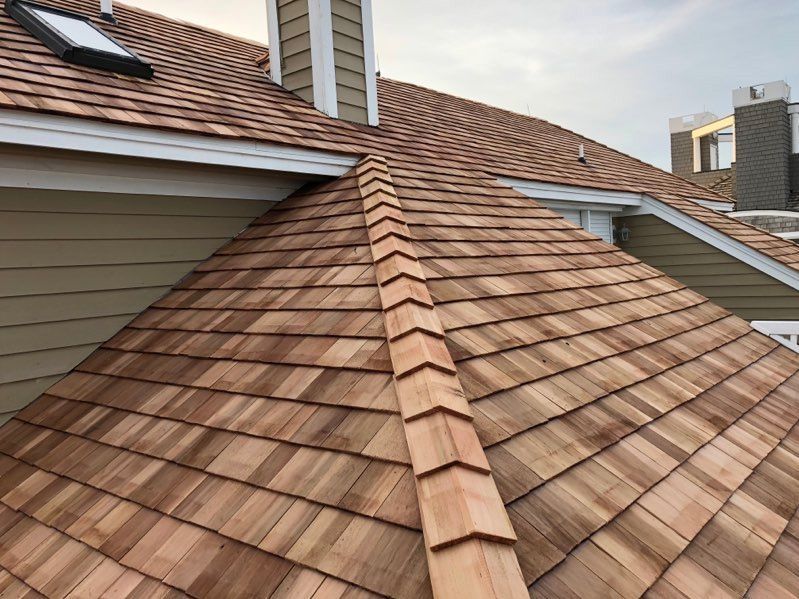
- Cedar shake: 20-30 years (with aggressive maintenance)
- EPDM rubber: 20-30 years
- TPO: 20-30 years
- Torch-on: 20-30 years
Manufacturer claims often exceed real-world Vancouver performance by 20-40% due to climate differences from testing locations.
Maintenance Requirements
Low maintenance (annual inspections sufficient):
- Metal roofing
- EPDM rubber
- TPO
- Synthetic slate
- Stone-coated steel
Moderate maintenance (periodic treatments needed):
- Architectural asphalt (moss treatment on shaded roofs)
- Torch-on systems (seam inspections)
- Natural slate (underlayment replacement every 40-50 years)
High maintenance (regular intensive care required):
- Cedar shake (annual treatments, biannual inspections, frequent repairs)
- 3-tab asphalt (annual moss treatment, prompt repair of blow-offs)
Installation Complexity & Quality Sensitivity
Forgiving (standard roofing skills adequate):
- Asphalt shingles
- Basic metal panels
Moderate complexity (experienced contractors required):
- EPDM rubber
- TPO
- Standing seam metal
- Synthetic slate
High complexity (specialized expertise essential):
- Natural slate
- Cedar shake
- Clay tile
- Torch-on systems
Vancouver's climate punishes installation errors. Materials requiring specialized skills justify premium labor costs through proper execution, preventing premature failure.
Cost vs Long-Term Value
Initial cost per 2,000 sq ft roof (2026 Vancouver):
- 3-tab asphalt: $9,000-16,000
- Architectural asphalt: $11,000-19,000
- Cedar shake: $34,000-52,000
- Metal (standing seam): $24,000-40,000
- Synthetic slate: $26,000-42,000
- Stone-coated steel: $34,000-50,000
- Natural slate: $40,000-100,000+
- EPDM rubber (flat): $16,000-26,000
- TPO (flat): $18,000-30,000
Lifecycle cost over 50 years:
- Metal: $30,000 (one installation)
- Architectural asphalt: $44,000-57,000 (two replacements)
- 3-tab asphalt: $45,000-64,000 (three replacements)
- Cedar shake: $85,000-130,000 (two replacements + maintenance)
Premium materials often deliver lower total cost through extended lifespan despite higher initial investment.
Asphalt Shingle Roofing in Vancouver
The most common residential choice is balancing affordability with adequate performance.
Pros of Asphalt Shingles
✓ Lowest upfront cost ($9,000-19,000)
✓ Wide contractor availability
✓ Easy repairs (individual shingles can be replaced simply)
✓ Extensive color and style options
✓ Fast installation (2-4 days typical)
Cons in Vancouver's Climate
✗ Shorter lifespan (12-30 years, depending on quality)
✗ Moss vulnerability requires annual treatment on shaded roofs
✗ Granule loss from constant moisture
✗ Wind damage risk on cheaper products
✗ Frequent replacement generates landfill waste
Best Use Cases
- Budget-conscious homeowners
- Short-term ownership (under 10 years)
- Standardresidential applications
- Properties with good solar exposure
Detailed guidance:
Asphalt Shingles Guide
Metal Roofing in Vancouver
Premium choice delivering exceptional longevity with minimal maintenance.
Pros of Metal Roofing
✓ Excellent rain shedding (instant water runoff)
✓ 50-70 year lifespan
✓ Minimal maintenance (no moss treatment needed)
✓ High wind resistance (140+ mph ratings)
✓ Energy efficient with reflective coatings
✓ Fully recyclable material
Cons of Metal Roofing
✗ Higher upfront cost ($24,000-40,000)
✗ Noise concerns if improperly installed
(resolved with proper underlayment)
✗ Condensation management requires proper ventilation
✗ Denting potential from hail or falling branches
Best Use Cases
- Long-term homeowners (20+ years)
- Waterfront or high-wind exposure properties
- Low-maintenance priorities
- Commercial and industrial buildings
- Contemporary architectural styles
Detailed guidance:
Metal Roofing Guide
Cedar Shake Roofing in Vancouver
Authentic West Coast aesthetics with significant maintenance demands.
Pros of Cedar Shake Roofs
✓ Natural beauty matching heritage architecture
✓ Excellent insulation properties
✓ Biodegradable and renewable material
✓ Enhances property value in character neighborhoods
Cons in Wet Climates
✗ High maintenance ($500-1,500 annually)
✗ Moss sensitivity accelerates deterioration
✗ A 20-30 year lifespan requires aggressive care
✗ Fire rating concerns without treatment
✗ Shortened lifespan in shaded locations (12-18 years)
Best Use Cases
- Character and heritage homes
- Owners are committed to ongoing maintenance
- Properties with excellent solar exposure
- Aesthetic-driven projects where appearance justifies cost
Detailed guidance:
Cedar Shake Guide
Flat & Low-Slope Roofing Materials for Vancouver Buildings
Commercial, strata, and contemporary residential flat roofs require different materials than pitched applications.
Torch-On (SBS Modified Bitumen)
Most common Vancouver flat roofing: Heat-welded seams create a waterproof barrier. Multi-layer installation provides redundancy.
Lifespan: 20-30 years with proper maintenance
Cost: $8-14/sq ft installed
Pros: Proven performance, repairable, good for complex roof shapes
Cons: Installation requires open flame (permit restrictions in dense areas), heavier than single-ply membranes
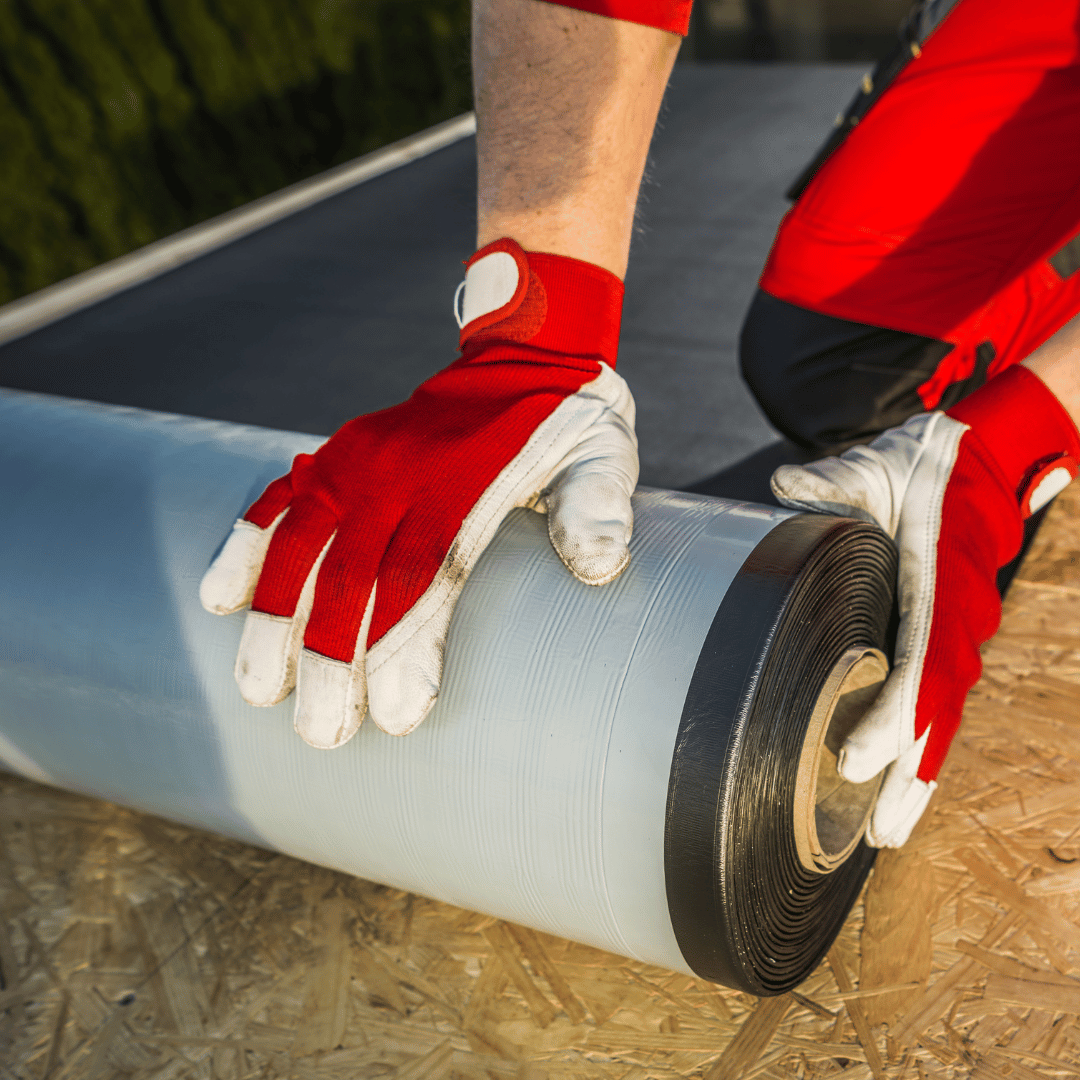
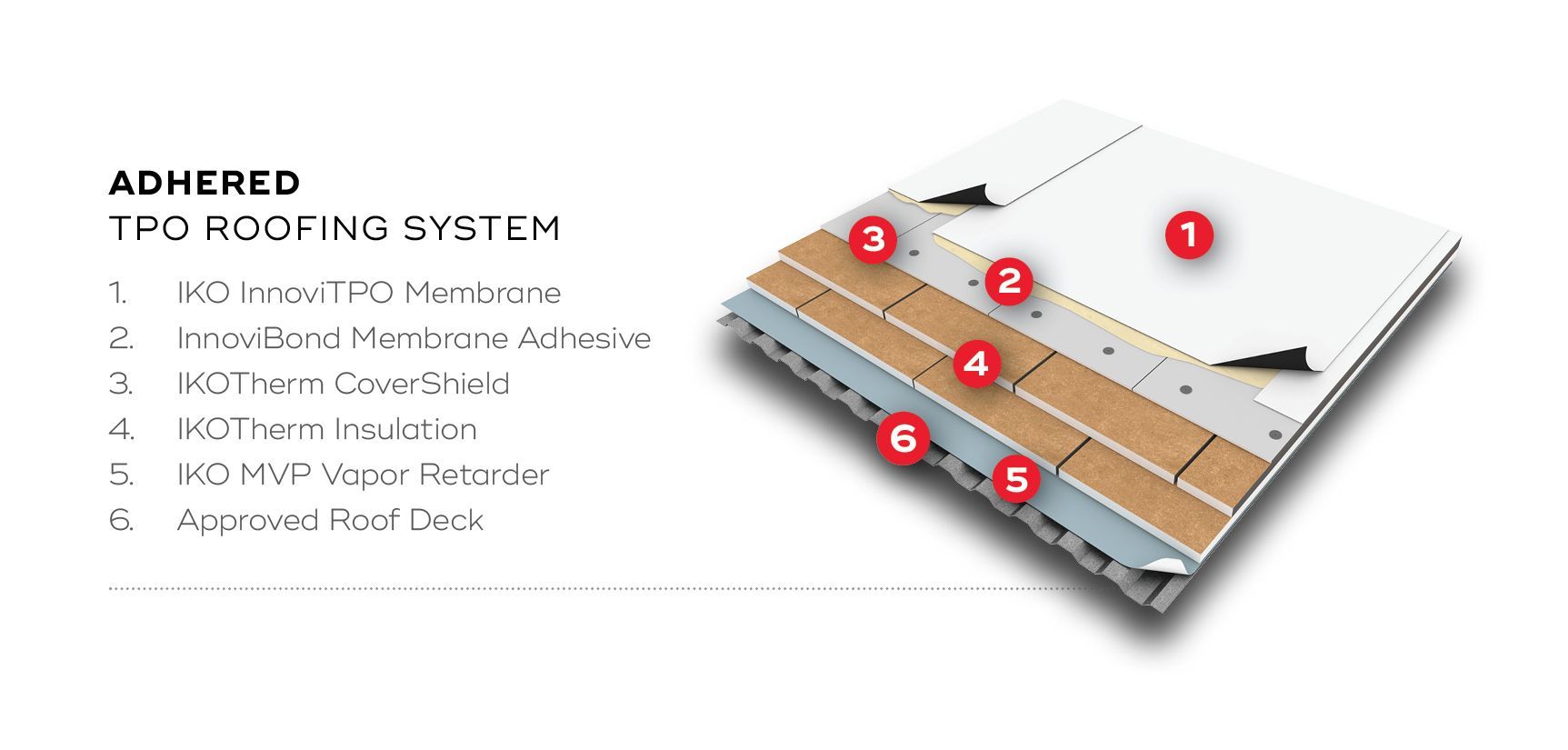
TPO Roofing
White reflective membrane: Heat-welded seams, energy-efficient cool roof option.
Lifespan: 20-30 years
Cost: $7-12/sq ft installed
Pros: Reflective surface reduces cooling costs, strong seam strength, lighter weight
Cons: Shorter proven track record than EPDM (25 years vs 60 years), requires skilled installations
EPDM / Rubber Roofing
Black synthetic rubber: Single-ply membrane with tape or adhesive seams.
Lifespan: 20-30 years
Cost: $6-12/sq ft installed
Pros: 60+ year proven history, easy repairs, flexible in cold weather, no open flame installation
Cons: Black surface absorbs more heat than white TPO, seams less robust than heat-welded systems
Detailed guidance:
Rubber Roofing Guide
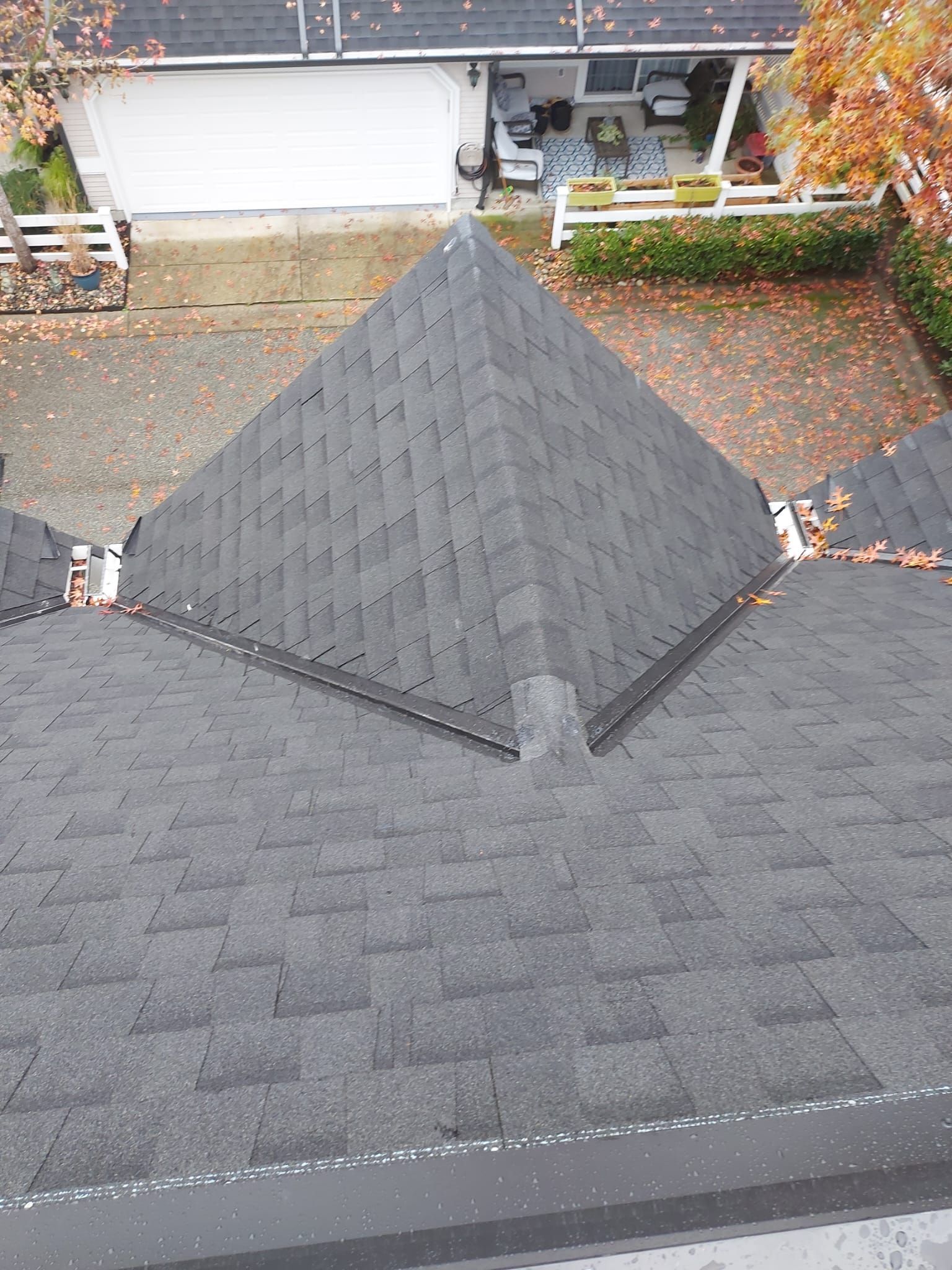
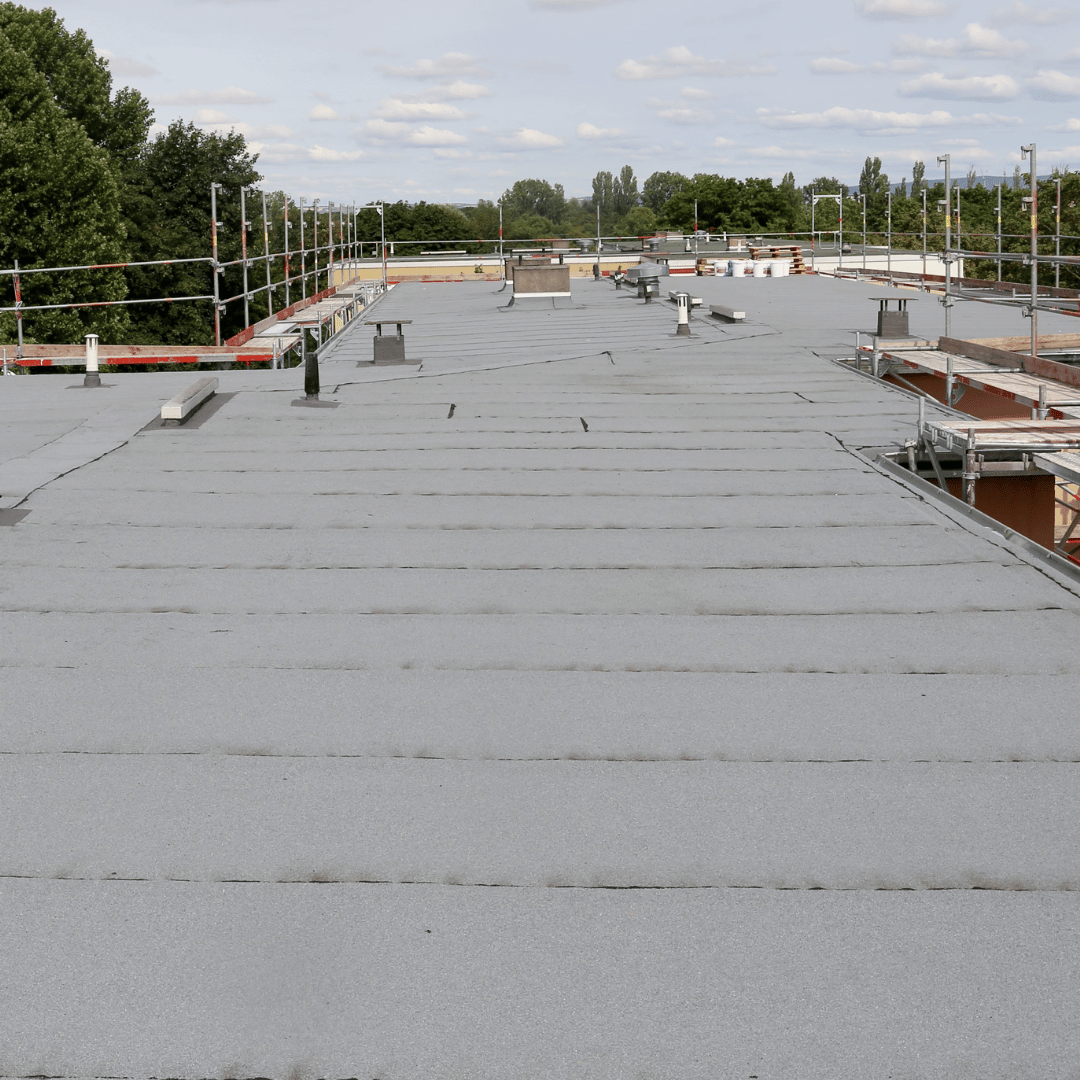
Built-Up Roofing (BUR)
Traditional multi-layer system: Alternating layers of tar paper and hot asphalt topped with gravel.
Lifespan: 15-25 years
Cost: $8-15/sq ft installed
Pros: Multiple redundant layers, gravel provides impact protection
Cons: Heavy (4-6 lbs/sq ft), hot tar fumes, largely replaced by modern single-ply systems
Applications: Commercial and strata buildings throughout Vancouver.
Synthetic & Composite Roofing Materials in Vancouver
Engineered products replicating traditional aesthetics without organic material limitations.
Synthetic Slate
Polymer-based slate replicas: Lightweight alternative to 800-1,600 lb/sq natural slate.
Lifespan: 40-50 years
Cost: $13-21/sq ft installed ($26,000-42,000 for 2,000 sq ft)
Weight: 150-250 lbs/sq (no structural reinforcement needed)
Pros: Natural slate appearance, uniformly non-porous (no moisture absorption variations), lighter weight eliminates structural concerns, recyclable content (often 80-95%)
Cons: Higher cost than asphalt, not identical to natural slate on close inspection, shorter lifespan than authentic slate (40-50 vs 75-100+ years)
Best for heritage homes requiring slate aesthetics without structural capacity for natural stone.
Detailed guidance:
Synthetic Slate Guide
Composite Roofing
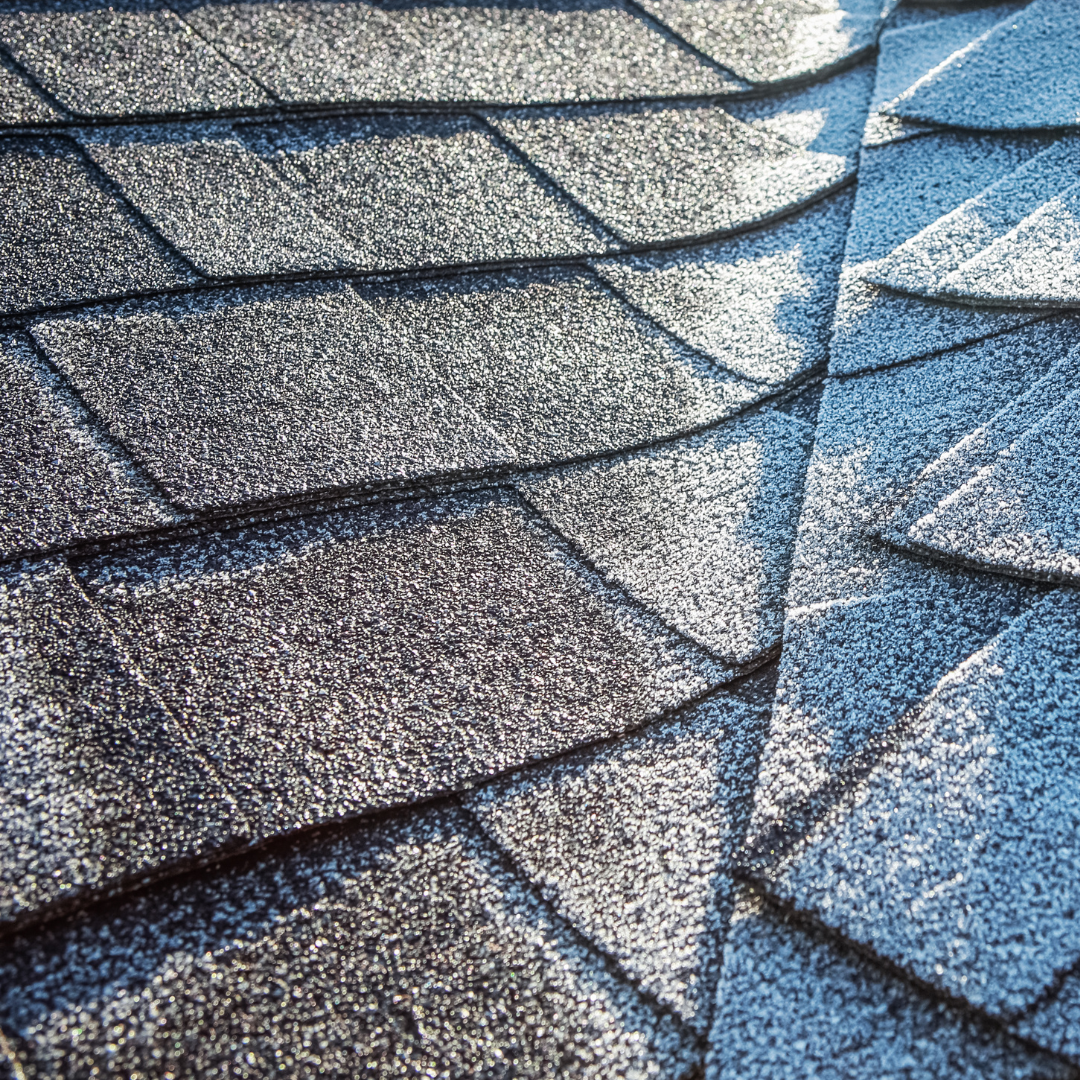
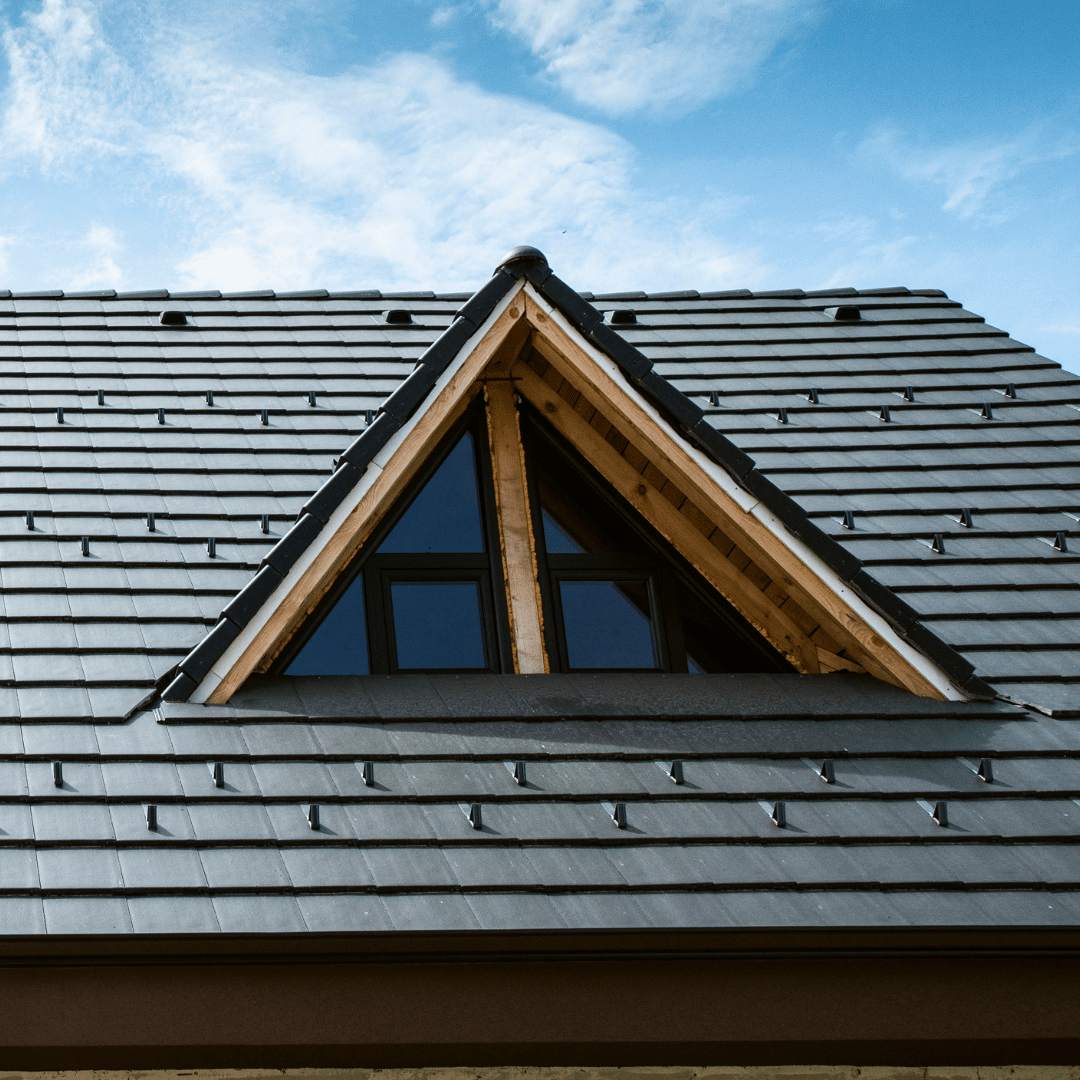
Recycled material blends: Combinations of plastics, rubber, and wood fiber create durable shingles or shakes.
Lifespan: 30-50 years
Cost: $8-15/sq ft installed
Pros: Lower maintenance than organic materials, moisture resistant, impact resistant, recycled content
Cons: Appearance less authentic than premium synthetics, quality varies significantly between manufacturers
Detailed guidance: Composite Roofing Guide
Stone-Coated Steel & Tile Roofing in Vancouver
Premium materials balance durability with traditional aesthetics.
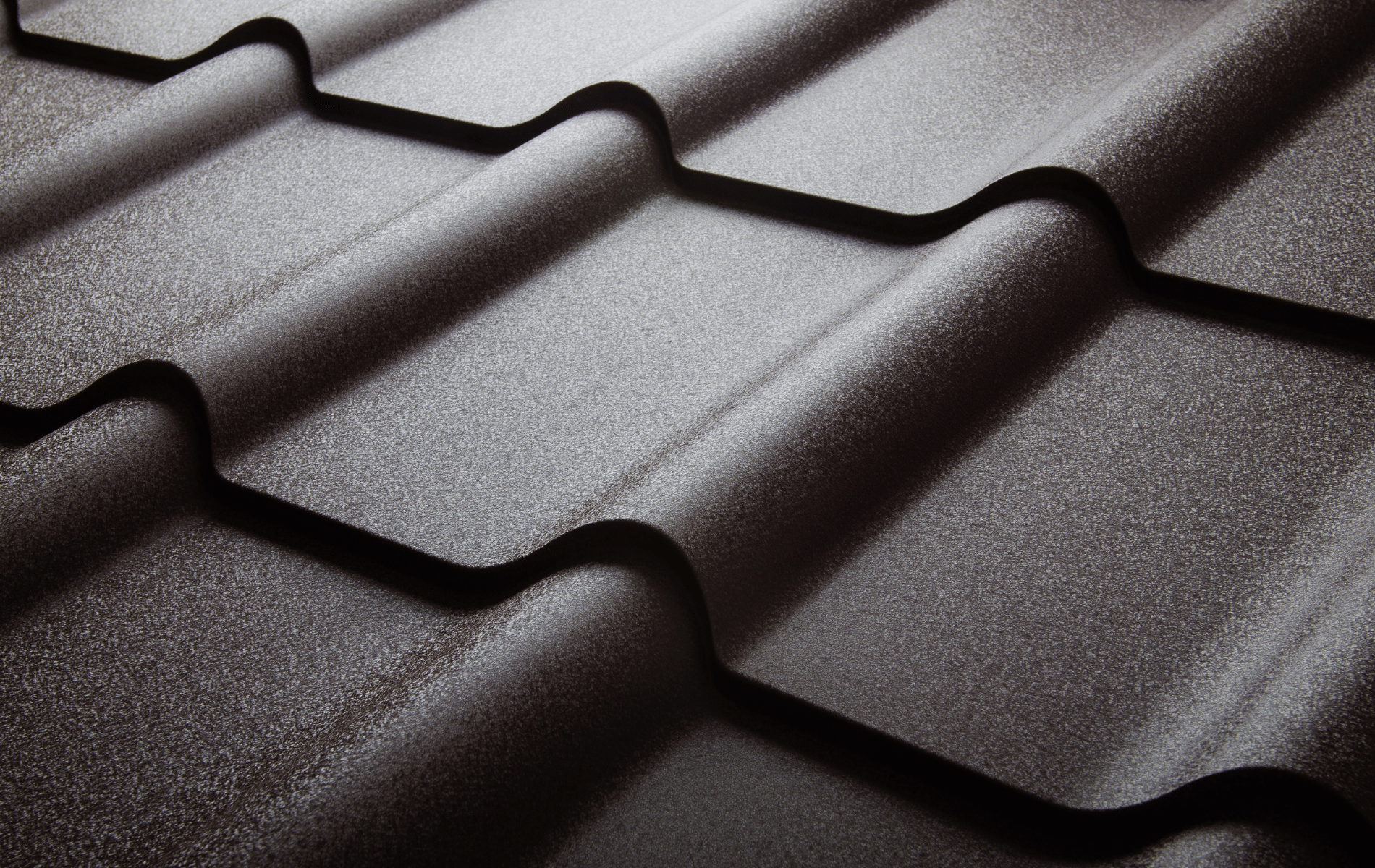
Stone-Coated Steel Roofing
Steel panels with stone granule coating: Metal durability with shake/tile appearance.
Lifespan: 40-60 years
Cost: $17-25/sq ft installed ($34,000-50,000 for 2,000 sq ft)
Weight: 50-150 lbs/sq (lighter than asphalt)
Pros: Metal durability, traditional appearance, noise dampening from stone coating, lightweight
Cons: Higher cost than basic metal, granule loss over decades similar to asphalt
Ideal for properties wanting metal performance with residential-friendly aesthetics.
Detailed guidance: Stone-Coated Steel Guide
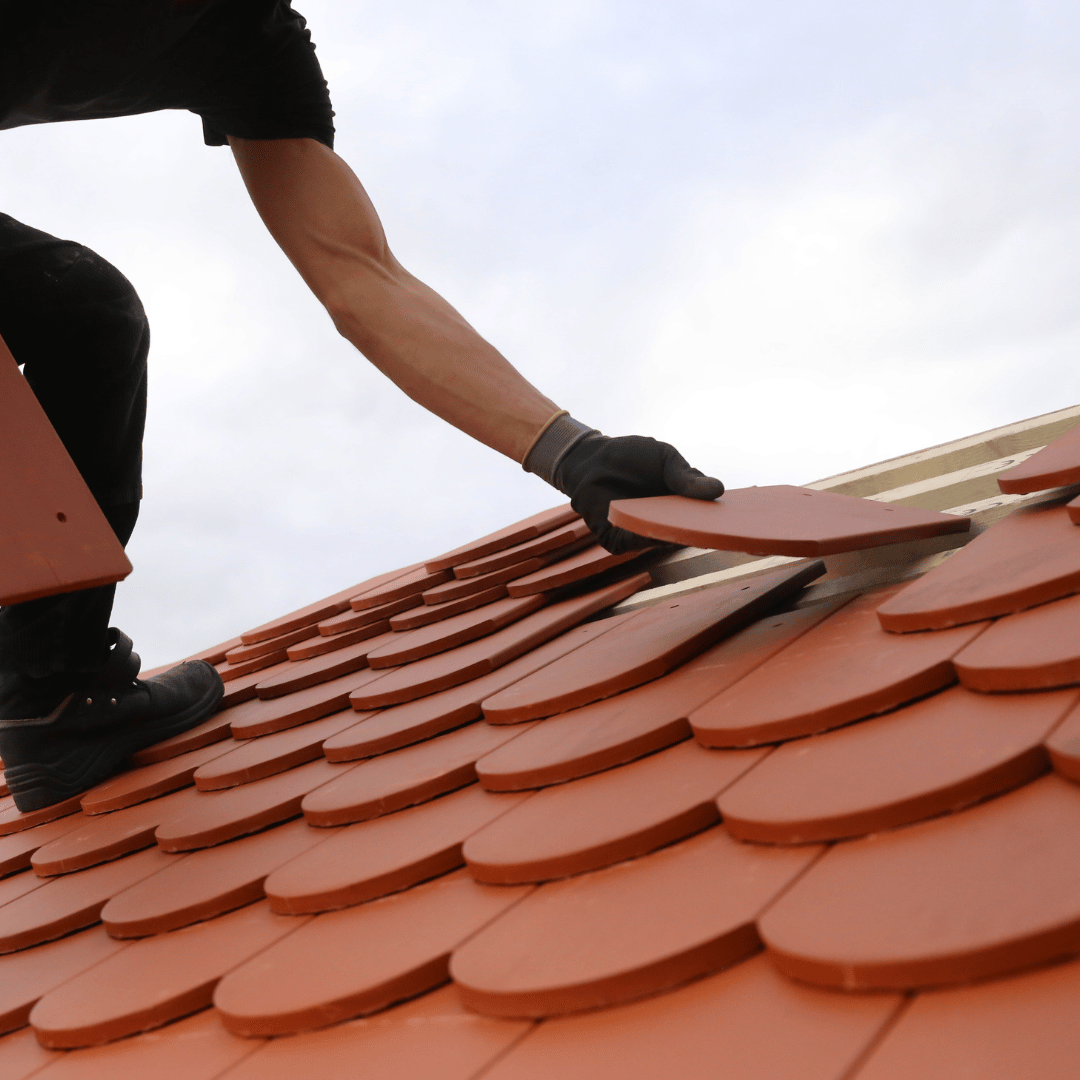
Clay & Concrete Tile Roofing
Heavy premium materials: 850-1,400 lbs/sq requiring structural evaluation.
Lifespan: Clay 75-100+ years, Concrete 50-75 years
Cost: $21-36/sq ft installed plus potential structural reinforcement ($5,000-25,000)
Pros: Extremely long lifespan, fire resistant, timeless appearance
Cons: Heavy weight requires engineering assessment, high cost, brittle (walking damage risk), seismic concerns in BC
Best for luxury homes with adequate structure or Mediterranean architectural styles.
Detailed guidance:
Clay Tile Guide
Natural Slate Roofing in Vancouver
Ultimate premium material with a century-long lifespan and substantial requirements.
Pros of Natural Slate
✓ 100-150+ year lifespan (longest of any material)
✓ Non-porous stone resists moisture perfectly
✓ Timeless elegance elevates property value
✓ Fire resistant (Class A rating)
✓ Environmentally permanent (one installation per building lifetime)
Cons in Vancouver
✗ Extremely heavy (800-1,500 lbs/sq) requiring structural reinforcement
✗ Very high cost ($40,000-100,000+ for typical homes)
✗ Brittle (cracks under foot traffic)
✗ Specialized installation requiring rare expertise
✗ Seismic load concerns in the earthquake zone
Best Use Cases
- Heritage properties requiring authentic materials
- Luxury homes with budgets exceeding $100,000 for roofing
- Properties with verified structural capacity
- Generational ownership plans (50-100+ years)
Detailed guidance:
Natural Slate Guide
Best Roofing Materials by Building Type in Vancouver
Property type significantly influences appropriate material selection.
Residential Homes
Most common choices:
- Architectural asphalt ($11,000-19,000) - Best value for 15-30 year ownership
- Metal roofing ($24,000-40,000) - Premium choice for long-term owners
- Cedar shake ($34,000-52,000) - Character homes with maintenance commitment
- Synthetic slate ($26,000-42,000) - Heritage aesthetics without slate weight
Avoid: 3-tab shingles for long-term ownership, natural slate without structural verification
Commercial Buildings
Flat roof priorities:
- TPO ($7-12/sq ft) - Energy efficiency, proven performance
- Torch-on ($8-14/sq ft) - Vancouver standard, repairable
- EPDM ($6-12/sq ft) - Economical, flexible
Pitched roof options:
- Metal roofing - Long lifespan minimizes business disruption
- Architectural asphalt - Standard commercial choice balancing cost and performance
Strata Buildings
Low-rise residential (pitched roofs):
- Architectural asphalt or metal for 25-50 year replacement cycles
- Avoid high-maintenance cedar shake (difficult to budget for ongoing treatments)
Mid/high-rise (flat roofs):
- TPO or torch-on for large surface areas
- Professional maintenance programs critical for maximizing lifespan
Roofing Material Maintenance Requirements
Maintenance directly affects whether materials reach their expected lifespan.
Low-Maintenance Options
Annual inspection sufficient:
- Metal roofing (check fasteners, flashing)
- TPO (inspect seams, drainage)
- EPDM (check seams, penetrations)
- Synthetic slate (debris removal)
Maintenance costs: $200-400 annually for professional inspections
High-Maintenance Options
Regular intensive care required:
- Cedar shake: $500-1,500 annually (treatments, inspections, repairs)
- 3-tab asphalt: $300-800 annually (moss treatment, frequent repairs)
Lifecycle impact: Deferred maintenance shortens lifespan 30-50%, converting economical materials into expensive, frequent replacements.
Roofing Material Costs in Vancouver (What to Expect)
Understanding complete project costs helps with realistic budgeting and material comparison.
Factors That Affect Material Costs
Material type and grade: Within each category, significant quality variations exist. Basic 3-tab asphalt costs $60-100 per square, material only. Premium architectural products cost $150-250 per square. Metal ranges from $300 (basic ribbed panels) to $800+ (standing seam copper) per square material.
Roof complexity: Simple gable roofs with few penetrations install efficiently. Complex geometries with multiple valleys, dormers, skylights, and varying pitches increase material waste (10-20% vs 5-10% on simple roofs) and labor time substantially. Steep pitches above 8:12 require additional safety equipment and premium labor rates.
Installation requirements: Materials requiring specialized skills command higher labor rates. Natural slate installation costs $10-20/sq ft labor alone versus $2-4/sq ft for basic asphalt. The expertise premium reflects installation complexity and limited qualified contractors.
Removal and disposal: Vancouver disposal fees plus labor for tear-off add $1-3/sq ft. Properties with multiple existing layers, asbestos shingles (pre-1990 homes), or structural deck repairs requiring replacement increase costs significantly.
Access and logistics: Dense urban properties with limited access, high-rise buildings, or difficult site conditions add rigging costs, crane rentals, and extended labor time. A roof accessible from ground level costs 15-30% less than challenging urban installations.
Comprehensive Cost Comparison Table
Complete installed costs for 2,000 sq ft roof (Vancouver 2026):
| Material | Low End | High End | Lifespan | Cost / Year |
|---|---|---|---|---|
| 3-tab asphalt | $9,000 | $16,000 | 12–18 years | $625–1,100 |
| Architectural asphalt | $11,000 | $19,000 | 20–30 years | $367–950 |
| Cedar shake | $34,000 | $52,000 | 20–30 years | $1,133–2,600* |
| Metal (standing seam) | $24,000 | $40,000 | 50–70 years | $343–800 |
| Synthetic slate | $26,000 | $42,000 | 40–50 years | $520–1,050 |
| Stone-coated steel | $34,000 | $50,000 | 40–60 years | $567–1,250 |
| Natural slate | $40,000 | $100,000+ | 75–150 years | $267–1,333 |
| EPDM rubber (flat) | $12,000 | $24,000 | 20–30 years | $400–1,200 |
| TPO (flat) | $14,000 | $24,000 | 20–30 years | $467–1,200 |
| Torch-on (flat) | $16,000 | $28,000 | 20–30 years | $533–1,400 |
*Cedar costs include an estimated $500-1,500 annual maintenance over the lifespan
Analysis: Metal and natural slate deliver the lowest annual cost despite high initial investment. Architectural asphalt provides the best balance of affordability and reasonable lifespan for 15-25 year ownership. 3-tab shingles appear economical initially, but become expensive through frequent replacement.
Avoiding these errors prevents expensive regrets.
Choosing materials based on looks alone: Authentic cedar shake appeals aesthetically but fails rapidly without a $15,000-45,000 maintenance investment over 30 years. Synthetic alternatives deliver a similar appearance without moisture vulnerability.
Ignoring maintenance requirements: Cedar or asphalt purchased assuming maintenance-free performance experiences premature failure. Honest assessment of maintenance tolerance guides appropriate selection.
Using non-climate-appropriate systems: Materials succeeding in dry climates fail here. Desert-climate advice recommending 3-tab shingles or untreated cedar doesn't translate to Vancouver conditions.
Prioritizing the cheapest option: 3-tab shingles, saving $5,000 upfront, cost $10,000-20,000 more over 30 years through additional replacement. Architectural shingles or metal deliver better lifecycle value.
Overlooking structural capacity: Installing tile or natural slate without engineering verification risks structural failure, code violations, and insurance coverage issues.
How to Choose the Right Roofing Material for Your Vancouver Property
Comprehensive decision framework with specific scenarios:
Budget-Driven Decision Tree
$10,000-15,000 budget:
- Primary option: Architectural asphalt shingles
- Alternative: 3-tab if ownership is under 7 years
- Avoid: All premium materials out of range
$15,000-25,000 budget:
- Best value: Quality architectural asphalt or entry-level metal
- Consider: Synthetic slate for heritage aesthetics
- Evaluate: Total cost vs lifespan for metal upgrade
$25,000-40,000 budget:
- Optimal: Standing seam metal for long-term value
- Alternative: Premium stone-coated steel
- Consider: Cedar shake if committed to maintenance
$40,000-75,000 budget:
- Premium options: Natural slate (if structure allows), copper metal
- Luxury choice: Hand-split cedar with comprehensive maintenance program
- Investment grade: Top-tier metal systems with 70+ year lifespan
Ownership Timeline Scenarios
3-7 years (short-term):
- Best: 3-tab or basic architectural asphalt
- Why: Minimize investment in property you'll sell soon
- Avoid: Premium materials whose value you won't realize
- Cost: $9,000-16,000
8-15 years (medium-term):
- Best: Architectural asphalt shingles
- Why: Full lifespan value without over-investing
- Alternative: Entry-level metal if planning extended ownership
- Cost: $11,000-24,000
15-30 years (long-term):
- Best: Metal roofing or quality synthetics
- Why: Avoid one replacement cycle through a longer lifespan
- Second choice: Premium architectural asphalt
- Cost: $18,000-40,000
30+ years or generational (lifetime):
- Best: Metal, natural slate, or premium synthetics
- Why: Minimize lifetime replacements and total cost
- Investment: $24,000-100,000 (one-time or rare replacement)
Property Type-Specific Recommendations
Single-family detached homes:
- Standard: Architectural asphalt (80% of market)
- Premium: Metal or synthetic slate
- Character/heritage: Cedar shake with maintenance plan
- Modern contemporary: Standing seam metal
Townhouses and duplexes:
- Strata-owned: Architectural asphalt or metal for low hassle
- Individual ownership: Match neighbors or architectural asphalt
- Budget constraints: 3-tab acceptable for rentals
Low-rise strata (3-4 stories):
- Pitched roofs: Architectural asphalt for a 25-30 year cycle
- Flat roofs: TPO or torch-on systems
- Budget planning: Avoid cedar (unpredictable maintenance costs)
Commercial buildings:
- Flat roofs: TPO primary choice, torch-on proven alternative
- Pitched roofs: Metal for minimal business disruption
- High-traffic: Impact-resistant materials for rooftop equipment
Climate Exposure Analysis
Heavy shade (north-facing, mature trees):
- Best: Metal roofing (no moss concerns)
- Acceptable: Architectural asphalt with an annual treatment budget
- Avoid: Cedar shake, 3-tab asphalt (rapid deterioration)
Full sun exposure (south/west-facing, clear sky):
- All materials perform well
- Consider: Cool roofing options for energy efficiency
- Advantage: Extended lifespan for all products
Waterfront or high wind:
- Best: Metal or stone-coated steel (superior wind ratings)
- Material choice: Aluminum or quality coated steel (salt resistance)
- Avoid: Lightweight 3-tab shingles (blow-off risk)
Urban heat island (dense areas):
- Consider: Cool roofing (white TPO, reflective metal)
- Benefit: Reduced cooling costs, improved comfort
- Options: Any material with a cool coating available
Maintenance Tolerance Assessment
Hands-off owners (minimal maintenance desired):
- Ideal: Metal, TPO, EPDM
- Acceptable: Architectural asphalt in sunny locations
- Avoid: Cedar shake, 3-tab asphalt
Active maintainers (willing to perform regular care):
- All materials appropriate
- Cedar shake viable with a $500-1,500 annual budget
- Benefit: Can choose based on aesthetics vs limitations
Professional management (strata/commercial):
- Best: TPO, metal (predictable lifecycle)
- Budget-friendly: Architectural asphalt with maintenance contract
- Avoid: Cedar shake (difficult to budget treatments)
Aesthetic Priority Evaluation
Appearance paramount (heritage, character homes):
- Authentic: Natural slate, cedar shake
- Convincing replicas: Synthetic slate, stone-coated steel
- Accept maintenance: Cedar shake demands justify aesthetics
Appearance secondary (function priority):
- Best value: Architectural asphalt, metal
- Focus: Lifespan and cost-effectiveness
- Skip: Premium materials whose value is primarily aesthetic
Modern/contemporary design:
- Ideal: Standing seam metal (clean lines)
- Alternative: Flat profile architectural asphalt
- Color: Dark grey, black, or custom options
Vancouver Roofing Materials Guide — FAQs
What roofing material lasts the longest in Vancouver’s wet climate?
For most homes, standing seam metal is one of the longest-lasting practical options (often 50–70 years with minimal maintenance). Natural slate can last longer (75–100+ years) but requires structural verification and specialized installation.
What’s the best “value” roofing material for typical Vancouver homes?
For many detached homes, quality architectural asphalt shingles offer the best balance of upfront cost + durability, typically 20–30 years with proper installation and moss management (especially on shaded slopes).
Which roofing materials resist moss best?
Generally, metal roofing, TPO, and EPDM resist moss best because they’re non-porous and smoother than granular or organic surfaces. Asphalt and cedar tend to show moss sooner, especially in shaded neighborhoods and on north-facing slopes.
Is cedar shake a good choice in Vancouver?
It can be if you’re committed to maintenance. Cedar delivers classic West Coast aesthetics, but in Vancouver it typically requires regular treatments and inspections to avoid accelerated deterioration. Without consistent upkeep, lifespan can drop significantly in damp/shaded conditions.
What roofing materials work best for flat or low-slope roofs?
Common options in Vancouver include:
- Torch-on (SBS modified bitumen) (proven local standard)
- TPO (reflective, heat-welded seams)
- EPDM (durable rubber membrane)
The “best” choice depends on building use, drainage design, rooftop traffic, and long-term planning.
Is metal roofing noisy in the rain?
Not when installed correctly. With proper underlayment, fastening methods, and attic/roof assembly design, metal roofs are typically no louder than other systems inside the home.
How do I choose the right material for my property and timeline?
Start with three factors:
- Climate exposure (shade, moss, wind, waterfront/salt air)
- Ownership timeline (short-term vs long-term)
- Maintenance tolerance (hands-off vs willing to treat/inspect) A contractor assessment can confirm roof complexity, ventilation, and structural capacity so the material matches the building—not just the budget.
Next Steps for Choosing Roofing Materials in Vancouver
Ready to make an informed decision?
- Assess your priorities - Budget, lifespan, maintenance, aesthetics
- Evaluate property specifics - Shading, exposure, structural capacity
- Get multiple professional opinions - Experienced contractors provide material recommendations
- Request detailed proposals - Compare specific products, not just categories
- Verify contractor credentials - Licensing, insurance, manufacturer certifications
Working with Paragon Roofing BC
Paragon Roofing BC provides honest guidance on roofing material selection throughout Metro Vancouver. We help property owners understand how different materials perform in our specific climate and which options deliver the best value for their situation.
Our services:
Choosing roofing materials for Vancouver's wet coastal climate requires balancing cost, lifespan, maintenance, and performance. Understanding how different products handle persistent moisture, aggressive biological growth, and seasonal weather guides decisions delivering lasting value rather than expensive regrets.
Pricing shown in this guide is for general information only and may change.
Roofing costs in Vancouver vary based on roof size, pitch, complexity, material grade, access, tear-off requirements, disposal fees, structural repairs, and current material/labour availability. Any ranges listed are estimates, not fixed quotes. Final pricing is confirmed only after an on-site inspection and a written scope of work.
Here's What Our Existing Clients Think.
Home and business owners we've served across the greater Vancouver area.
Our Google Reviews
Edit Google Reviews Widget
We look forward to helping you.
For all your roofing needs, contact Paragon Roofing BC — call, text, or email us at 604-358-3436
Paragon Res Roof Install #2
We will get back to you as soon as possible.
Please try again later.